
The Meaning of Wearing Rings on Different Fingers
May 25,2024 | Juyoyo
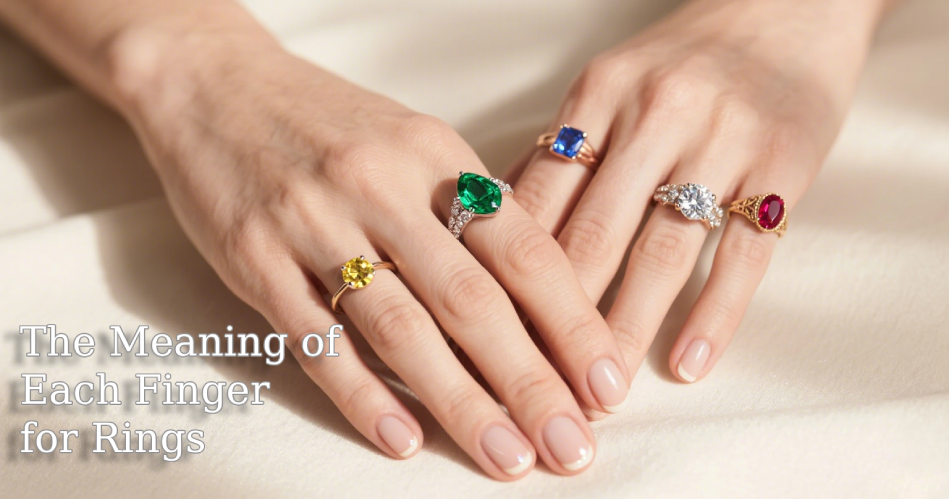
As we all know, rings can have many meanings, such as marriage, love, wealth, and status. Do you know what it means to wear a ring on different fingers? Whether you're following tradition or expressing your individuality, wearing a ring the right way can help you showcase your unique style and personal charm.
This article will take you through the meaning of wearing rings on different fingers. It will cover historical culture and modern fashion. The article will help you find the most suitable way to wear rings for yourself.
Thumb
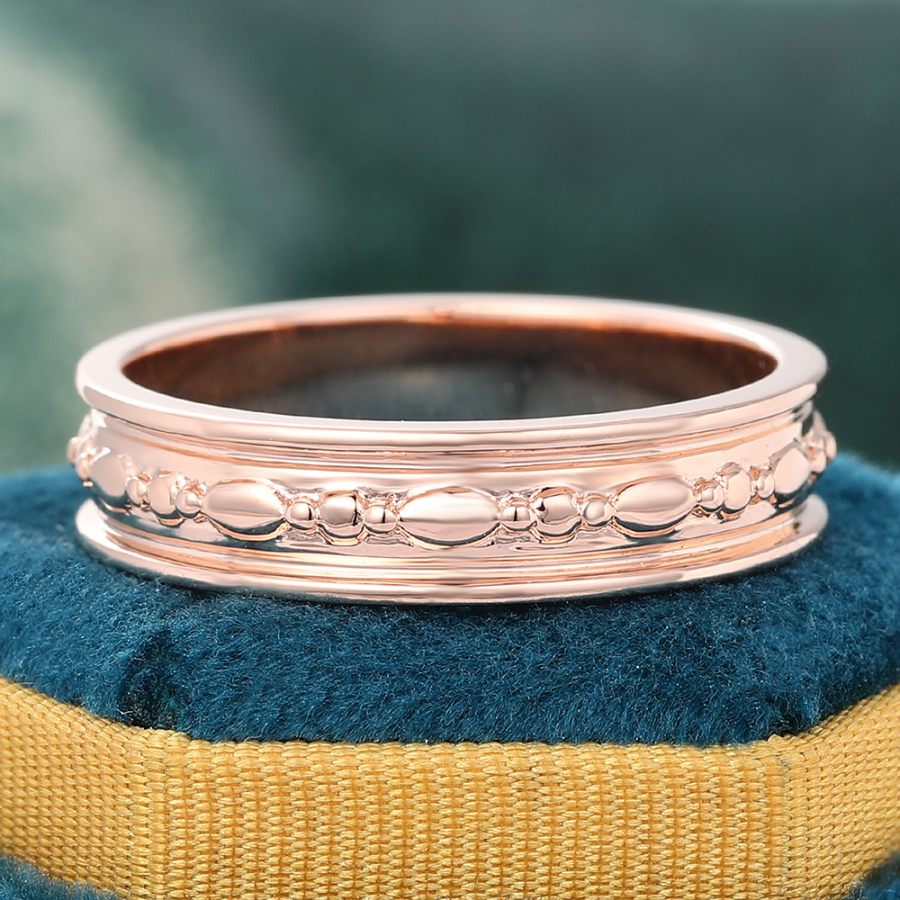
In ancient Eastern cultures, emperors typically wore rings on their thumbs to symbolize power and status. At the same time, archers wore thumb rings to protect their fingers, which is why they are also called "archer's rings."
Today, wearing a thumb ring tends to showcase one's unique style and confidence. A wide band or an eye-catching design can immediately attract attention to your thumb ring and highlight your unconventional fashion attitude.
Pairing suggestion: Thumb rings are best worn alone, and styles with a sense of weight and design work particularly well.
 |
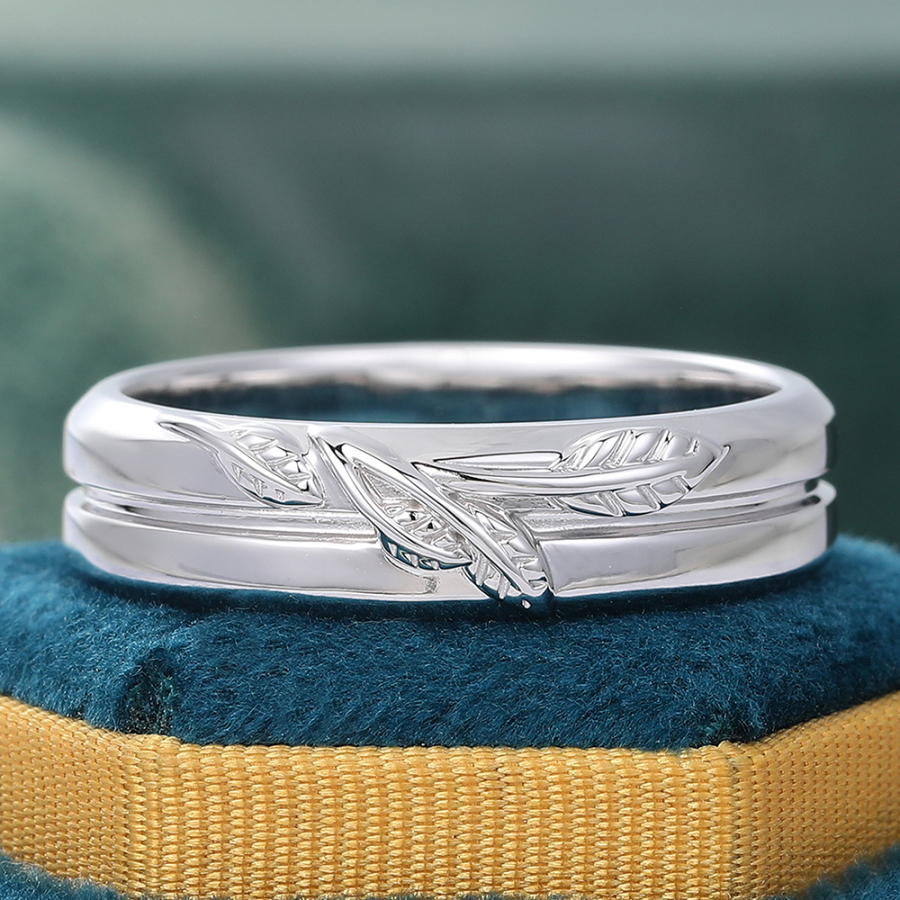 |
| 2mm Engrave Wedding Band Wide Stacking Gold Ring | Silver Leaf Engraved Wedding Band for Women/Men Thick Vintage Stacking Ring |
Index Finger
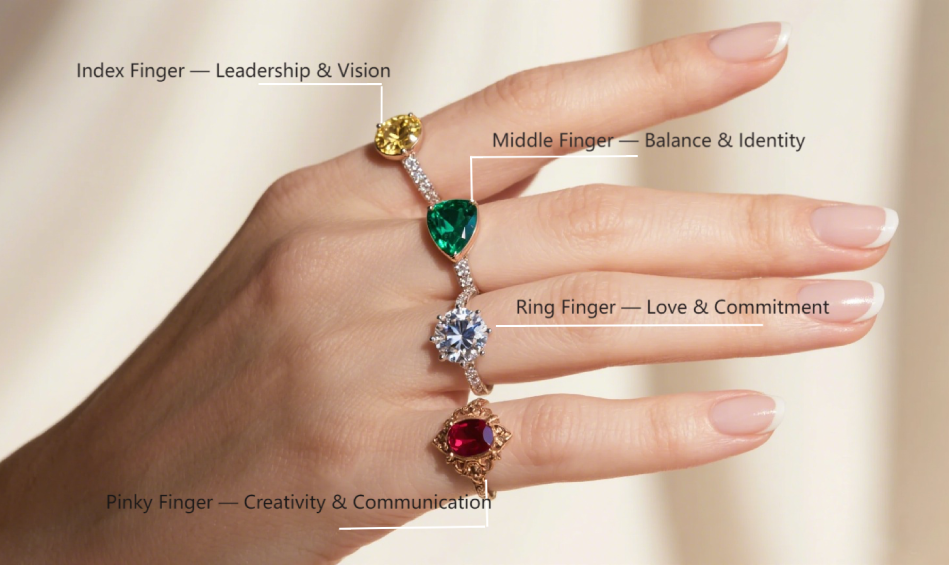
Historically, the index finger, also known as the "pointer" finger, was reserved for the most important rings of kings, queens, and high-ranking officials. Since it was used for pointing and giving commands, a ring on this finger naturally symbolizes authority, leadership, and ambition.
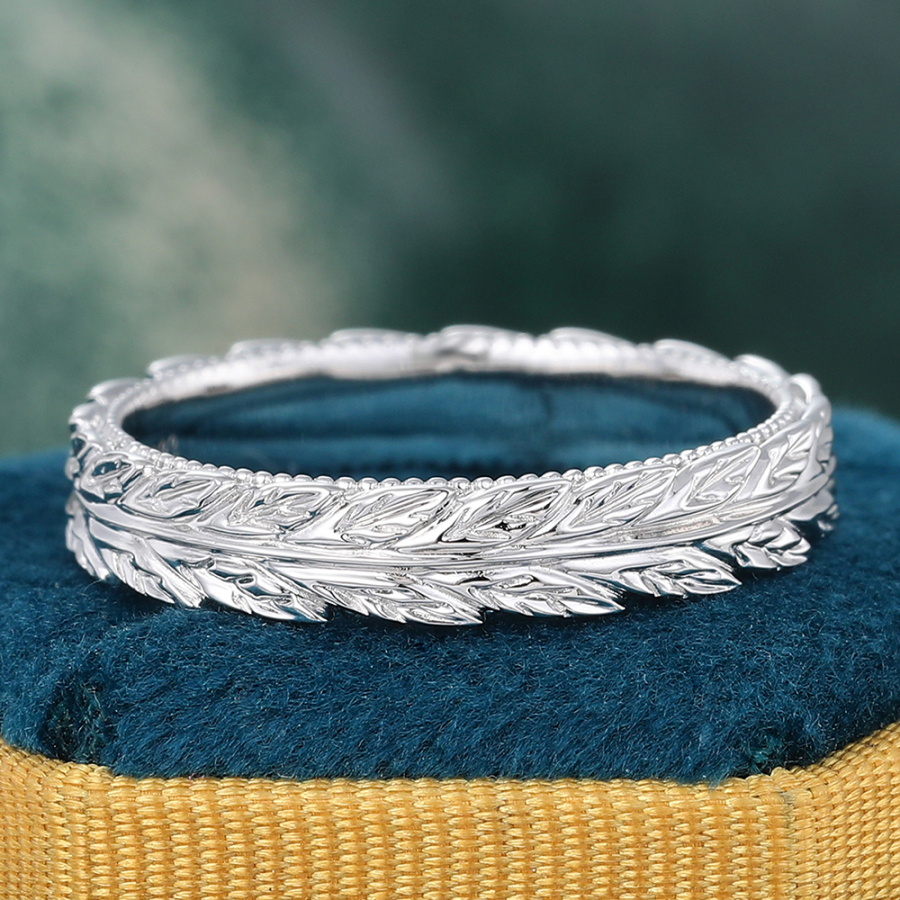
Today, wearing a ring on the index finger is very popular, and many people use it as a fashion accessory rather than to express a specific status. This finger is an ideal place to showcase large, exaggerated rings and highlight your fashion taste.
Pairing suggestion: The index finger is perfect for displaying artistic and well-designed rings, especially those with three-dimensional styles and unique materials.
 |
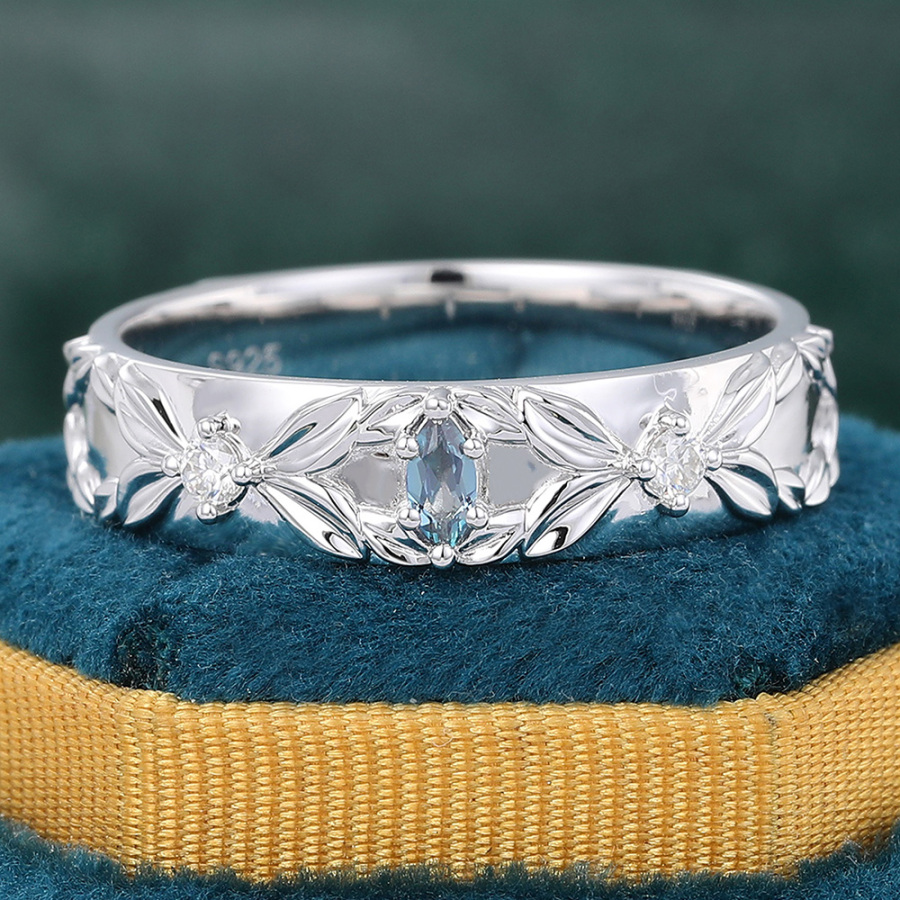 |
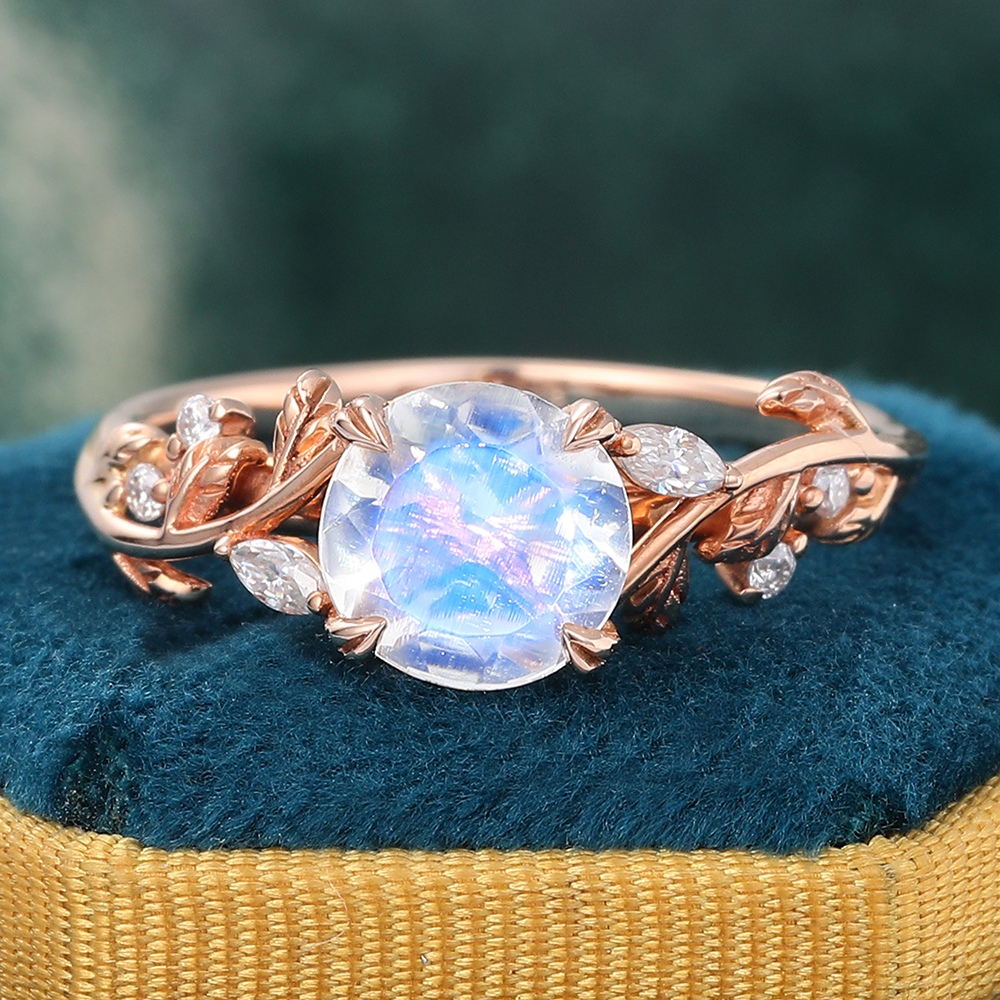
| 3.5mm Leaf Engrave Wedding Band Plain Gold Ring | Verdure Alexandrite and Moissanite Wedding Band S925 Leaf Nature Inspired Stacking Ring |
Middle Finger
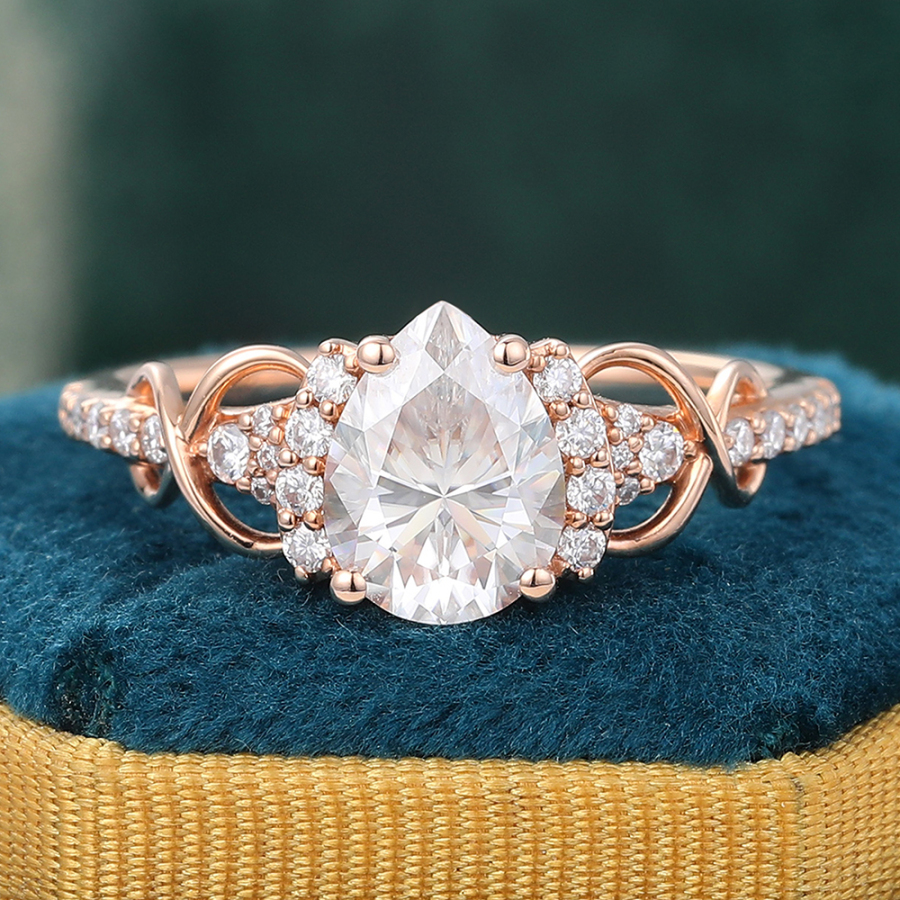
If a person wears a ring on their middle finger, it usually indicates that they are engaged or in a stable romantic relationship. Wearing a ring on the left middle finger symbolizes balance and responsibility, and it is the traditional position for an engagement ring.
Located in the center of the hand, the middle finger gives a sense of balance, making it a suitable place for rings that symbolize responsibility and commitment. Many people also choose to wear their favorite rings here as an everyday accessory, even if they are not engaged.
Pairing suggestion: The middle finger is ideal for rings with significant meaning, such as engagement or commemorative self-reward rings.
 |
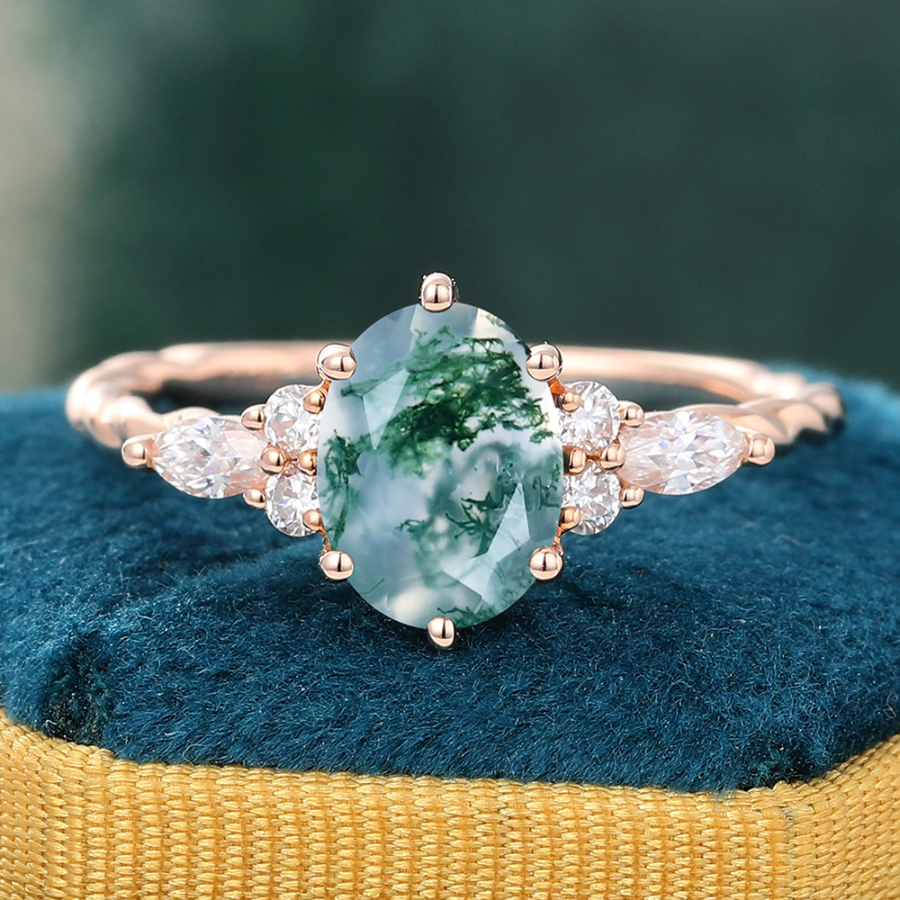 |
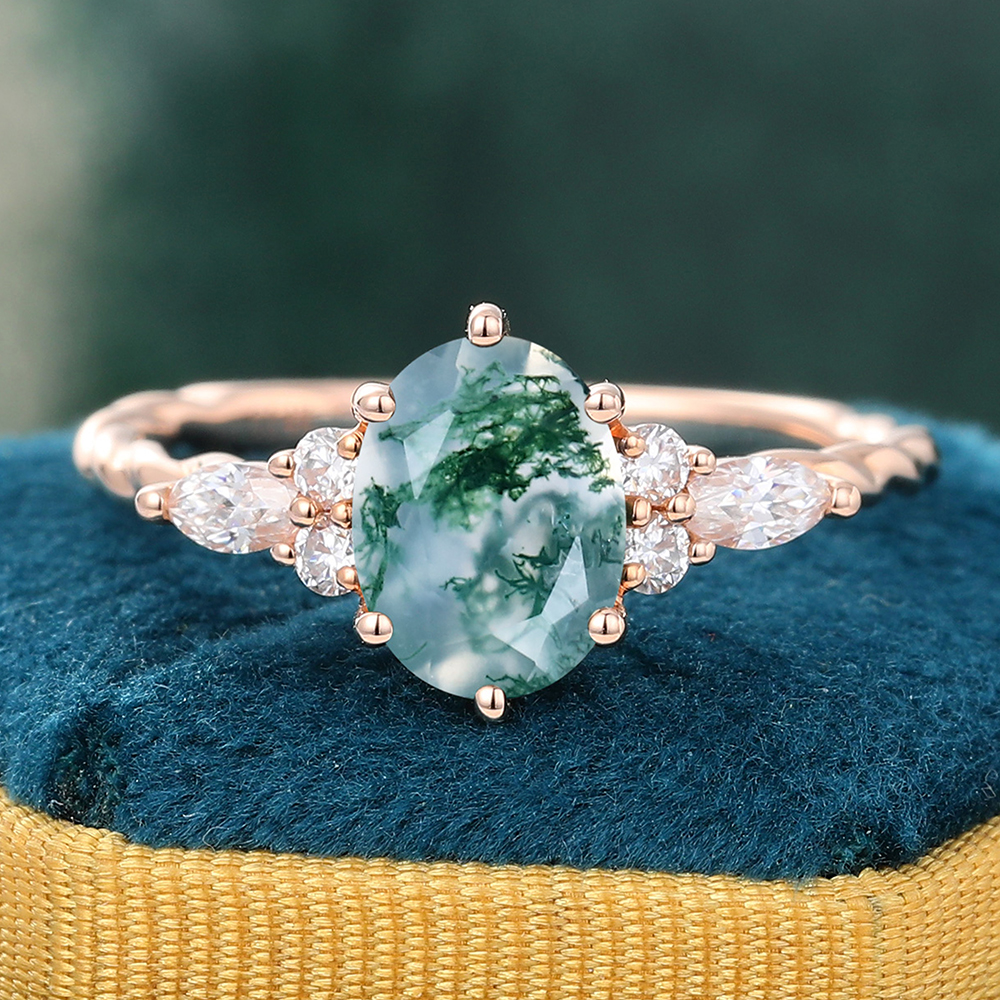
| Pear Cut Moissanite Engagement Ring Rose Gold | Oval Cut Moss Agate Twisted Engagement Ring with Moissanite Accents in Rose Gold |
Ring Finger
This finger has the most well-known symbolism and is deeply connected to love, romance, and commitment in many cultures. Traditionally, it is associated with love and marriage, and wedding rings are typically worn on this finger. According to legend, there is a vein in this finger that leads directly to the heart, keeping love close to the soul.
In most cultures, wearing a ring on the ring finger clearly indicates marital status. This is also why many people avoid wearing rings on this finger unless they are married.
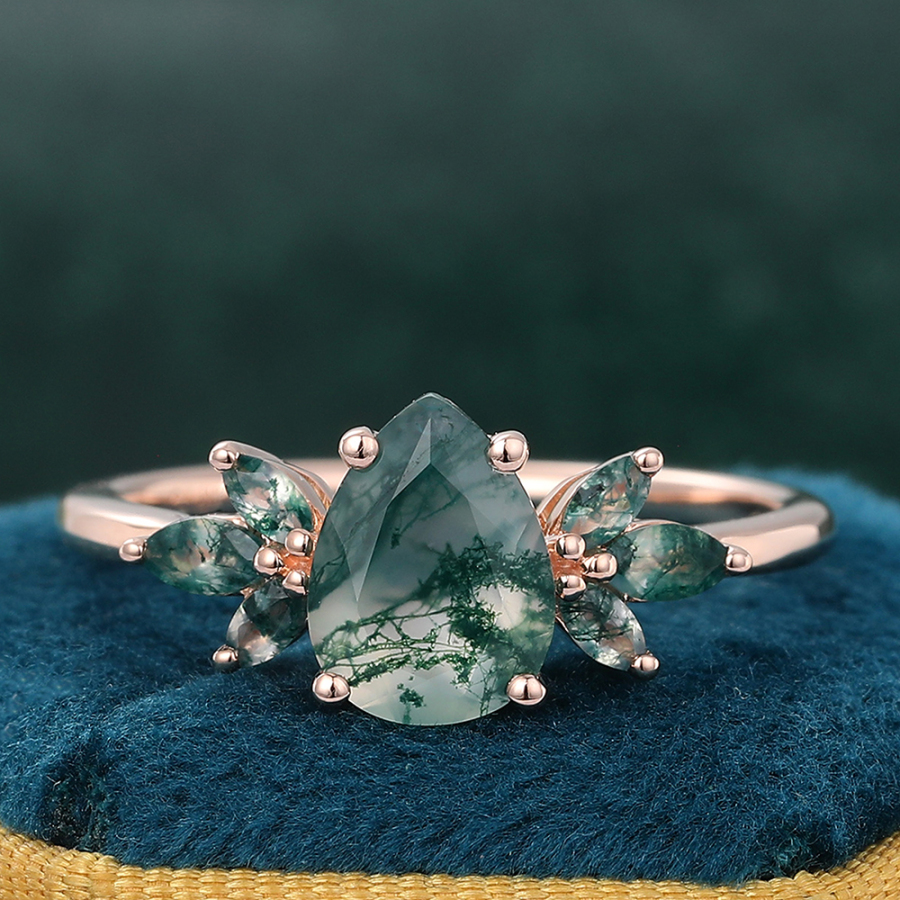
Pairing suggestion: Keep the ring simple and elegant. Traditional metal bands or designs set with a few gems are most appropriate.
 |
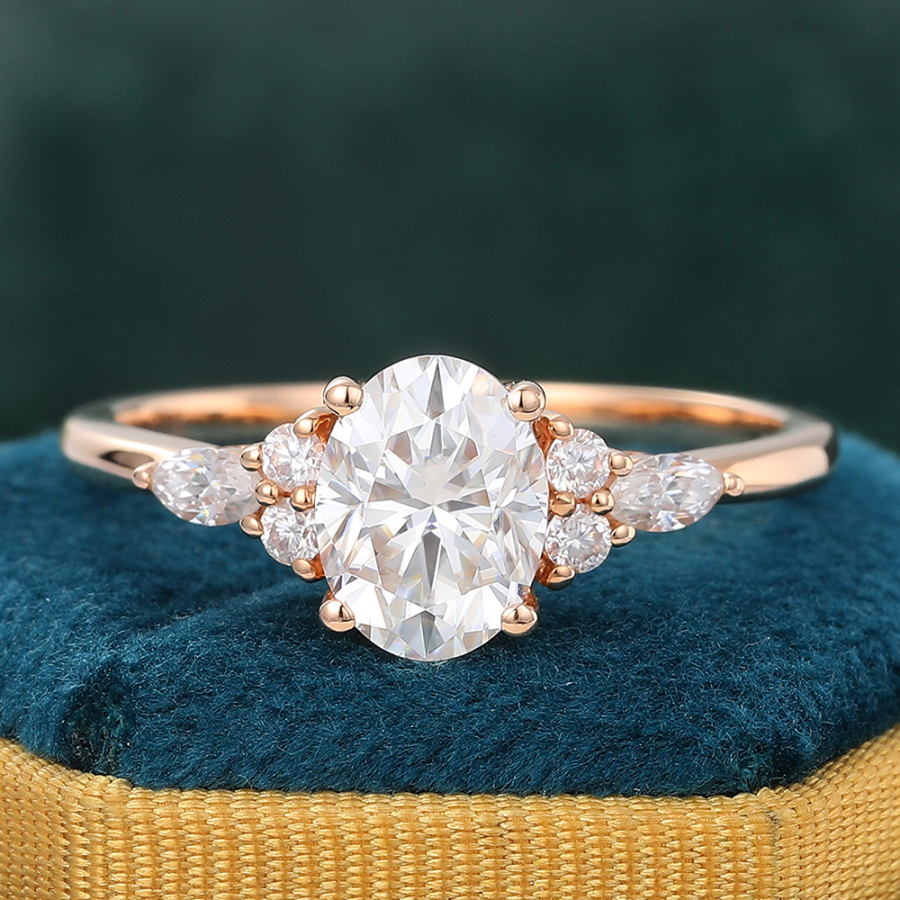 |
| Natural Inspired Pear Moss Agate Engagement Ring | 6x8mm Oval Moissanite Engagement Ring with Diamond Accents |
Pinky Finger
Anatomically, the pinky finger is more independent and flexible than the other fingers. For this reason, it represents communication and artistic talent. Wearing a ring on the little finger suggests excellent social skills and a refined personality. In some cultures, wearing a ring on this finger indicates that one is not married or in a relationship.
A ring on the little finger is an understated yet elegant statement often associated with creativity and communication skills. It is an ideal place to display signet rings or small, delicate rings.
Pairing suggestion: The little finger is ideal for delicate, refined rings, such as signet rings with personal meaning or stacked combinations that are fashionable.
 |
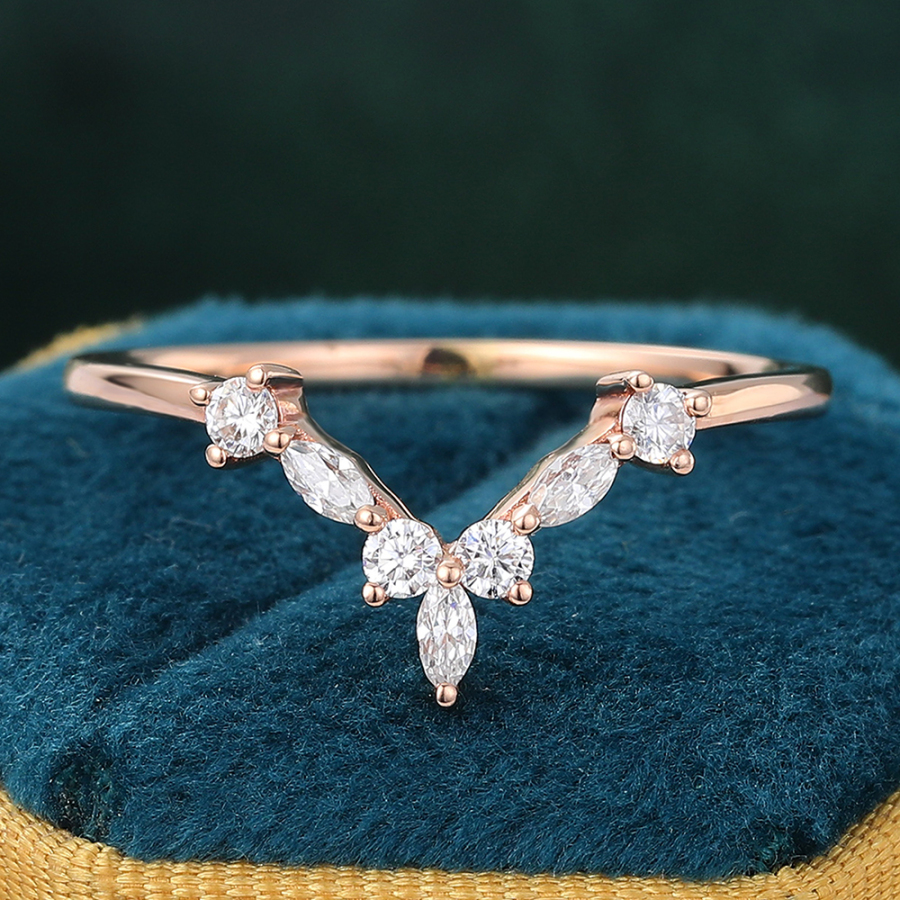 |
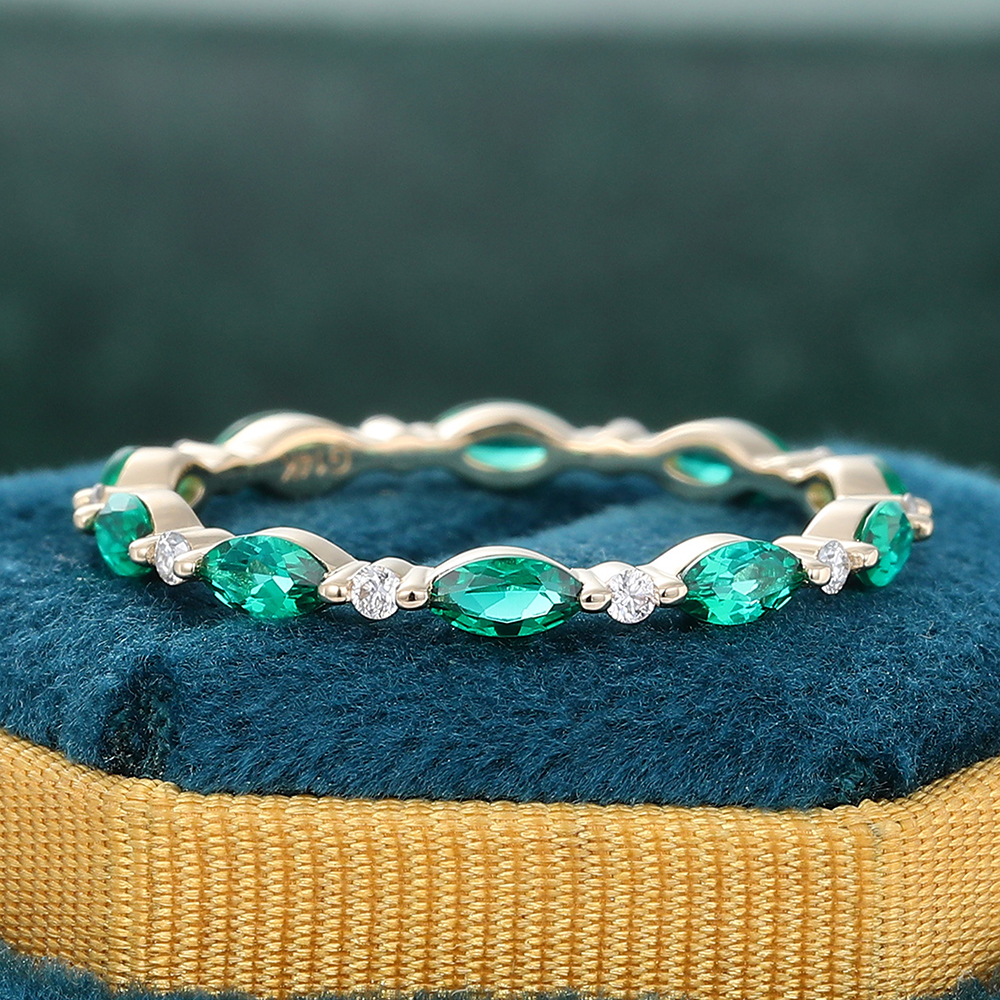
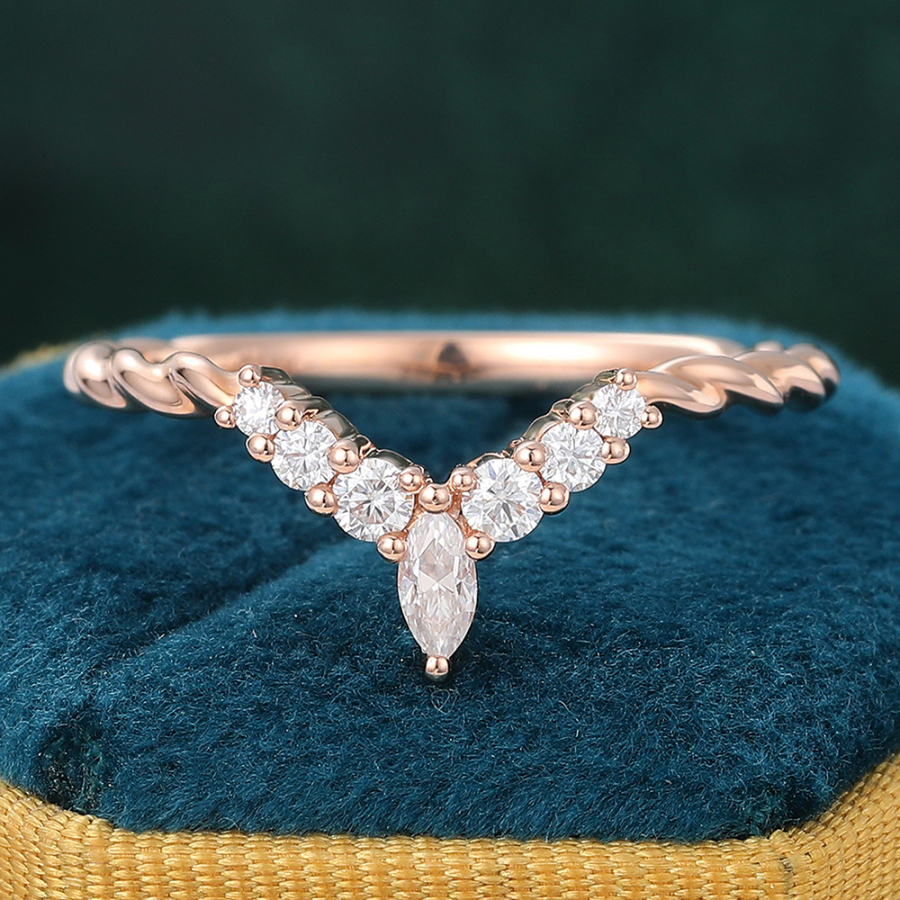
| Marquise & Round Cut Moissanite Rose Gold Twisted Curved Wedding Band | Marquise Moissanite Rose Gold Curved wedding band |
Left Hand vs. Right Hand: Cultural Differences
The meaning of wearing a ring can vary dramatically depending on the hand chosen, and these variations exist across cultures, traditions, and personal beliefs.
Western Traditions
In most Western countries, the left hand is considered the "romantic hand." Engagement and wedding rings are worn on the left ring finger based on an ancient Roman belief in the Vena Amoris, or "vein of love," which supposedly runs directly to the heart. Wearing a ring on this finger symbolizes eternal love and commitment.
In Western culture, the right hand is often used for fashion rings, anniversary bands, or rings that represent personal achievements, such as graduation or professional milestones.
Eastern & European Variations
In countries such as Russia, Germany, Norway, and India, wedding rings are traditionally worn on the right hand. This practice is often tied to religious customs. For example, in certain Orthodox Christian traditions, the right hand is considered more "honorable" or "pure" for sacred vows.
In some parts of Asia, the choice of hand may be influenced by feng shui or astrology. According to these practices, the left hand is associated with receiving energy, while the right hand is associated with giving or projecting energy.
Modern Interpretations
Today, many people break away from tradition. Wearing a ring on the "non-traditional" hand can be a statement of independence, self-love, or personal style. For instance, some people wear a ring on their right hand to celebrate career success or a significant life event, apart from romantic relationships.
How to Choose the Right Finger for Your Ring
Deciding where to wear your ring is both an emotional decision and a style choice. Here's how to make it meaningful and practical.
1. Define Your Message
What message do you want your ring to convey? If you want to commemorate a loving relationship, the ring finger is a classic choice. If you want to boost your confidence or remind yourself of your leadership qualities, consider the index finger or thumb.
2. Focus on Comfort and Practicality
Think about your daily life. If you frequently work with your hands, a large ring on your dominant hand's middle or index finger might be inconvenient. A ring on your pinky finger or on your non-dominant hand is often more comfortable.
3. Consider Cultural & Personal Beliefs
If you value tradition, follow your culture's customs for engagement, wedding, and family rings.
If you prefer to express your individuality, choose a finger that aligns with your personal symbolism. For example, you could wear a ring on your right hand to mark a personal achievement.
4. Strive for Visual Balance
Try styling rings on both hands to create a sense of visual harmony. For instance, you could wear a bold statement ring on one hand and a few simple, stackable rings on the other. This is fashionable and balances the "energy" of your jewelry.
5. Trust Your Intuition
Sometimes, the best choice is simply the one that feels right. Try wearing your ring on different fingers to see which feels most natural and best represents your mood.
Modern Trends: Breaking Traditions, Expressing Individuality
Nowadays, more and more people are breaking traditional rules to express their individuality. When it comes to wearing rings, many fashion bloggers don't care about their symbolic meaning on specific fingers. They focus more on how they look and whether they add a more refined touch to an outfit.
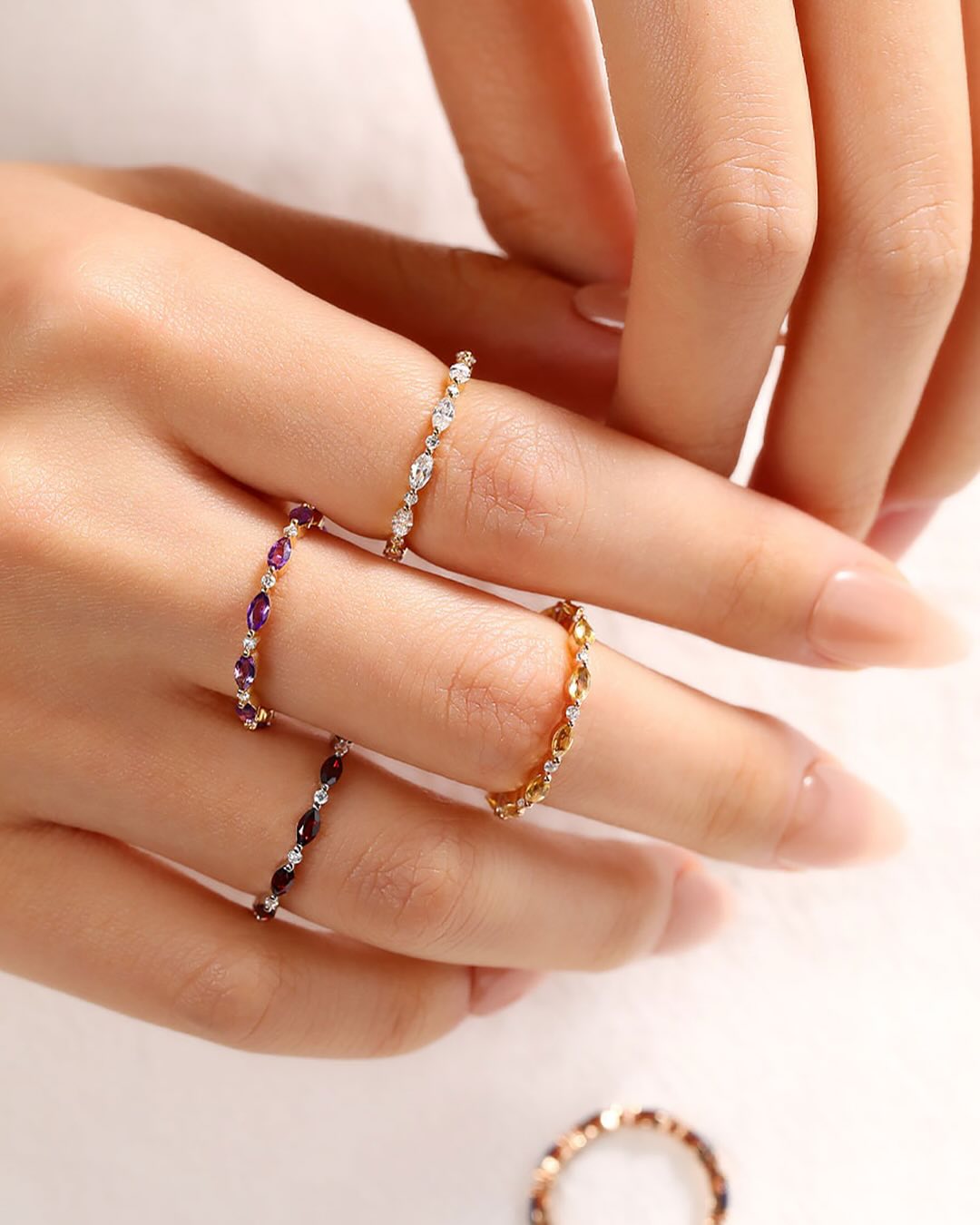
Stacking rings, wearing multiple rings, and combining them on different fingers are all ways to showcase rings as the perfect decorative accessory. This trend reflects the fashion world's shift toward more personalized and liberal expression.
Conclusion
"On which finger should you wear your ring?" There is no definitive answer, except for traditional engagement and wedding rings. For those, follow the established convention. Otherwise, choose according to your preferences and style. Give the ring new meaning by wearing it on the finger you choose.
At Juyoyo, we encourage you to explore the infinite possibilities of ring-wearing and go beyond traditional boundaries. Whether you prefer a classic style that symbolizes commitment or a fashionable design that expresses your individuality, the most important thing is to find a way of wearing it that resonates with your personal story.
Explore the Juyoyo gemstone ring collection to find the perfect design for every finger and tell your unique story.
Frequently Asked Questions (FAQ)
What is the Significance of Wearing a Ring on the Left Hand vs. the Right Hand?
In Western tradition, the left hand, especially the ring finger, is associated with engagement and marriage, representing love and commitment. The right hand is often used for fashion rings, cultural customs (e.g., wedding rings in Russia, Germany, and India), or to mark personal achievements. Some modern wearers choose the right hand to express independence or self-love.
Why is the Ring Finger Associated with Marriage?
The ancient Romans believed that the ring finger was connected to the Vena Amoris, or "vein of love," which ran directly to the heart. This tradition led to wedding and engagement rings being worn on this finger in many cultures, symbolizing eternal love and unity.
Does Wearing a Ring on the Index Finger Mean Anything?
Yes. Historically, wearing a ring on the index finger was a sign of nobility and leadership and often featured family crests or signet rings. Today, the index finger still represents ambition, authority, and confidence, making it a popular choice for statement rings.
What Does a Thumb Ring Symbolize for Men and Women?
Thumb rings often symbolize power, willpower, and individuality. For men, it can convey strength and status, while for women, it can express independence and a bold style. In both cases, it’s a bold, eye-catching choice.
Is It Okay to Wear Rings on Multiple Fingers?
Yes. Wearing rings on multiple fingers is a modern fashion trend known as ring stacking. While traditional etiquette linked each finger to a specific meaning, today's styles focus more on personal expression and aesthetics.
What Does a Pinky Ring Mean in Different Cultures?
In Western history, pinky rings were associated with business acumen and family heritage (signet rings). In some cultures, pinky rings symbolize creativity, communication skills, or marital status. Today, pinky rings are often worn as bold fashion statements.
Does the Meaning Change Depending on the Gemstone?
Yes. Gemstones add another layer of symbolism. Diamonds, for example, represent purity and strength; sapphires, wisdom; and emeralds, growth and harmony. Pairing a gemstone with a specific finger can also amplify its meaning.
Comment