
Prevent Jewelry Tarnish: Expert Tips for Silver, Gold & More
Sep 04,2025 | Juyoyo
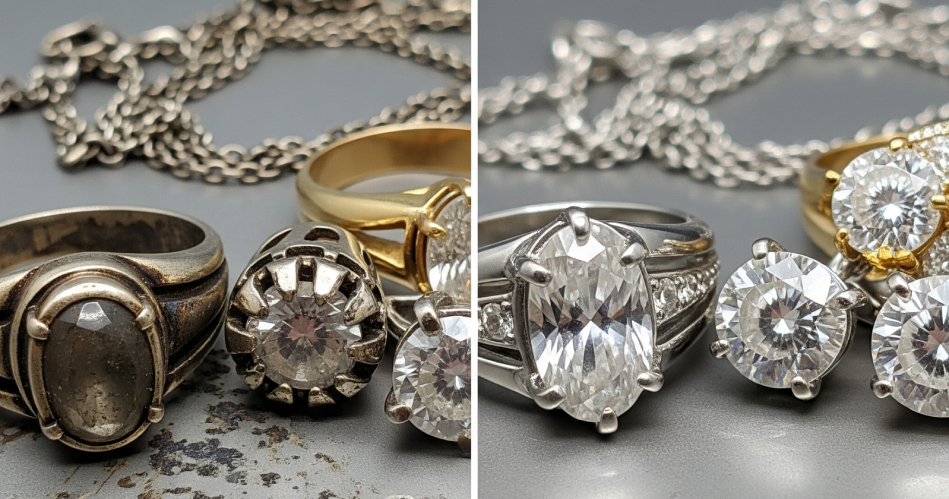
If your favorite jewelry is losing its luster or causing your skin to turn green, you’re not alone. Jewelry tarnish is a common frustration for owners of precious metals worldwide. The good news is that it's largely preventable.
At Juyoyo, we believe the joy of jewelry should last a lifetime. It should last a lifetime. That’s why we’re passionate not only about crafting beautiful, high-quality jewelry, but also about empowering you with the knowledge to care for it.
In this guide, you’ll learn simple steps you can apply today to prevent tarnishing and safely restore the shine to your treasures. Consider this your complete masterclass in maintaining the brilliance of your jewelry.
Why Does Jewelry Tarnish?
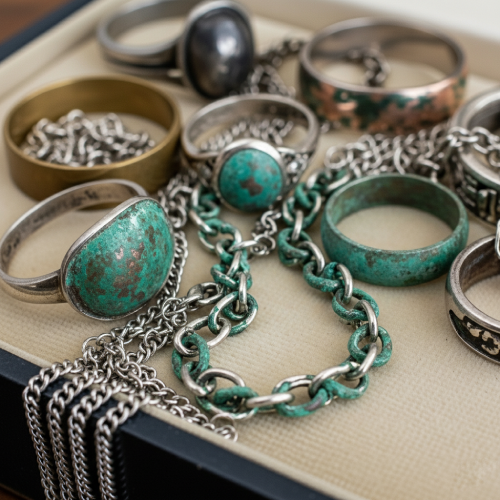
Before we discuss prevention, it's helpful to understand the cause of tarnish. Tarnish occurs when reactive metals come into contact with sulfur compounds and oxygen in the air. Humidity, sweat, lotions, perfume, hairspray, and chlorine accelerate this process. Different metals behave differently:
- Sterling silver (92.5% silver and 7.5% copper) readily reacts with sulfur, which is why it darkens quickly.
- Gold doesn’t tarnish easily, but lower-karat gold alloys (especially gold-plated jewelry) can dull or discolor as base metals react.
- Brass and copper oxidize quickly and can leave a green tint on the skin.
- Stainless steel is highly resistant, but not invincible, to harsh chemicals.
- Costume jewelry is often made of copper, brass, or nickel. These metals are highly reactive and tarnish quickly.
Understanding this helps us shift our mindset from "cleaning" to "preventing." By controlling the environment around your jewelry, you can control tarnish.
General Tips for Preventing Jewelry Tarnish
The best way to prevent tarnish is to stop it before it starts. Adopting these simple habits will make a world of difference.
1. Follow the Last On, First Off Rule
This is the most important habit. Lotions, hairsprays, perfumes, and cosmetics contain chemicals that can accelerate tarnishing. Always put your jewelry on after finishing your beauty routine, and take it off first at night.
2. Keep it Dry
Remove your jewelry before showering, swimming (chlorine is harsh!), or soaking in a hot tub. It's also wise to remove rings before washing your hands or doing dishes. Humidity accelerates tarnishing, so don't store your jewelry in the bathroom.
3. Wipe It Down After Every Wear
Your skin's natural oils and sweat can be acidic and cause tarnishing. Before storing your jewelry, gently wipe it down with a soft, lint-free cloth, such as a microfiber cloth or a specialized jewelry polishing cloth. This five-second step removes harmful residues.
4. Proper Storage Solutions
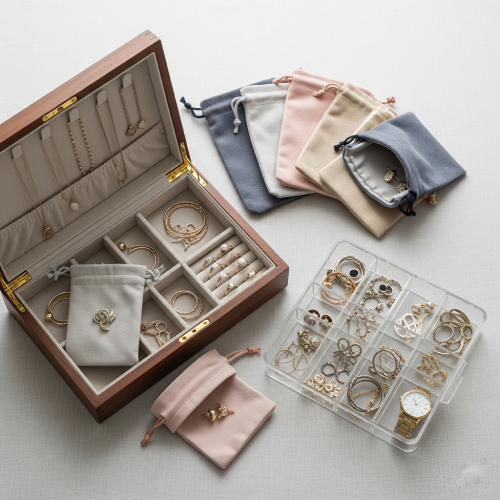
Proper storage is your first line of defense against tarnish. Store your jewelry in cool, dry, airtight containers, such as anti-tarnish pouches, sealed bags, or treated jewelry boxes, to block moisture and pollutants. Place anti-tarnish strips or silica gel packets inside the container to absorb harmful gases. Avoid exposing your jewelry to sunlight or humidity (e.g., bathrooms). For extra protection, store items separately to prevent scratches and chemical reactions between different metals.
5. Rotate Your Jewelry
One simple yet effective way to extend the life of your jewelry is to rotate it regularly. This allows each piece to "rest" in proper storage conditions and reduces its cumulative exposure to elements that cause tarnish.
6. Protective Barrier (For Costume Jewelry)
For inexpensive fashion jewelry that you love, apply a clear polymer coating or a thin layer of clear nail polish to the parts that touch your skin to create a barrier against moisture and oils. Use this trick with caution, as it's not suitable for precious metals or gemstones.
Material-Specific Tarnish Prevention
How to Keep Sterling Silver Jewelry from Tarnishing
Silver is particularly prone to tarnishing due to its copper content. Prevent tarnish by:
- Store it in airtight bags with anti-tarnish strips.
- Use silica gel packets to absorb moisture.
- Wear your silver jewelry regularly. The natural oils in your skin will help maintain its shine.
- Use specially formulated silver polishing cloths to clean it.
- Avoid rubber bands, wool, or newspaper, as they can release sulfur.
Juyoyo Pro Tip: Store silver with chalk! Place a small piece of chalk in your silver storage container to absorb moisture and slow tarnishing.
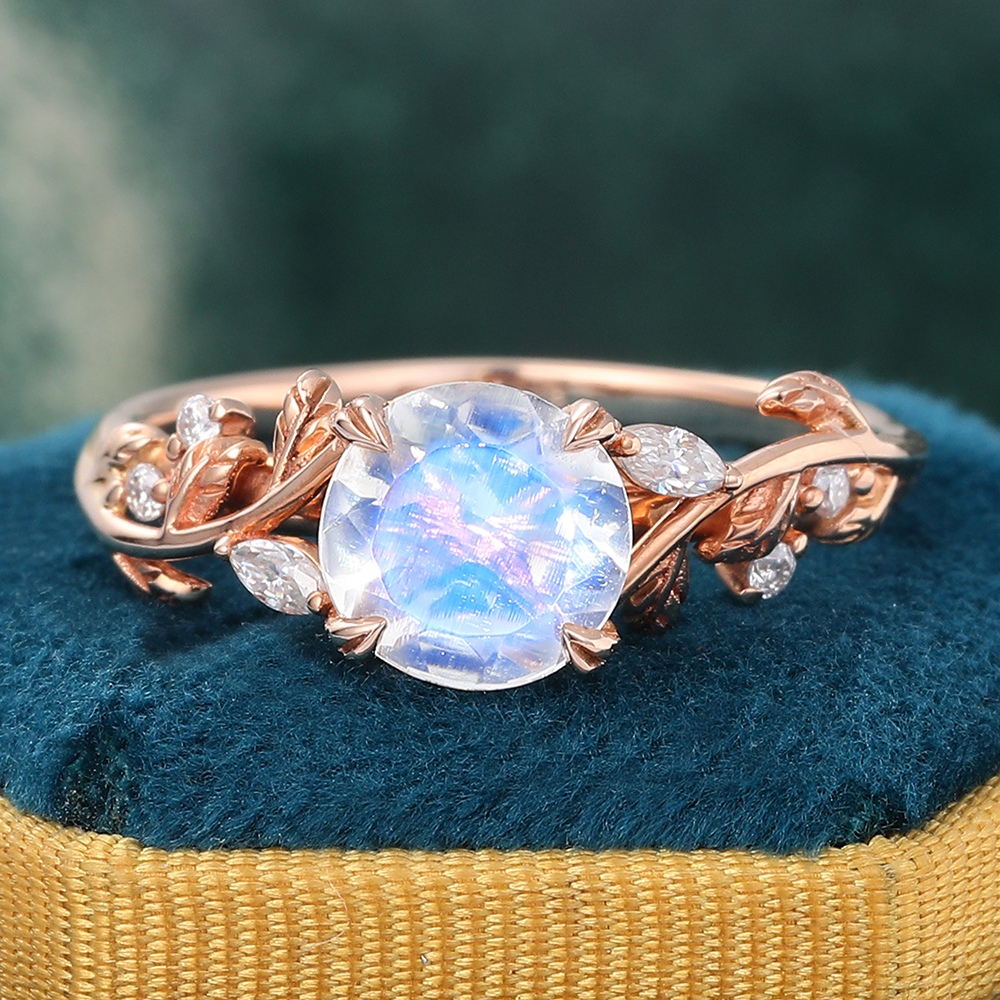
_540x.jpeg?w=1080&h=1080) |
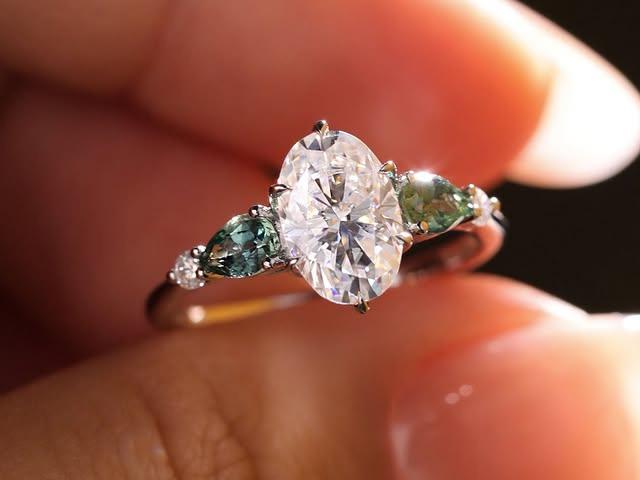
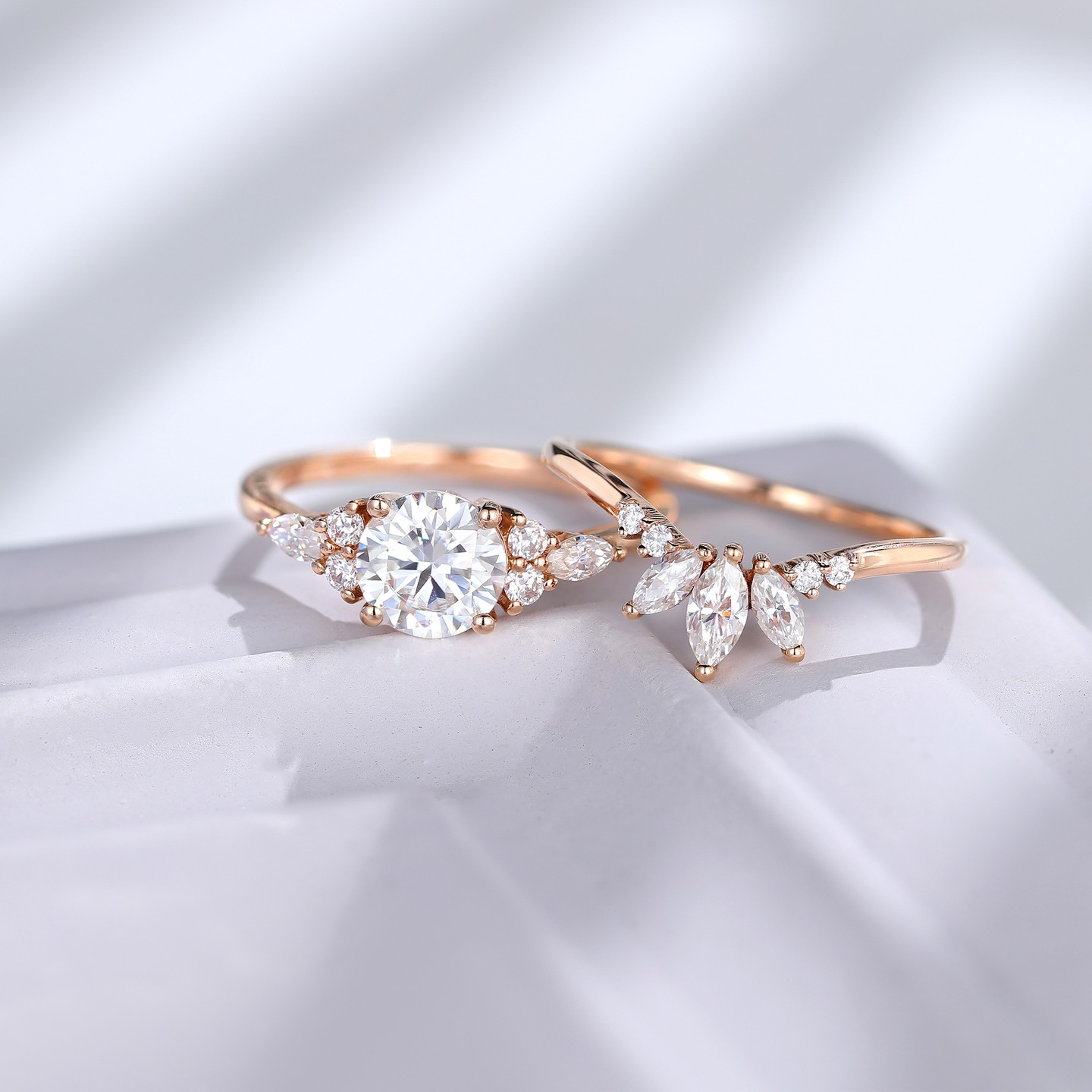
| Pear Cut Moissanite Engagement Ring Set with Natural Inspired Open Band |
How to Keep Gold and Gold-Plated Jewelry from Tarnishing
Higher karats of solid gold (18k-24k) resist tarnish, but lower karats and gold-plated items can dull when alloys or base metals react. Protect your gold pieces by:
- Store them separately to prevent scratches.
- Avoid exposure to chemicals, especially chlorine.
- Cleaning with mild soap and warm water using a soft brush
- Drying them thoroughly before storage.
Be extra gentle with gold-plated items, as aggressive cleaning can remove the thin gold layer.
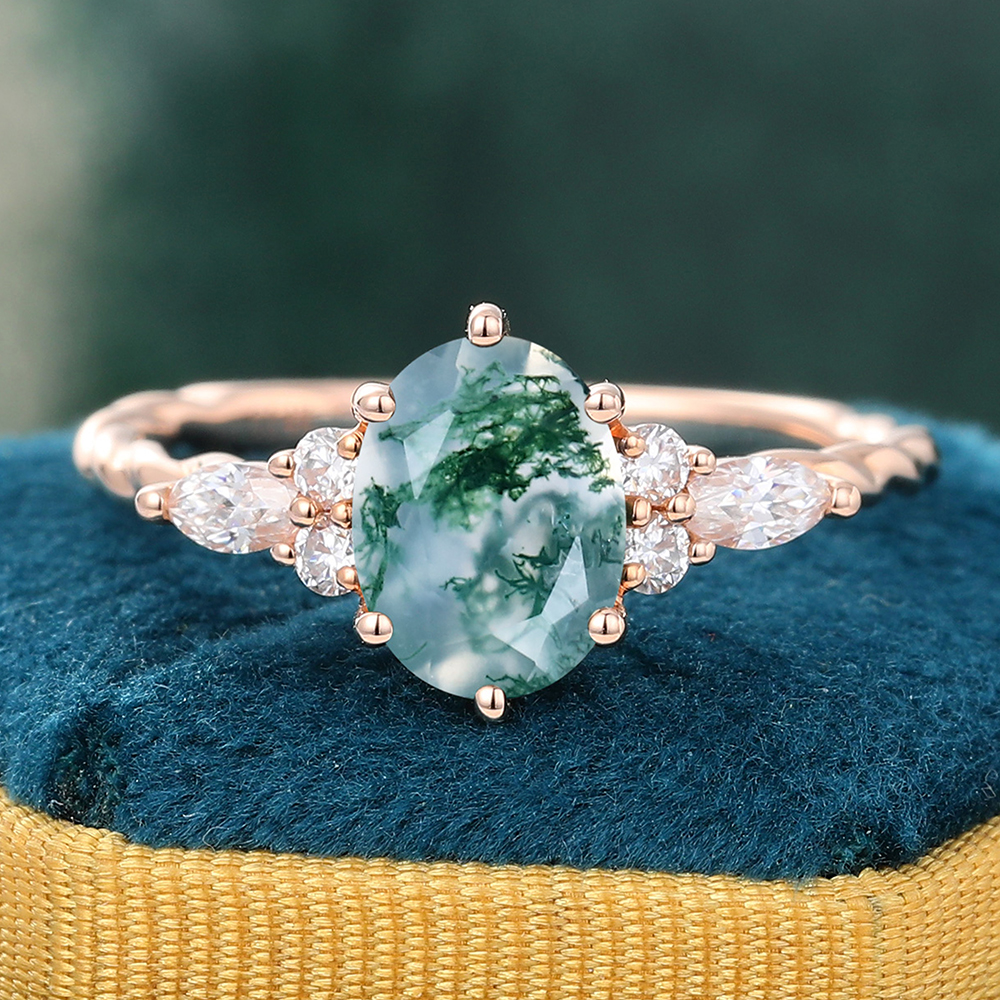
_540x.jpeg?w=661&h=661) |
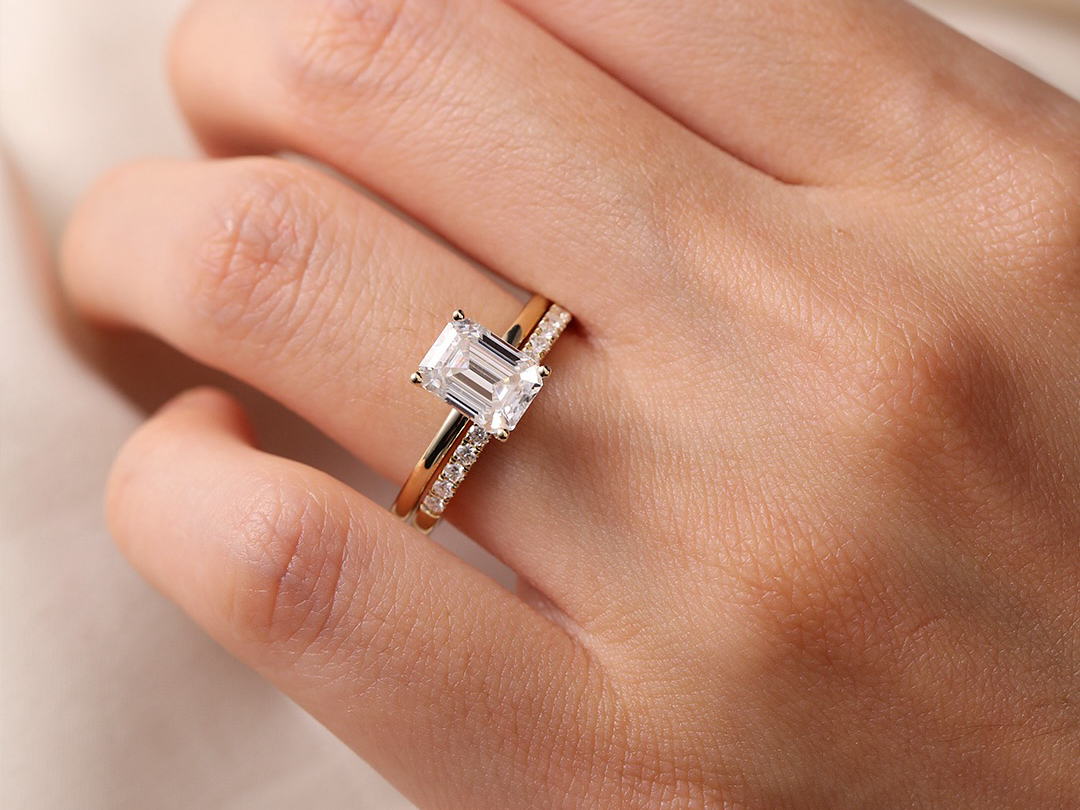
| Round Cut Moss Agate Engagement Ring Set with Natural Inspired Curved Band |
How to Keep Brass and Copper Jewelry from Tarnishing
These metals develop a patina over time, which some people appreciate. To prevent unwanted tarnishing:
- Apply a thin layer of clear nail polish to the inside surface that contacts the skin.
- Use a specialized metal sealant.
- Clean with natural solutions, such as lemon juice and baking soda. Be sure to rinse thoroughly and dry completely.
How to Keep Stainless Steel Jewelry from Tarnishing
Stainless steel jewelry is low-tarnish and high-durability, but it can still be damaged by chlorine or harsh cleaners. To prevent unwanted tarnishing:
- Rinse after sweating or swimming in saltwater, and pat it dry completely.
- Separate it from softer metals to prevent scratches; simple pouches work well for this.
- Clean with mild soap and warm water.
- Avoid prolonged bleach exposure.
How to Keep Pearl & Organic Gem Jewelry from Tarnishing
These delicate materials require special care.
- Store them separately from other jewelry to prevent scratches.
- Keep them away from perfumes, hairsprays, and cosmetics.
- Gently wipe with a damp cloth after wearing.
- Allow them to air dry completely before storing.
- Restring pearls annually if worn frequently.
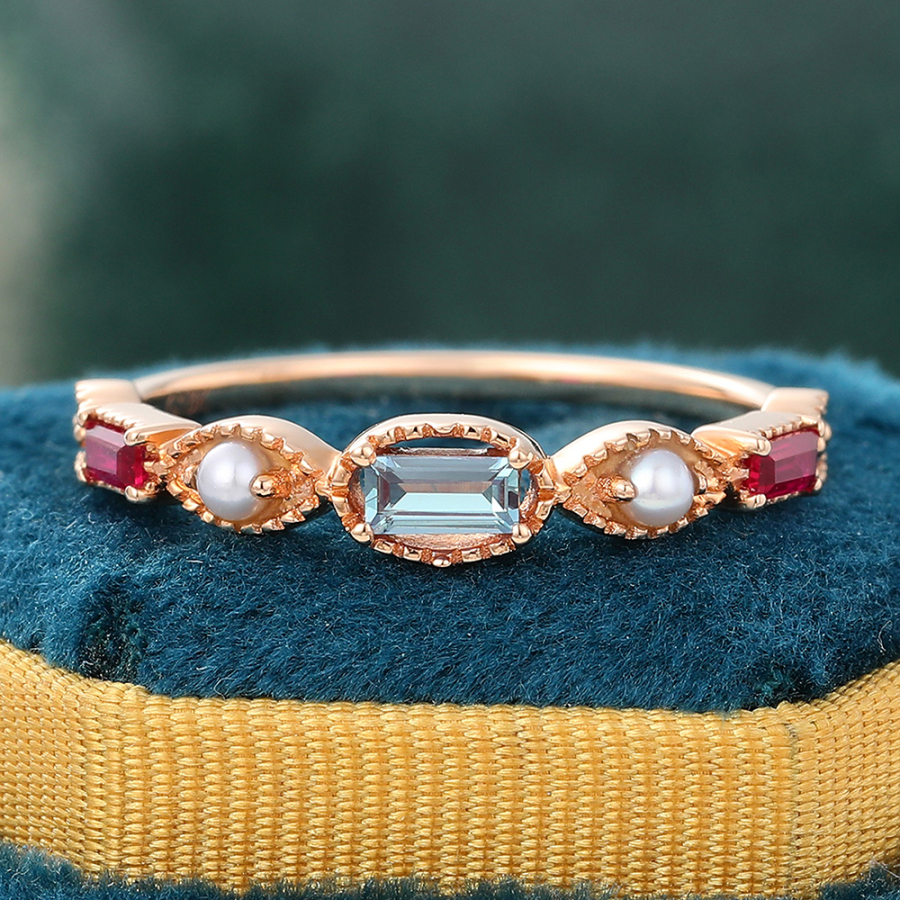 |
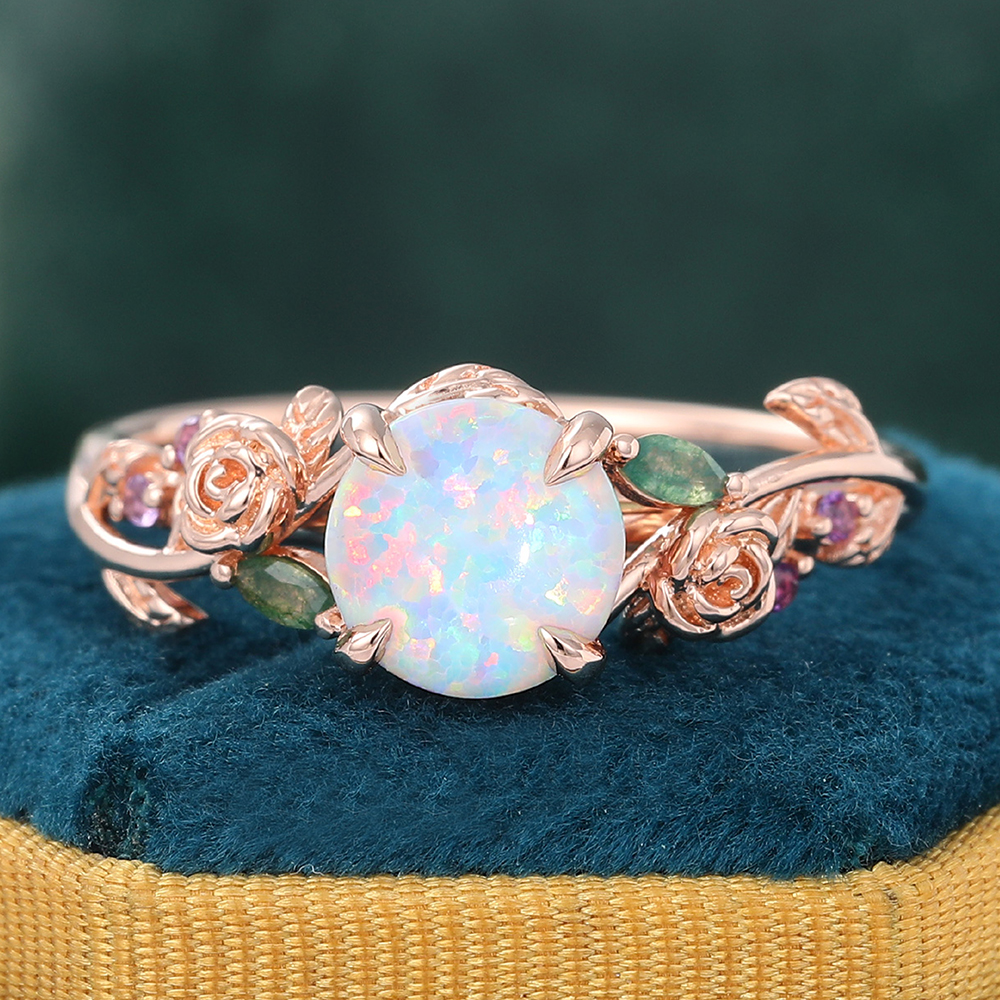
| Multi Gemstone Ring Lab Alexandrite & Ruby & Pearl Ring |
How to Clean Tarnished Jewelry
Even with the best care, tarnish can happen. Here’s how to safely handle it.
1. The Safest First Step: Soap & Water
For light tarnish, all you need is a simple solution of warm water and a few drops of mild, phosphate-free dish soap. Dip a very soft brush (a baby toothbrush works well) into the solution and gently scrub the piece. Rinse thoroughly with clean water, and most importantly, dry it completely with a soft cloth.
2. The DIY Method (Use with Extreme Caution!)
You may see guides recommending a baking soda and aluminum foil bath for silver. While this can work, it's an electrochemical process that removes a microscopic layer of silver along with the tarnish. Never use this method on jewelry with gemstones, pearls, or antiqued finishes.
3. Invest in a Quality Polishing Cloth
A professional-grade jewelry polishing cloth is a fantastic investment. They are usually two-layered—one layer is treated with a chemical cleaner to remove tarnish, and the other layer is used to buff and shine.
4. When to See a Professional
Do not risk cleaning valuable heirlooms, pieces with intricate designs, or pieces with delicate gemstones (like opals, pearls, or emeralds) at home. A professional jeweler has the necessary tools and expertise to clean these pieces safely without causing damage.
Conclusion
If you're wondering how to keep your favorite jewelry pieces looking as brilliant as the day you bought them, know that the key isn't just cleaning, but proactive care. Follow these simple rules: "Last on, first off," smart, airtight storage, and keeping your pieces clean and dry. These steps will dramatically extend the life and luster of any jewelry you own.
Choose Juyoyo for jewelry that combines timeless beauty with enduring quality, so you can spend less time worrying about maintenance and more time enjoying your stunning, tarnish-resistant collection.
FAQ: Your Jewelry Tarnish Questions Answered
Why Does My Jewelry Turn My Skin Green?
Copper in brass or low-karat alloys can react with sweat and the acids in cosmetics, creating green-colored copper salts. To prevent this, keep your jewelry dry, apply a clear, jewelry-safe sealant, or choose stainless steel, higher-karat gold, or rhodium-plated silver.
How to Stop Jewelry from Turning Skin Green?
To prevent this, apply clear nail polish to the inner surfaces of your jewelry to create a moisture- and acid-resistant barrier. Choose jewelry made from hypoallergenic materials, such as stainless steel, titanium, or 18k gold, instead of cheap metals. Keep your jewelry dry by removing it before swimming, showering, or exercising. Store your pieces properly in airtight containers to reduce their exposure to air and moisture.
Can I Shower With Gold-Plated Jewelry?
It's not recommended. Water, heat, and soap can accelerate the wear of the thin plated layer. To prevent tarnishing and thinning, remove gold-plated jewelry before showering and wipe it dry after wearing it.
Why Does Some Jewelry Tarnish Faster Than Others?
The rate of tarnishing depends on the composition of the metal, environmental factors, and individual body chemistry. People with more acidic skin pH may experience faster tarnishing.
Can I Prevent Tarnish Completely?
While it's impossible to stop the chemical processes that cause tarnishing, proper care can significantly slow down the process and minimize its appearance.
How Often Should I Clean My Jewelry to Prevent Tarnish?
Wipe with a soft cloth after each wear. Give it a deep clean every two to four weeks, depending on how often you wear each piece. If you store your silver jewelry in airtight bags with anti-tarnish strips, you may only need to polish it occasionally, every few months.
Does Wearing Jewelry Prevent Tarnish?
Regular wear can help prevent tarnish because the natural oils on your skin create a protective layer. However, you must still clean and store it properly.
Will Clear Nail Polish Stop My Finger from Turning Green?
Yes. For costume jewelry, applying a thin coat of clear nail polish to the inside of a ring creates a barrier between the metal and your skin, preventing the green reaction (a form of tarnish). It will need to be reapplied as it wears off.
What’s the Best Way to Store Jewelry Long Term?
Clean and fully dry each piece; place them in airtight bags with anti-tarnish strips; and store the bags in a closed box with fresh silica gel. Store it in a cool, dry place, away from bathrooms and laundry rooms.
Also Read:
Does White Gold Tarnish? Tips for Maintenance
Does Gold Tarnish? Why & How to Remove?
Does Gold Plated Tarnish? Why & How to Remove?
Comment