
Ethiopian Opal vs Australian Opal: Which One Should You Buy?
Oct 28,2025 | Juyoyo
Opals are magical. Their "play-of-color," or that flash of rainbow fire, is unlike any other gemstone on Earth. But as you’ve started looking for the perfect opal ring, you’ve hit the big question: Should you get an Ethiopian or Australian opal?
They may look similar in photos, but they are actually very different. They have different personalities, price tags, and—most importantly—care requirements.
As your guide from Juyoyo, where gemstone expertise meets practical buying advice, I'll cut through the confusion. We'll delve beyond surface-level facts to understand the reasons behind each opal's value and characteristics, empowering you to make a confident and informed decision.
💍 The Quick Answer:
- Australian opal is a durable, stable, classic choice. It's a high-quality gem that you can wear with reasonable confidence for a lifetime.
- Ethiopian opal is the brilliant, beautiful, and affordable newcomer. It offers stunning value for its price, but it requires significant care.
First, The Basics: What Are Ethiopian and Australian Opals?
Before we compare them, let's establish a clear understanding of these two types of opal. Both are "precious opals" renowned for their spectacular play of color. However, their origins and fundamental nature set the stage for all their differences.
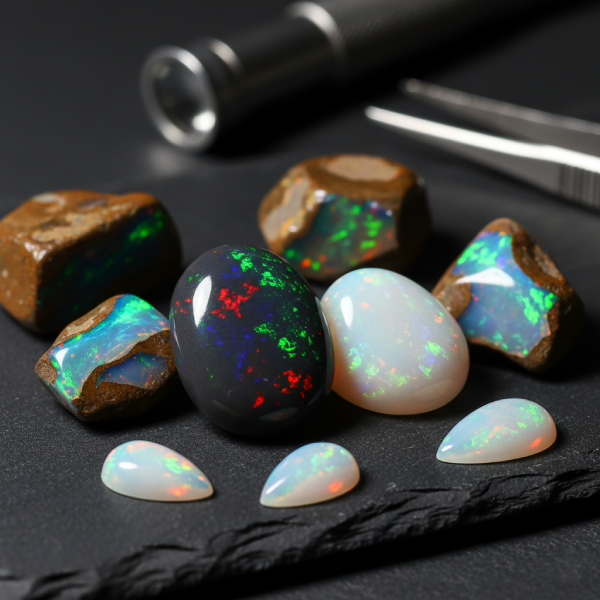
Australian Opal
Australian opal is a sedimentary opal. It formed over countless millennia (65 to 140 million years ago) when a silica solution seeped into the cracks and fissures of ancient Cretaceous rock. As the water evaporated very slowly, silica particles were left behind and stacked in near-perfect spheres. This uniform structure diffracts light, giving Australian opal its famous play-of-color.
- Key Locations: It is famously mined in legendary locations such as Lightning Ridge (home of the coveted black opal), Coober Pedy (the "opal capital of the world" for white opal), and Queensland (home of the unique boulder opal).
- Core Identity: Australian opal is synonymous with stability, depth of color, and heritage. It is the official national gemstone of Australia and is revered by collectors and jewelers for its permanence.
Ethiopian Opal
Ethiopian opal is a type of volcanic opal. It formed more recently within nodules of volcanic rock (rhyolite). Silica-rich hydrothermal fluids flowed through the rock, depositing opal in nodules and seams. Unlike its sedimentary counterpart, Ethiopian opal has a porous internal structure.
- Key Locations: It is primarily sourced from the Welo (or Wollo) region in the Ethiopian highlands. Significant deposits were discovered there in the 1990s and 2000s. This is why it is almost always called "Welo opal."
- Core Identity: Ethiopian opal is characterized by its often breathtaking brightness. It is also known for its high transparency. The play-of-color patterns are remarkable. It brought a new, dynamic energy to the opal market by offering a different kind of beauty that is both ancient and modern.
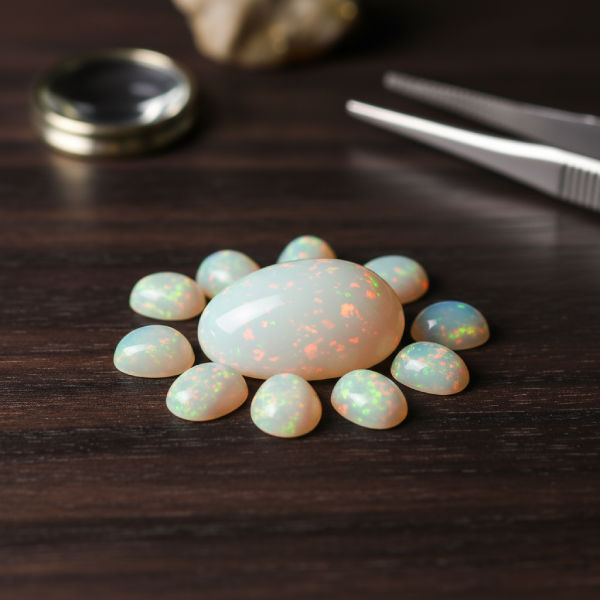
Summary: We have the classic icon, Australian sedimentary opal, versus the dazzling newcomer, Ethiopian volcanic opal.
One is a stable, non-porous gemstone formed by slow sedimentary processes. The other is a porous, water-loving gemstone formed by volcanic activity.
Ethiopian Opal vs Australian Opal: The Quick Comparison
For those who want the facts quickly, here’s how these two opals compare. This table is the most important summary you'll need.
| Feature | Ethiopian Opal (Welo) | Australian Opal (e.g., Lightning Ridge) |
| Water Content | Hydrophane (Porous, like a sponge) | Non-Hydrophane (Stable, non-porous) |
| Origin | Volcanic Rock | Sedimentary Rock |
| Durability | Lower. Prone to cracking ("crazing") or color change if exposed to water, oils, or rapid temperature changes. | Higher. Very stable. The industry standard for durable opal jewelry. |
| Care Level | Extremely High Maintenance | Low Maintenance |
| Price | Very Affordable | Significantly More Expensive |
| Investment Value | Lower. Valued for its beauty, not as a long-term asset. | Higher. Considered a strong investment, especially Black Opal. |
| Treatments | Often "smoked" or "dyed" to create a "black" body tone. | Generally untreated. Australian Black Opal is naturally black. |
Key Differences Between Ethiopian and Australian Opals
Now, let's explore the differences between these two precious stones.
Ethiopian vs. Australian Opal: Stability & Durability
This is the most critical factor in your decision.
Ethiopian opal is hydrophane. Think of them as delicate sponges that can absorb and release water. This property is a double-edged sword:
The Risk: Sudden changes in moisture (like moving from a steamy bathroom to a dry, air-conditioned room) can cause stress, leading to "crazing"—a network of tiny cracks. They can also become temporarily translucent when wet.
Here's how to care for Ethiopian opal:
- It should be the last thing you put on after applying makeup, perfume, and lotion.
- It should be the first thing you take off before washing your hands, showering, or cleaning.
- Never get it wet.
- Never use chemical cleaners or ultrasonic machines.
Australian opals are non-hydrophane. This means their structure does not absorb water. Consequently, they are highly stable and resistant to environmental changes. They are also far less prone to cracking. Their legendary durability makes them the premier choice for engagement rings and heirloom pieces that will be worn daily for generations.
You still need to be careful. Don't wear it to the gym or while gardening. But it can handle the rigors of everyday life. This includes getting wet.
Juyoyo's Pro Tip: As jewelers, when clients ask for an opal engagement ring or a piece for daily wear, we always guide them toward Australian opal.
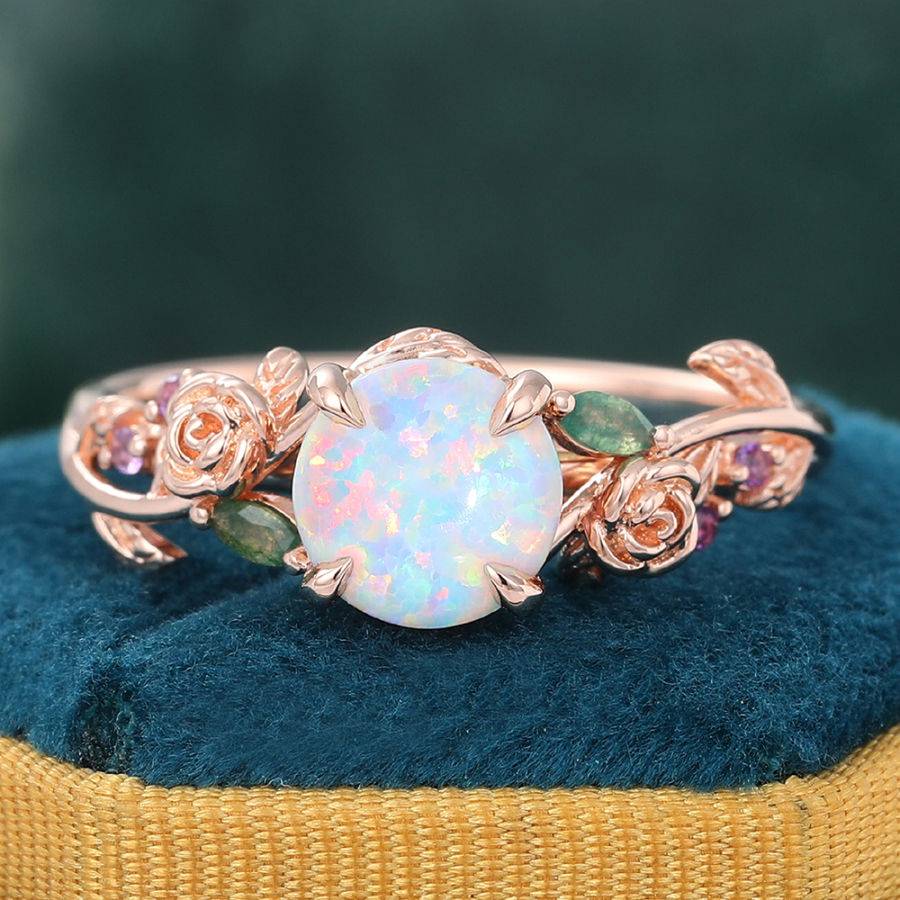 |
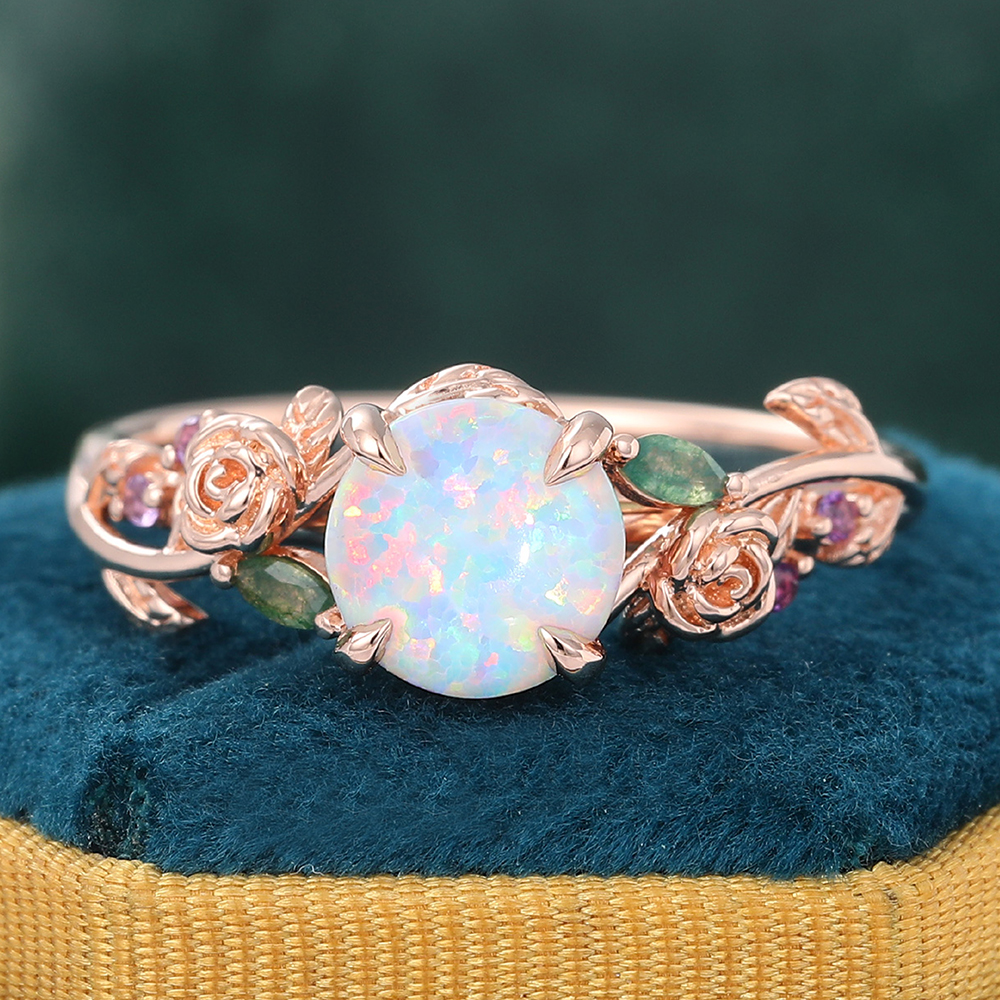
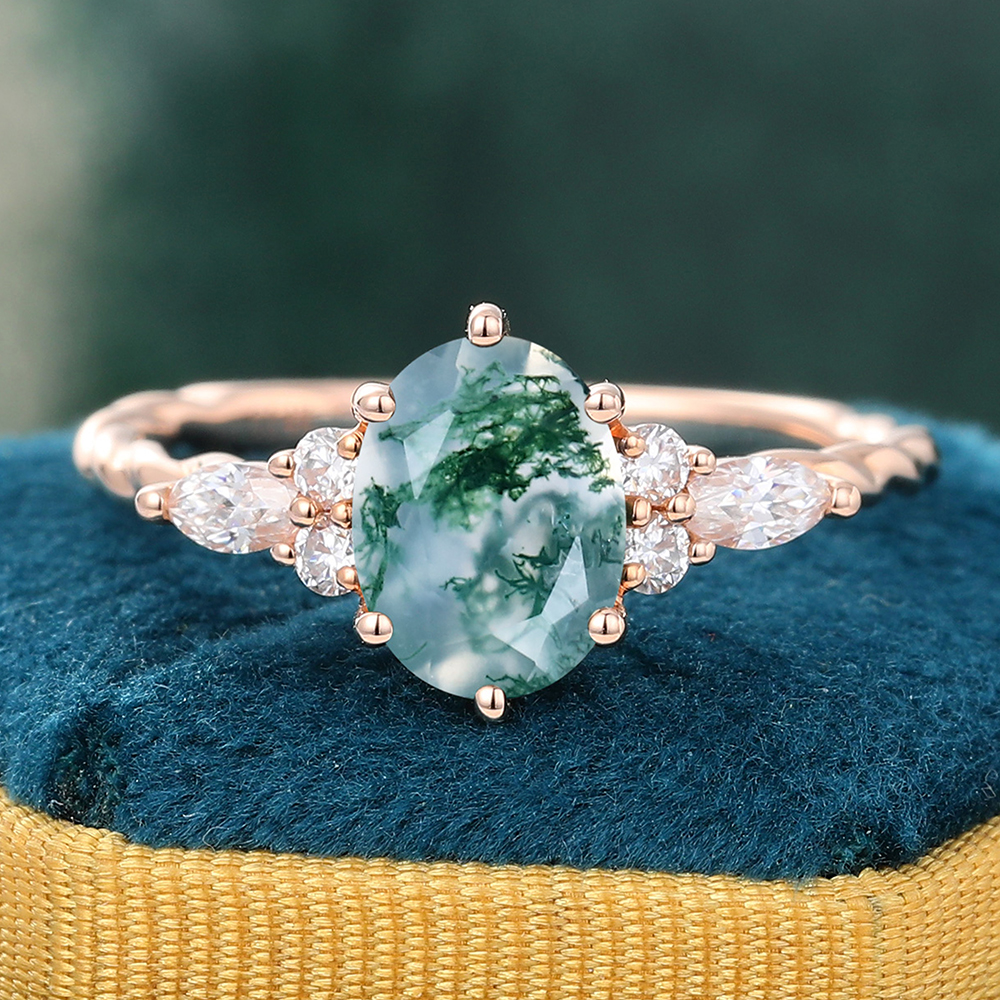
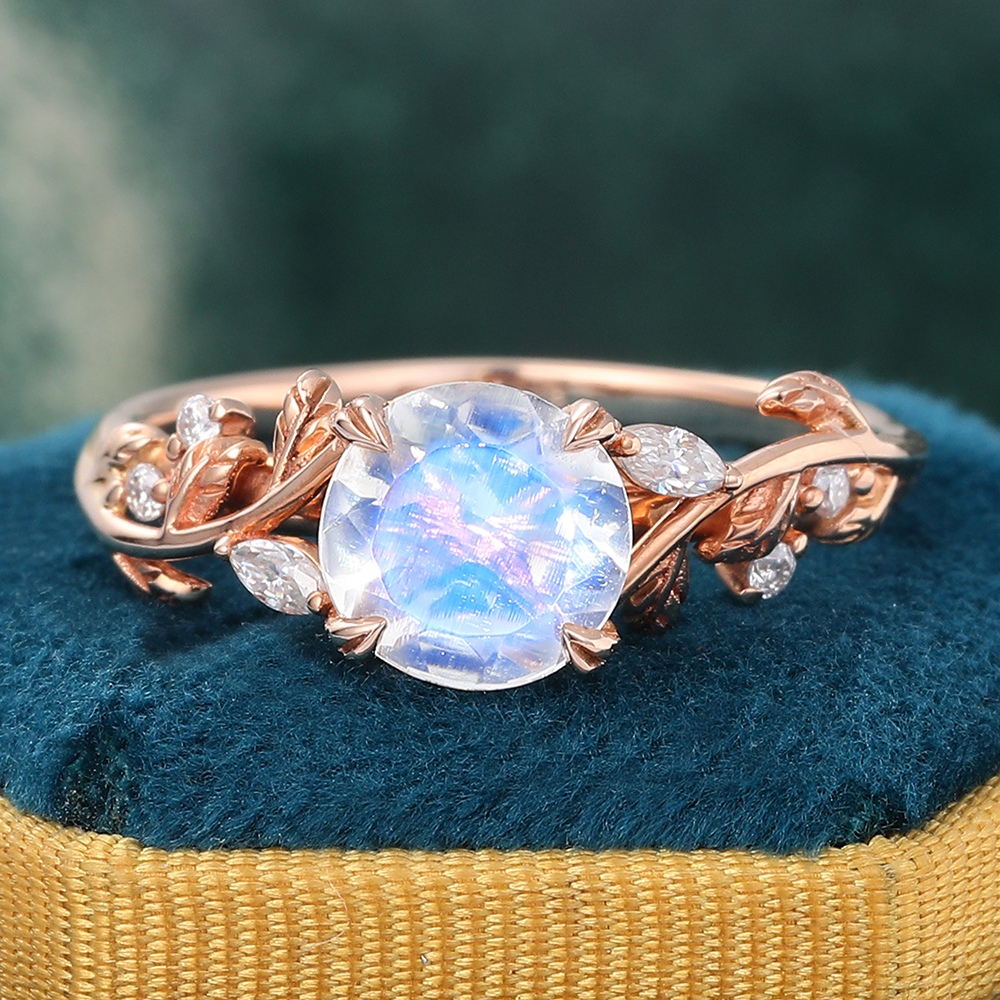
| 14K Rose Gold Round Opal Engagement Ring Rose Leaf Nature-Inspired Wedding Ring |
Ethiopian vs. Australian Opal: Color & Appearance
Both opals display a spectacular "play of color," but the nature of that display differs greatly.
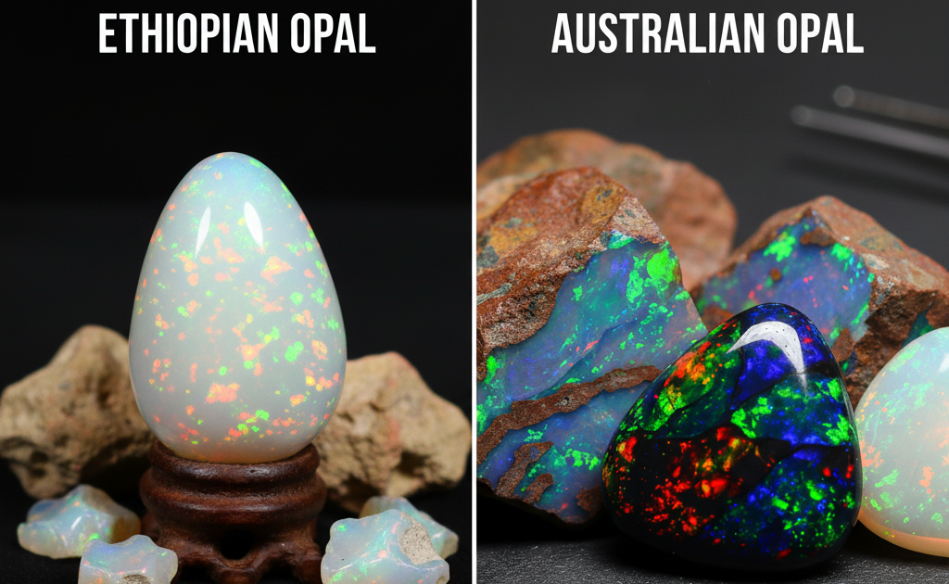
Ethiopian Opal: They are renowned for their bright, often large-patterned play of color that appears to dance on the surface. Their high transparency creates a crystal-clear or "jelly"-like background that makes the colors appear exceptionally bright and fiery. The patterns can be breathtakingly dynamic, offering a more modern and vibrant aesthetic.
Australian Opal: The colors in Australian opals often appear to emanate from deep within the stone. Against a dark body tone, such as black opal, the colors—reds, greens, blues, and violets—appear profoundly saturated and luminous. The effect is one of solidity, depth, and a mysterious internal fire. It’s classic and timeless beauty.
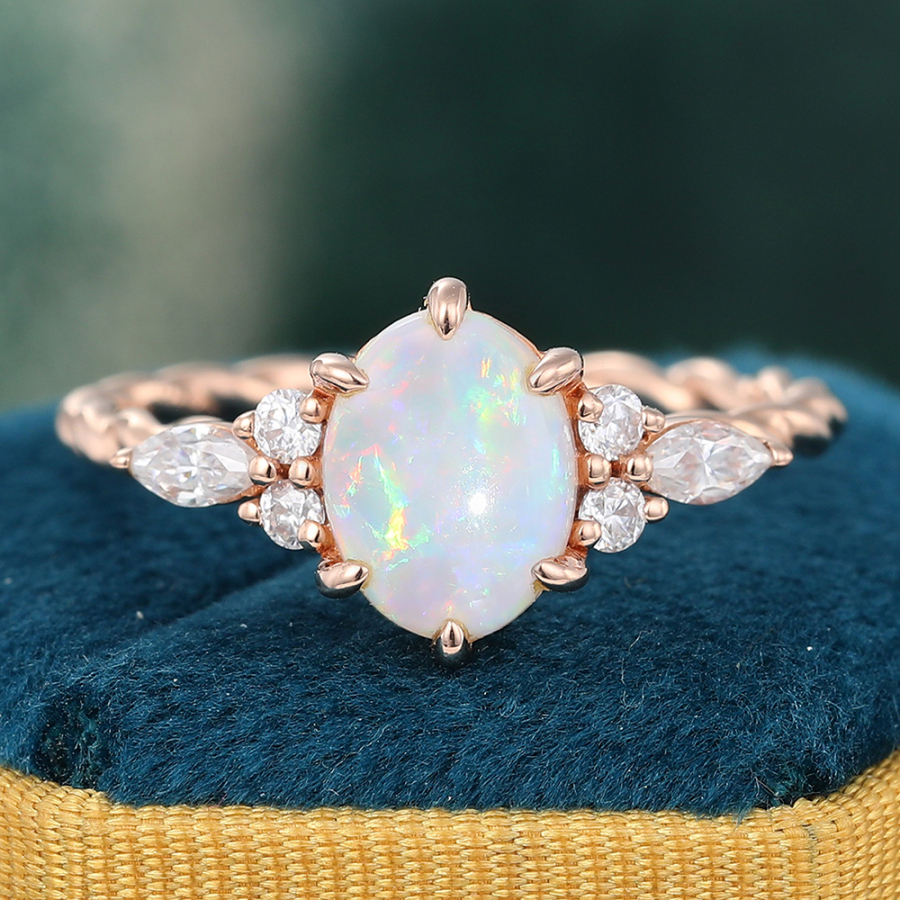 |
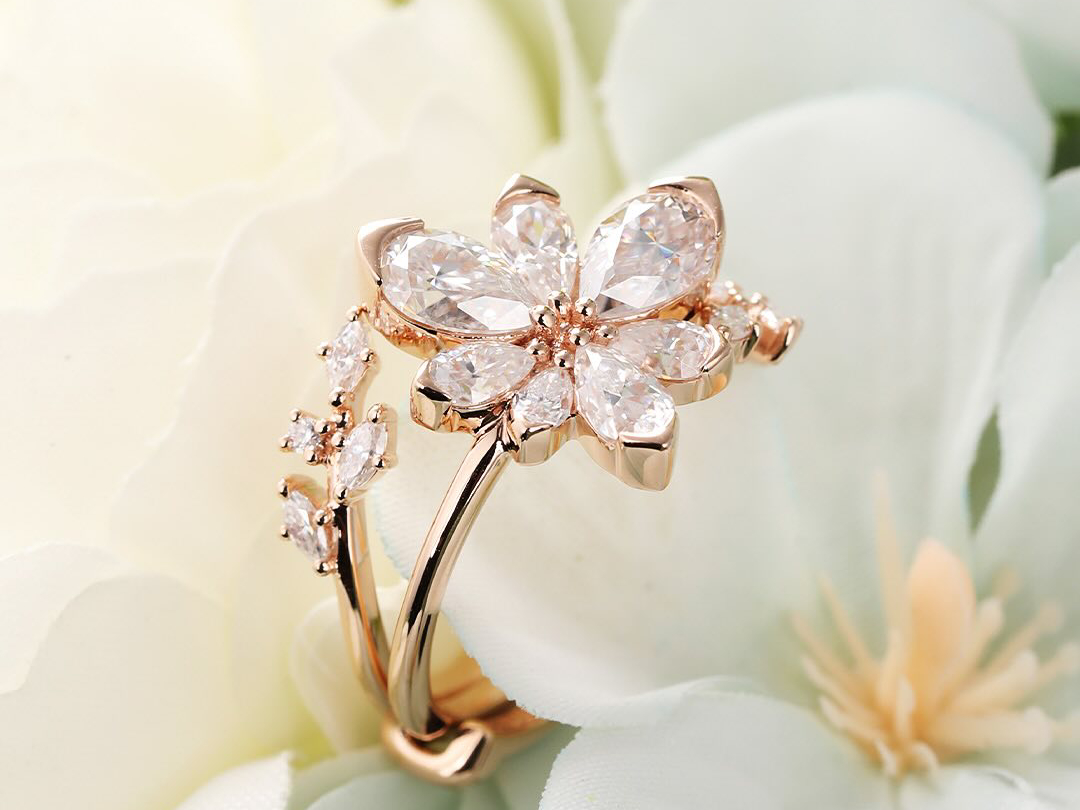
| Juyoyo Oval Cut Opal Rose Gold Twisted Engagement Ring |
Australian vs. Ethiopian Opal: Value & Price
Understanding the value proposition is key to a satisfying purchase.
Why is Australian Opal More Expensive?
The high value of Australian opal, particularly black opal from Lightning Ridge, is driven by:
- Rarity & Depletion: The most famous Australian mines are aging, and top-quality material is becoming increasingly scarce.
- Stability: As a secure, long-term investment, its durability commands a premium.
- Market Legacy: It has a long-established reputation as the world's most desirable opal.
When you purchase a high-quality Australian opal, you are acquiring a piece of geological history that will maintain or increase in value.
Why Is Ethiopian Opal So Cheap?
This is the main reason Ethiopian opals are so popular, and it’s a valid one. You can purchase a large, stunning Ethiopian opal for a fraction of the price of a smaller Australian opal. The reason comes down to two things:
- Supply: The Welo (Wollo) deposit, discovered in Ethiopia in the 2000s, is enormous. A large and steady supply of high-quality material is available.
- Market: Due to the durability and care issues discussed earlier, the high-end jewelry market considers it a less "serious" gem. Its lower price reflects its lower stability.
This makes it a fantastic choice for someone who wants maximum "wow" factor on a budget, as long as they understand the risks.
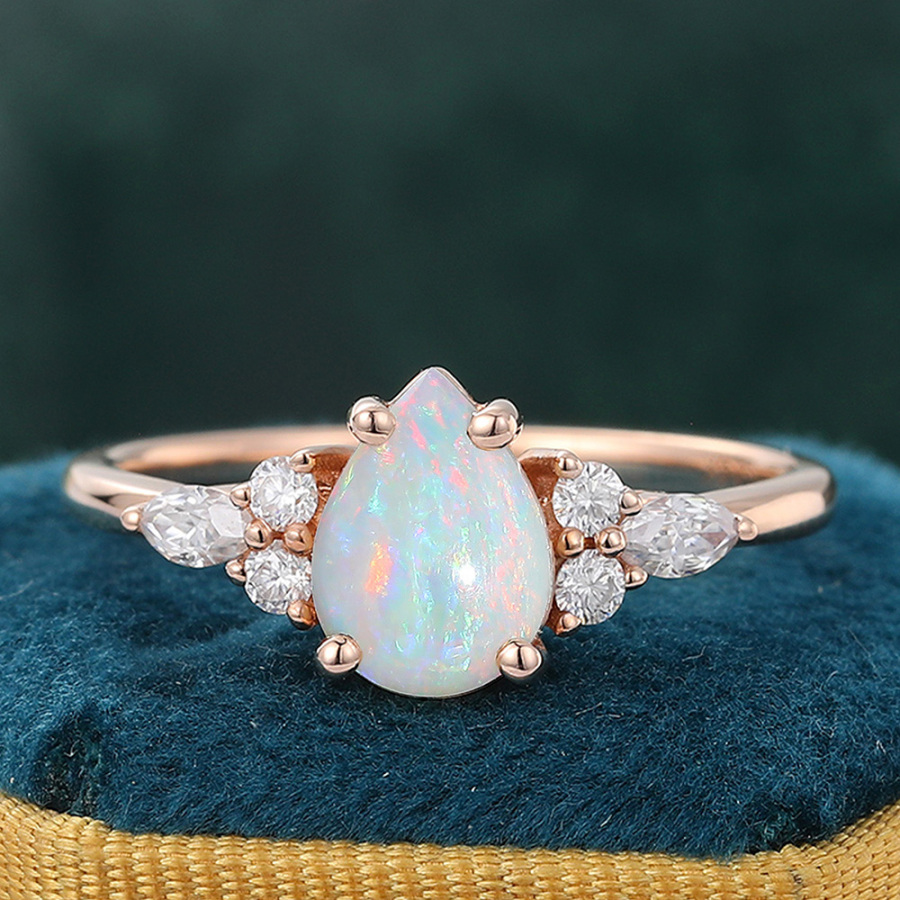 |
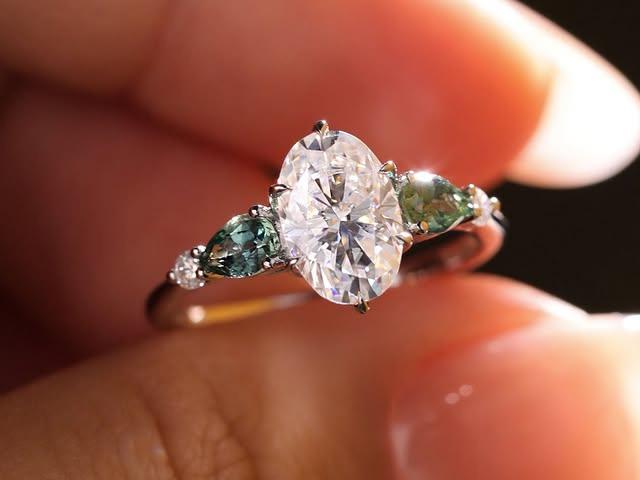
| Classic Pear Opal Engagement Ring with Diamond Cluster Accents |
Australian Black Opal vs. Black Ethiopian Opal
An Australian black opal from Lightning Ridge is 100% natural. Its dark body tone formed in the earth, making it incredibly rare and valuable.
In contrast, a "black Ethiopian opal" is almost always a treated gemstone. Since Ethiopian opal is porous, sellers can "smoke" it (smoke it over a fire to infuse the pores with carbon) or dye it to create an artificial black background.
These are not the same gem. While a treated Ethiopian opal can be beautiful, it has almost no collector's value and should be sold for a tiny fraction of the price of a natural Australian black opal.
Smart Buying & Avoiding Pitfalls
Some sellers use techniques like "smoke treatment" or "sugar acid treatment" on Ethiopian opals to darken their color and make them look like much more expensive Australian black opals.
Juyoyo's 3-Step Safety Check:
- Always Ask About Treatments: Ask the seller, "Is this opal natural and untreated? What is its country of origin?" Reputable sellers will disclose this information.
- The "Water Test": This is a risky at-home test for experts. A wet cotton swab on an unset Ethiopian opal will often make the stone temporarily translucent. Australian opal will not react. (Note: Do not attempt this on finished jewelry.)
- Trust Certification: For high-value purchases, insist on a certificate from a reputable gemological laboratory identifying treatment and origin.
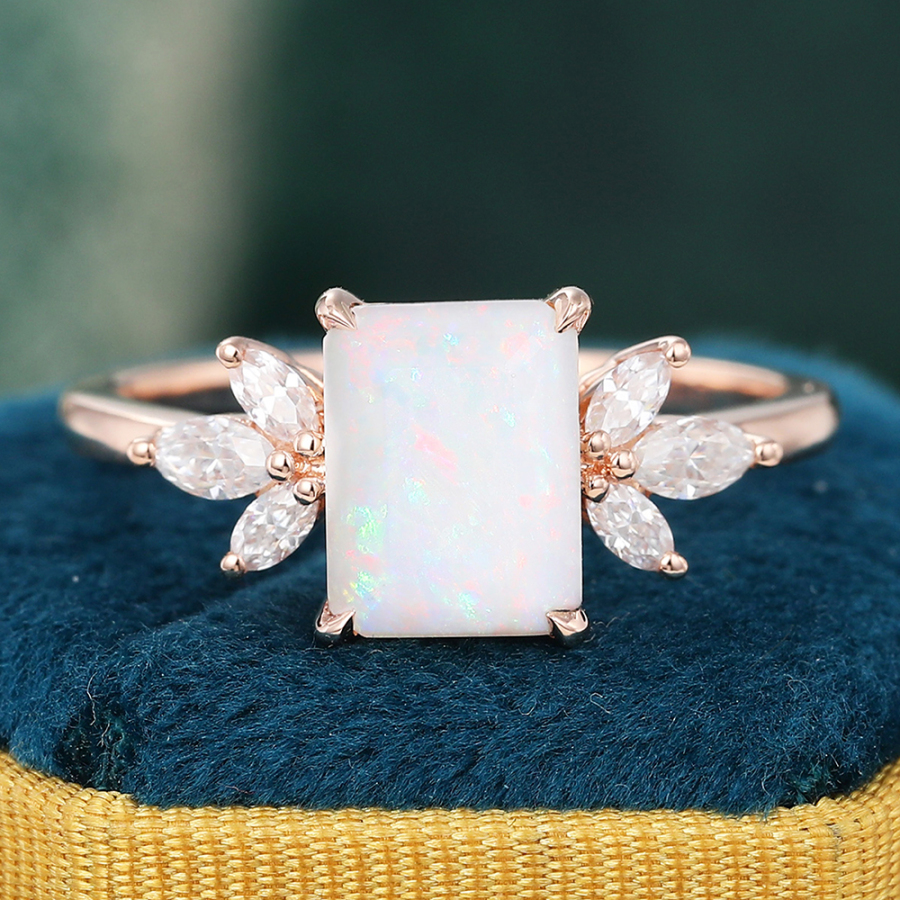 |
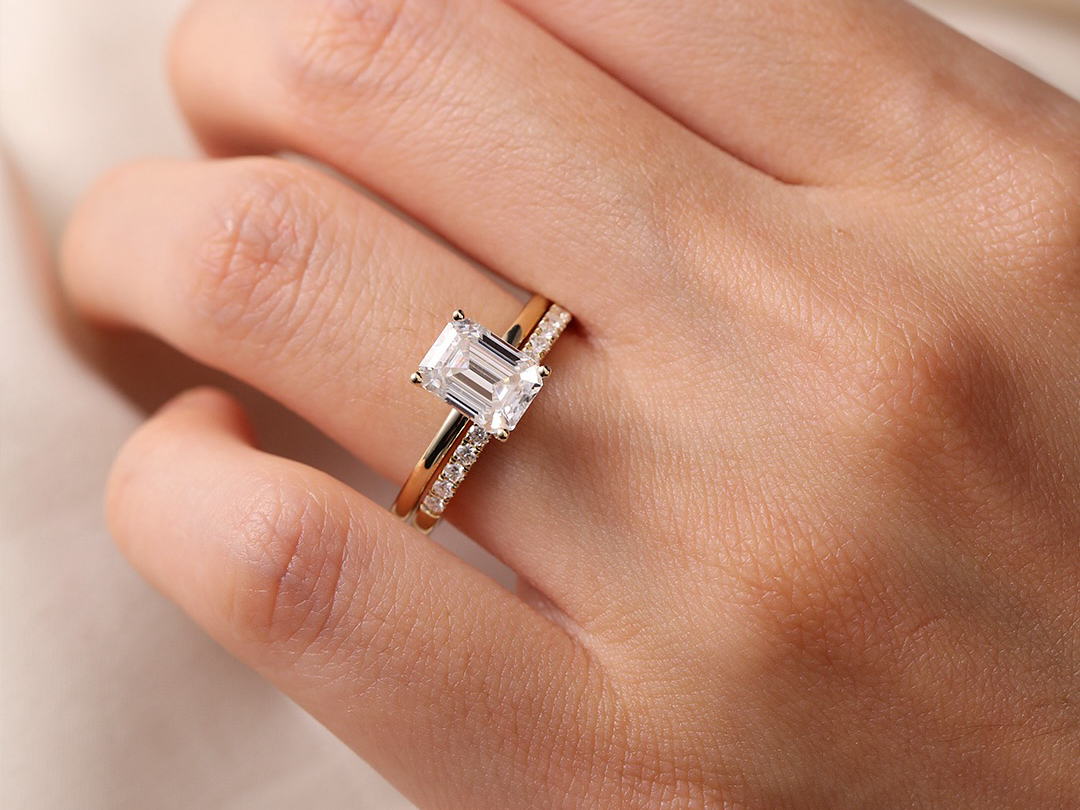
| Emerald Cut Opal Engagement Ring Diamond Cluster Ring for Women Anniversary Gift |
Ethiopian Opal vs. Australian Opal: Which Opal Is Right for You?
Now that you have all the facts, here is our final expert recommendation.
You should buy an Ethiopian opal if...
- Affordability is your main priority, and you want the most "wow" for your money.
- You are buying a piece for special occasions only, like earrings or a pendant.
- You are a careful owner and are willing to perform the high-maintenance care routine.
- You are not buying it as a daily ring.
- You are fascinated by its unique, electric, "3D" fire.
You should buy an Australian opal if...
- You are buying an engagement ring or a piece for daily wear.
- You are looking for a long-term investment or a family heirloom.
- You want a "worry-free" gemstone that won't require constant attention, even when you wash your hands.
- You value rarity, stability, and a 150-year history.
- You are a "set it and forget it" jewelry owner.
Conclusion
At Juyoyo, we believe the best customer is an educated one. Whether you're drawn to the timeless, durable beauty of an Australian opal or the stunning affordability of an Ethiopian opal, you now know an expert to choose the perfect gem for you.
Ready to find your perfect opal? Explore our collection of curated, handmade opal rings!
FAQ: Your Opal Questions Answered
Is Ethiopian Opal as Good as Australian Opal?
It depends on your priorities. Ethiopian opal is equally stunning in terms of color and offers incredible value. However, Australian opal is generally considered the superior and safer choice for long-term durability and daily wear in heirlooms.
How to Tell if Opal is Australian or Ethiopian
Look at the background: Ethiopian opal often has a clear, "glassy" base with floating colors, while Australian opal has a more solid appearance with deep internal fire. For a definitive answer, rely on a certification from a reputable gem lab, as visual identification can be difficult.
Are Ethiopian Opals a Good Choice for an Engagement Ring?
Generally, no. Their hydrophane nature makes them sensitive to water and knocks, which is risky for a ring that is worn daily. For an engagement ring meant to last a lifetime, the superior stability of Australian opals is highly recommended.
How Should I Clean My Ethiopian Opal?
Gently with a soft, dry cloth. Avoid steamers and ultrasonic cleaners. Never soak it in water or harsh chemicals to prevent damage.
Why are Australian Opals so Expensive?
Its price reflects unmatched stability, increasing rarity from historic mines, and its deep, saturated color. It is considered a collector's gem and a proven long-term investment.
Comment