
Is 925 Sterling Silver Worth Buying? Honest Value, Care & Investment Guide
Dec 02,2025 | Juyoyo
Quick Answer:
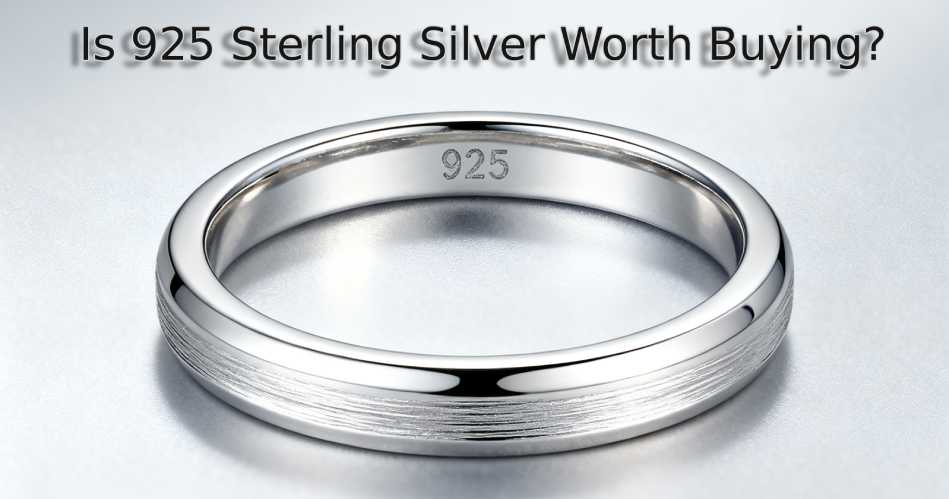
Yes, 925 sterling silver is a worthwhile purchase for jewelry lovers. It is the "king of cost-per-wear" among precious metals, offering exceptional quality, durability, and hypoallergenic properties at an affordable price. Its unique composition of 92.5% pure silver and 7.5% other metals (usually copper) creates jewelry that is durable enough for daily wear yet maintains its value over time.
While searching for your next favorite necklace or engagement ring, you may have paused at the "925 sterling silver" price tag and wondered: Is 925 sterling silver worth buying? The answer is yes. However, the real value of sterling silver goes beyond price. It's also about durability, beauty, and how it fits into your lifestyle.
In this honest, comprehensive guide, we'll explain the true value of silver, debunk tarnishing myths, and offer expert care methods so you can feel confident about your purchase.
Understanding the Foundation: What Is 925 Sterling Silver?
At its core, 925 sterling silver is an ancient solution to a practical problem. While pure silver (999 fine silver) is stunning, it is too soft for functional jewelry. It scratches, bends, and loses its shape with regular wear. Centuries ago, silversmiths discovered that adding 7.5% copper to silver created an alloy that maintained the metal's luminous beauty while gaining the necessary strength and durability.
- The global standard: The ratio of 92.5% pure silver to 7.5% strengthening metal became the internationally recognized standard we now call "sterling silver." The addition of copper does more than strengthen the alloy; it gives it the working properties that allow for intricate designs, secure settings, and lasting wearability.
- Your authenticity guarantee: The hallmarks "S925," "925," "Sterling," and "SS" are legal certifications of composition, not just decorations. At Juyoyo, we verify the hallmarks at the beginning of every curation process because authentic materials form the non-negotiable foundation of value.
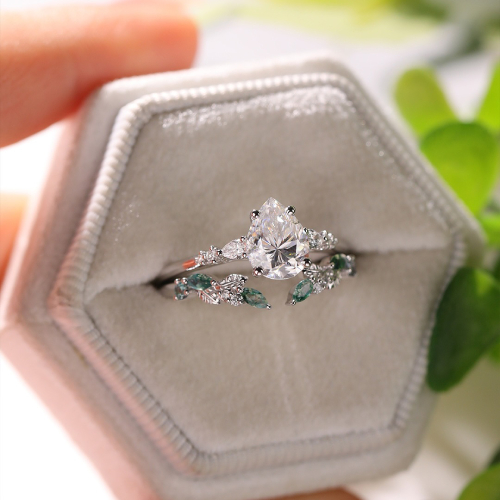
What Does "Worth It" Mean to You?
When investing in quality sterling silver, it's important to distinguish between "fashion investment" and "financial investment."
1. As a Fashion Investment (Daily Wear & Style)
Verdict: highly valuable. Sterling silver is widely considered the best precious metal value for money on the market. It provides the "luxury aesthetic"—that cool, brilliant shine associated with platinum and white gold—without the markup. Often, for the price of one 14k gold ring, you can build a full collection of high-quality sterling silver jewelry, including a ring, necklace, and earrings. It is an investment in your wardrobe that offers daily confidence and longevity.
2. As a Financial Investment (Resale Potential)
Verdict: Low return. If your goal is to make a profit, sterling silver jewelry is not the right investment. Unlike gold, which retains a high percentage of its value based on weight, a $100 silver ring means you are primarily paying for the craftsmanship, brand, and gemstone setting, not just the metal. While sterling silver has intrinsic scrap value, see concrete price examples and resale expectations at: "How Much is 925 Sterling Silver Worth? Reveal the Value."
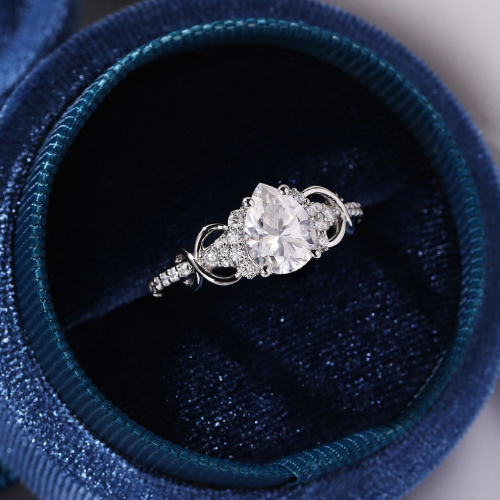
Is 925 Sterling Silver Worth Buying? The 5 Key Advantages of 925 Sterling Silver
Why do millions of people choose this metal? Here are the facts about its quality:
1. Durability & Longevity
925 sterling silver is made of 92.5% silver and 7.5% alloy, typically copper. This alloy creates a hard, durable metal that can withstand the realities of daily life—such as keyboard contact, accidental bumps, and active lifestyles—far better than pure silver or even some gold alloys. This combination creates unique value in the jewelry market.
2. Affordability That Doesn't Compromise Quality
Sterling silver offers the weight, feel, and prestige of precious metal jewelry at a fraction of the cost of gold. This accessible price point allows you to build a coordinated collection, purchase statement pieces, or buy quality gifts without financial strain—all while maintaining the "fine jewelry" experience.
3. Hypoallergenic Properties (Safe for Sensitive Skin)
"Is sterling silver good for sensitive ears?" The answer is a resounding yes, provided it is nickel-free. High-quality 925 silver does not contain nickel, the number one cause of contact dermatitis and skin allergies in jewelry wearers. At Juyoyo, we specifically test and select pieces for skin compatibility.
4. Versatility & Style
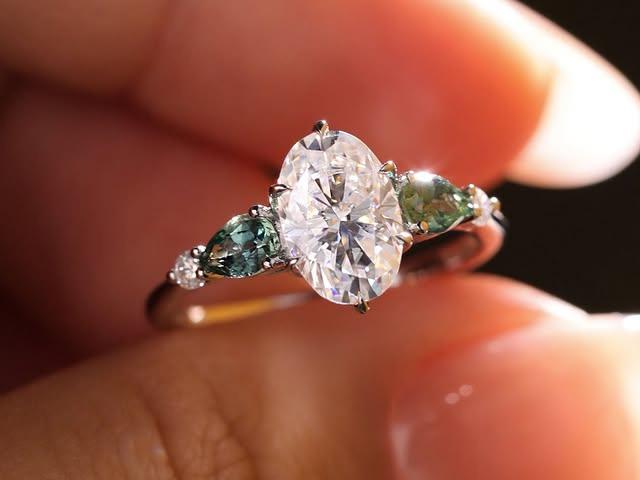
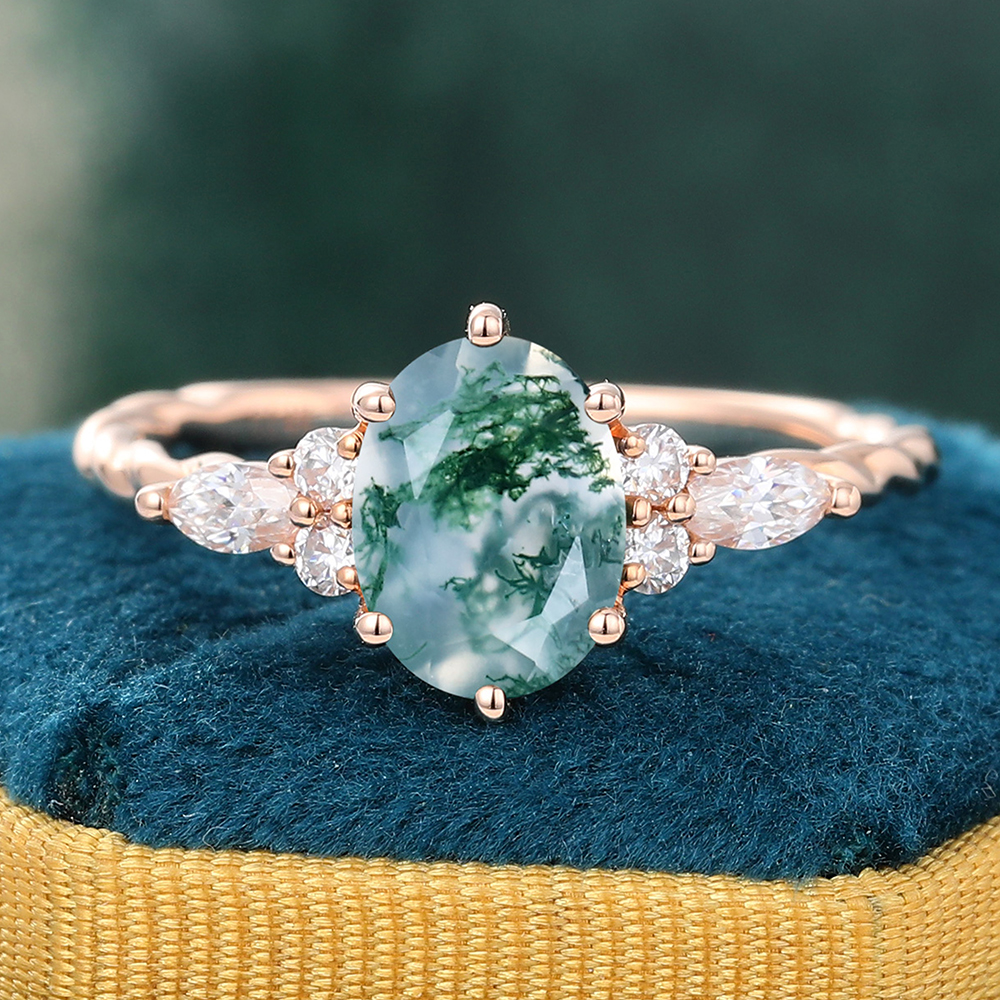
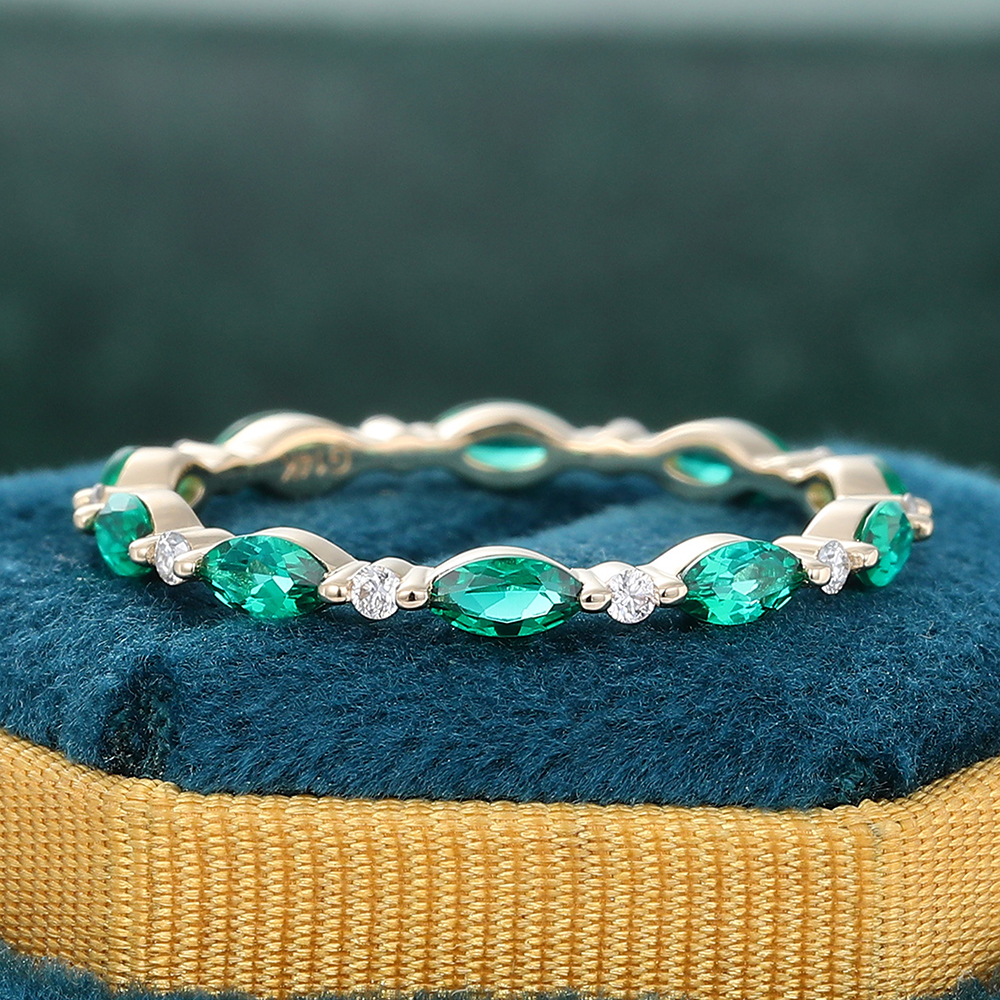
Silver is a neutral color that complements any outfit. Its bright white color makes it the preferred metal setting for colorful gemstones, such as emeralds, sapphires, and moissanites, because it allows the stone's true color to stand out without the warm yellow reflection of gold.
5. Lasting Value Beyond Trends
Unlike fashion jewelry, which depreciates immediately, sterling silver maintains its intrinsic material and design value. Timeless pieces become wearable assets that can be passed down, repurposed, or traded. This product's primary function is not as an investment tool, but its ability to retain its value sets it apart from typical, disposable accessories.
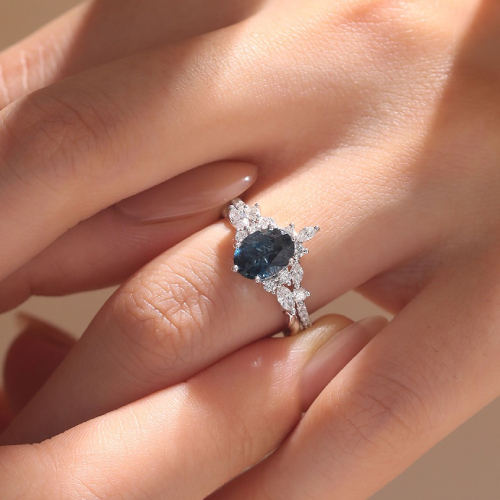
Practical Considerations: Dealing with Tarnish & Maintenance
These are the practical questions that often cause buyers to hesitate.
Does Sterling Silver Tarnish?
Yes, it can. Silver reacts with sulfur and moisture in the air, which causes it to oxidize and turn black. However, this is not a sign of poor quality; it is actually proof that your silver is real. Fake stainless steel doesn't tarnish, but it lacks the value and luster of a precious metal.
Does Sterling Silver Turn Green? (The Copper Reaction)
Silver itself does not turn your skin green. The discoloration, which is often bluish-green, is caused by the copper in the 7.5% alloy reacting with moisture, sweat, lotions, or high skin acidity (pH level). This rarely happens with high-quality, pure 925 silver. You can almost entirely eliminate this risk by choosing rhodium-plated silver because the rhodium layer acts as an impermeable barrier between the copper alloy and your skin.
How Do I Clean and Prevent Tarnish?
- Prevention: Store your jewelry in a cool, dry place. Ideally, use an anti-tarnish cloth pouch or a sealed bag. Remove jewelry before swimming, cleaning, or exercising, as chlorine, chemicals, and sweat can accelerate tarnishing.
- Cleaning: For light tarnish, use a silver polishing cloth. Gently rub to restore shine. For heavier tarnish, mix a drop of mild dish soap with warm water. Use a soft-bristled toothbrush to clean crevices. Thoroughly dry with a lint-free cloth. Avoid harsh chemicals or toothpaste, as these can scratch the surface.
- Rhodium Plating: Many high-end silver pieces are rhodium-plated, a metal from the platinum family. This acts as a protective shield, preventing tarnish and the copper reaction.
- Wear It More: Ironically, the oils in your skin help clean the silver and prevent tarnish. The more you wear it, the better it looks!
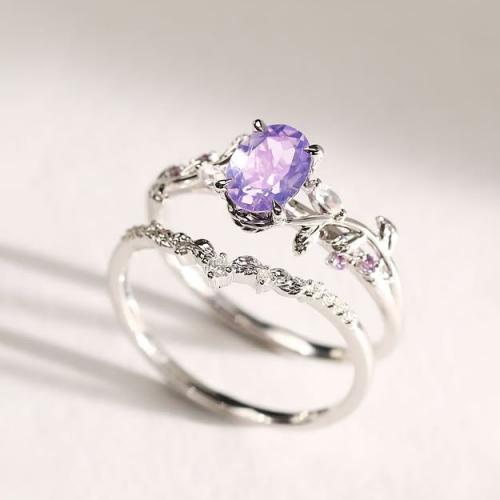
Pros and Cons of 925 Sterling Silver Jewelry
✅ Pros
- Affordable Luxury: It offers the look of a precious metal without the high cost of gold or platinum.
- Durability: It is stronger than pure silver and suitable for everyday wear.
- Hypoallergenic: Safe for sensitive skin, unlike nickel or brass.
- Timeless Appeal: Its classic shine pairs with any style.
- Intrinsic Value: Contains 92.5% pure silver for real worth and design craftsmanship.
- Longevity: With proper care, these pieces can last a lifetime and become heirlooms.
❌ Cons
- Tarnish: Natural oxidation requires occasional cleaning and careful storage.
- Softer than Gold/Platinum: They can scratch if exposed to rough use.
- Counterfeits: Silver-plated items resemble genuine sterling silver but are less durable. Always check for the "925" stamp.
- Not Ideal for Investment: It holds less resale value than gold or platinum.
Comparison: Sterling Silver vs. White Gold vs. Stainless Steel
| Feature | 925 Sterling Silver | Pure Silver (999) | White Gold | Stainless Steel |
|
Core Positioning |
The Balanced Choice: Precious metal luxury at an accessible price. |
Ultimate Purity: The highest silver content for material purists. |
Traditional Luxury: The classic, prestigious precious metal choice. |
Utilitarian Toughness: A high-performance, industrial metal. |
|
Price Range (USD) |
$$ ($50 - $250) |
$$$ ($100 - $500+) |
$$$$$ ($500 - $5,000+) |
$ ($20 - $100) |
|
Durability |
High: The 7.5% alloy creates a strong, durable metal perfect for daily wear. |
Very Low: Extremely soft, scratches and dents easily. Not suited for rings or bracelets. |
Very High: A very hard and scratch-resistant alloy, ideal for lifelong pieces like engagement rings. |
Exceptional: The hardest of the four, nearly impossible to scratch or deform under normal use. |
|
Maintenance |
Moderate: Will tarnish and requires occasional polishing with a special cloth. |
High: Tarnishes quickly and requires careful handling to prevent damage due to softness. |
Moderate: Rhodium plating can wear off over 1-3 years, requiring replating to maintain bright white color. |
None: Does not tarnish or corrode. Can be cleaned with soap and water. |
|
Value Proposition |
Excellent Value: Retains intrinsic precious metal value plus artistic merit. Great cost-per-wear. |
Material Value: Value is almost solely in its bullion (silver) content, not craftsmanship. |
Luxury & Prestige: High intrinsic (gold) value, significant brand/craftsmanship premium, and status. |
Functional & Affordable: Value is in its utility and design; negligible intrinsic material value. |
|
Best For |
Smart shoppers who want real precious metal jewelry, versatile style, and durability without a luxury price tag. |
Silver investors and collectors who prioritize metal purity over wearability. |
Those seeking traditional heirloom pieces (like engagement rings) and for whom budget is secondary to prestige. |
Anyone needing ultra-durable, zero-maintenance jewelry for active lifestyles, work, or sports. |
Key Takeaway: If you want a precious metal that looks and feels valuable but fits your budget, sterling silver is the clear winner.
Final Verdict: Is Sterling Silver Worth It For You?
925 sterling silver is a worthwhile purchase because it offers affordable luxury, durability, and timeless appeal. Whether you’re building a jewelry collection or looking for a statement piece, sterling silver offers unmatched value. With Juyoyo, you're not just buying silver; you're investing in authentic designs that will last a lifetime.
FAQs
Is Sterling Silver Suitable for Engagement or Wedding Rings?
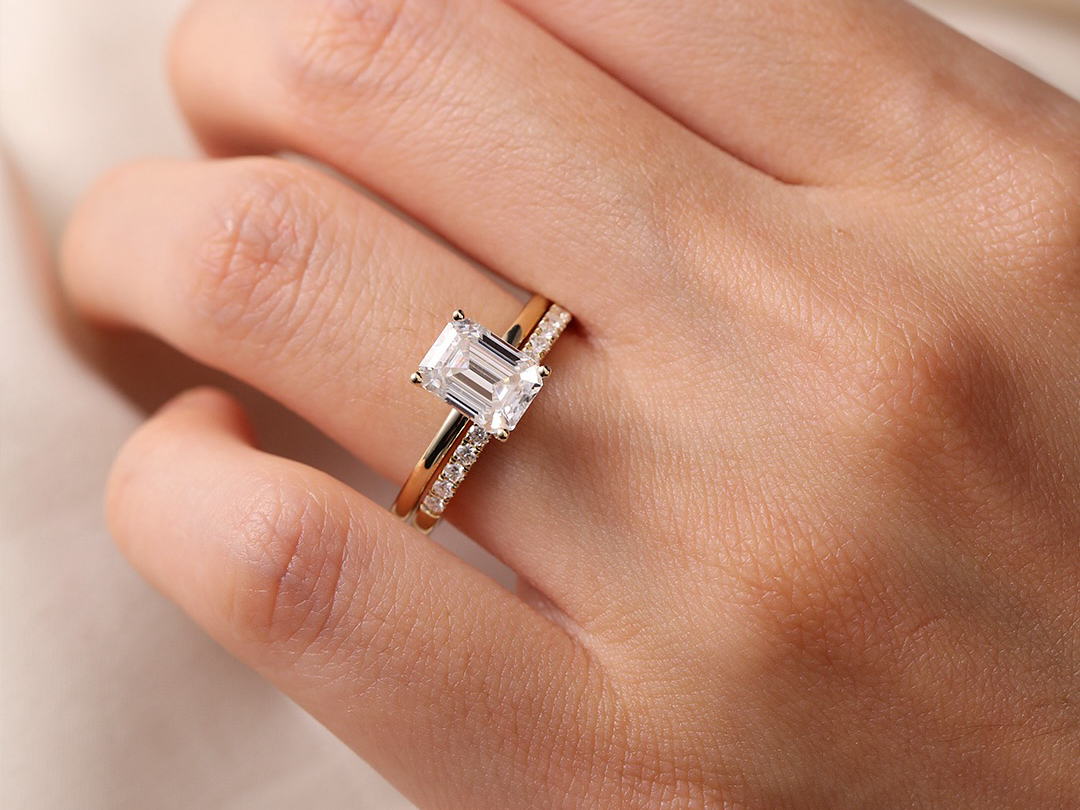
Yes, with a few considerations. Its affordability enables more elaborate designs, and its durability withstands daily wear. Many people choose sterling silver for its symbolic value—silver represents clarity and reflection—and for its practical comfort. To ensure the ring can be worn for a lifetime, make sure it is rhodium-plated to protect the finish.
How Can I Tell if My Silver Is Real?
Look for the stamp. Real sterling silver is almost always stamped with one of the following: 925, S925, or Sterling. If you don't see a stamp, proceed with caution. All Juyoyo silver jewelry is hallmarked as authentic. For pieces made abroad, you may see an "ITALY" stamp. This stamp refers to the jewelry's manufacturing origin, not its composition.
Does 925 Sterling Silver Turn Your Skin Green?
It depends. A "green finger" is caused by the copper content reacting with your skin's acidity level or lotions. Higher-quality alloys reduce this reaction, and keeping your skin dry before wearing the jewelry helps prevent discoloration. Any discoloration washes off easily with soap and water.
Can You Wear 925 Sterling Silver in the Shower?
Technically, yes; water itself won't hurt silver. However, the chemicals in shampoos, soaps, and especially chlorinated pool water can accelerate tarnishing. To keep that "brand new" shine longer, we recommend taking it off before showering. If you do shower with it, make sure to dry it thoroughly afterwards.
Comment