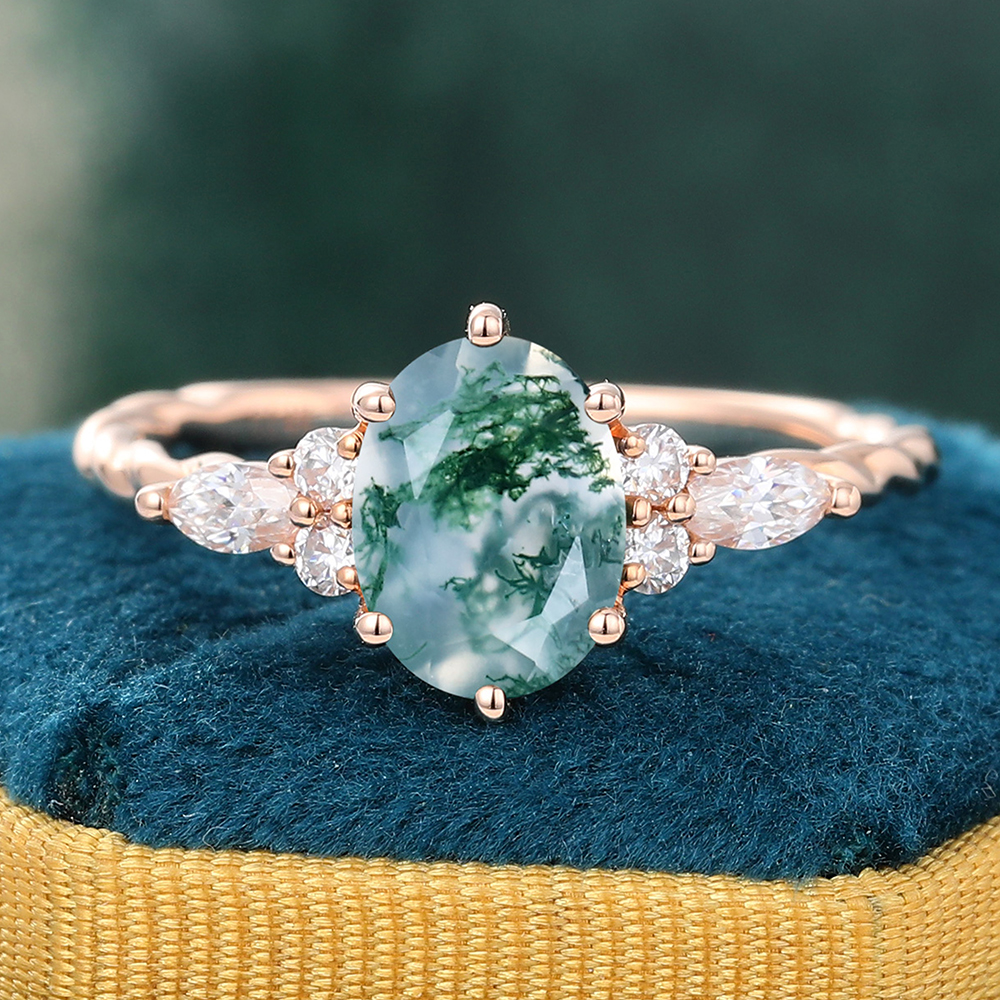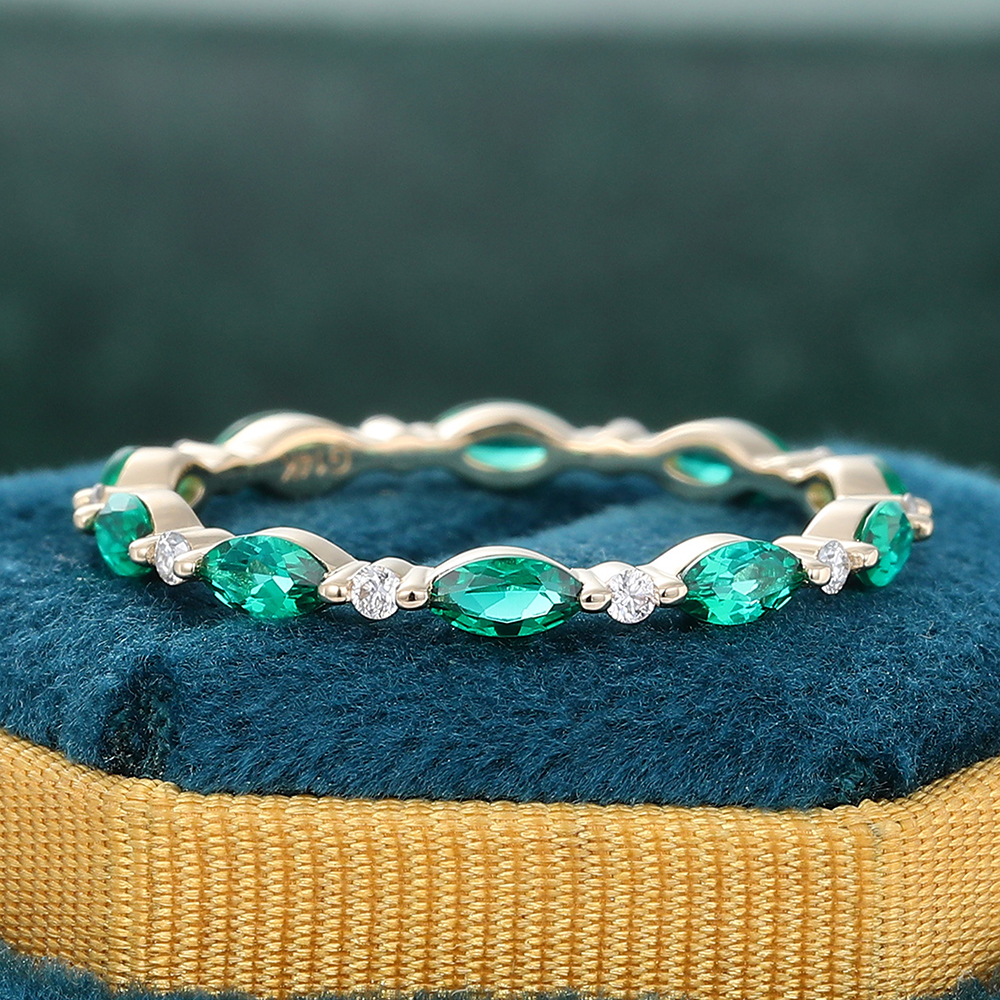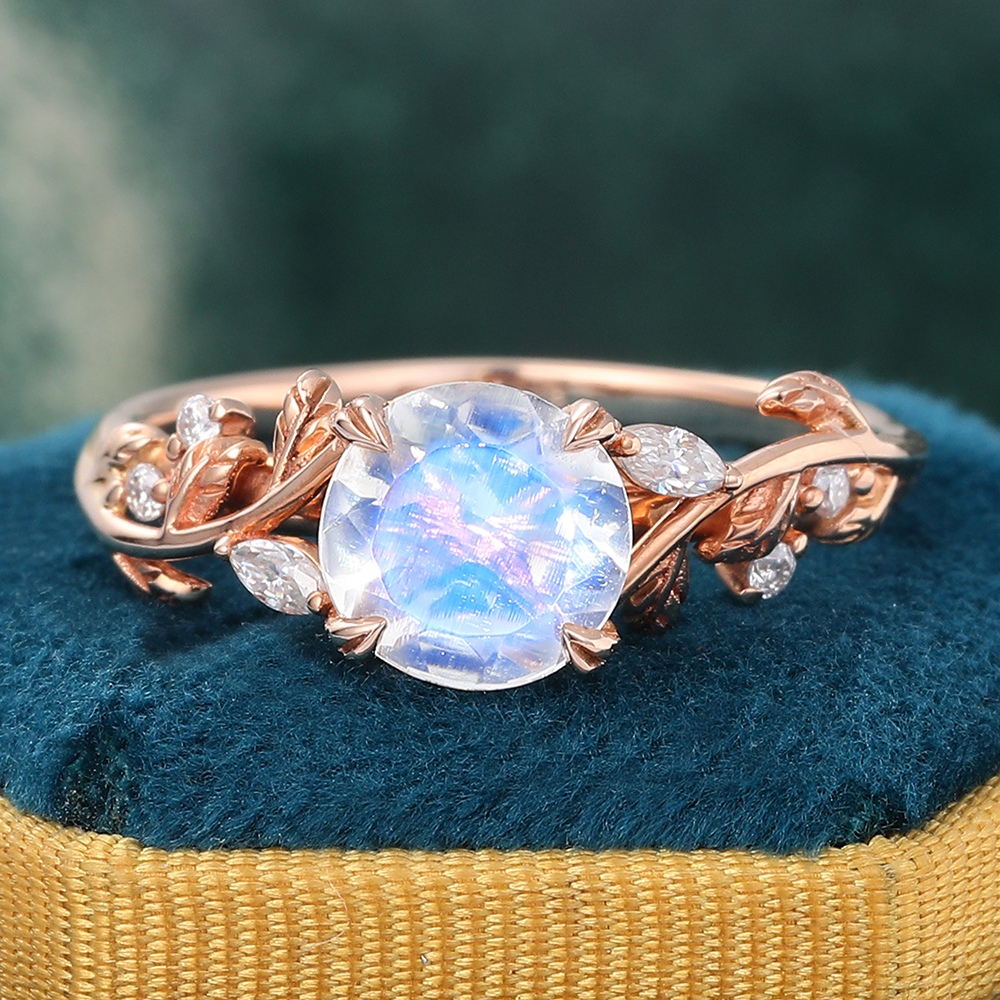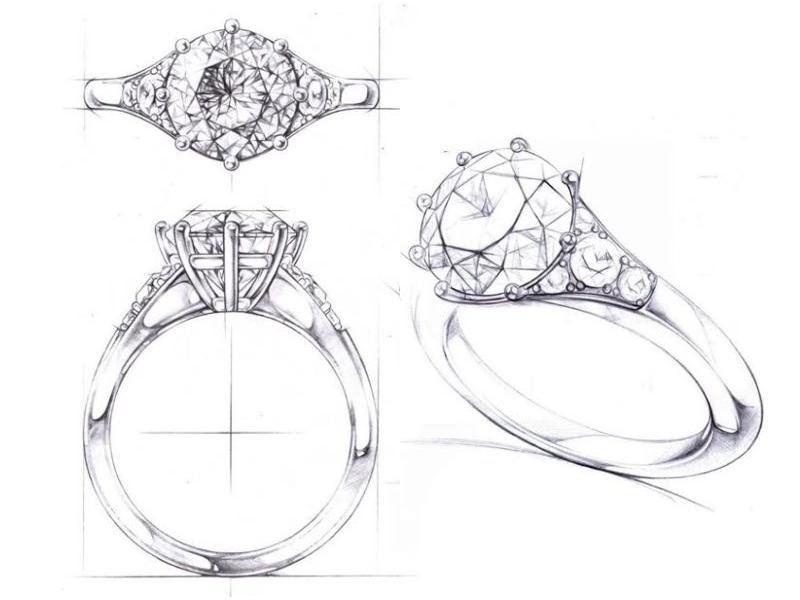

Moissanite Hardness: Will it Scratch or Fade Over Time?
Jan 01,2026 | Juyoyo
Quick Answer
No, moissanite does not fade or change color over time, and it is difficult to scratch during everyday wear. With a Mohs hardness of approximately 9.25, moissanite is harder than sapphire and resistant to almost all common household materials. Any perceived dullness is temporary and caused by surface oils that can easily be cleaned away.
As more people consider wearing a moissanite ring for life, one critical question keeps coming up: Will it scratch or fade over time? The clear answer is no.
Moissanite is physically incapable of fading and remarkably resistant to scratches. Because it is a silicon carbide crystal, its structure is nearly as rigid as a diamond's, ensuring that your jewelry will remain as sparkling on your 50th anniversary as it was on your wedding day.
This guide utilizes gemological science to address your concerns about the durability and long-term care of moissanite.
Understanding Moissanite Hardness: What Does 9.25 Mean?
The Mohs scale measures a gemstone’s resistance to scratching, not its strength or brittleness.
Moissanite ranks between 9.25 and 9.5 on the Mohs scale, which makes it harder than sapphire, ruby, and emerald. This means that, in the hierarchy of minerals, only diamonds (at 10) are hard enough to leave a permanent scratch on their surface.
To put this into perspective, let’s look at how moissanite compares to other popular gemstones.
|
Gemstone |
Mohs Hardness |
Scratch Resistance |
|
Diamond |
10 |
Excellent (Hardest) |
|
Moissanite |
9.25 – 9.5 |
Excellent (Second Hardest) |
|
Sapphire / Ruby |
9 |
Very Good |
|
Cubic Zirconia |
8 – 8.5 |
Good (Prone to scratches) |
|
Emerald |
7.5 – 8 |
Fair (Prone to chipping) |
|
Quartz (Dust) |
7 |
Common household abrasive |
Key Takeaway: In practical terms, everyday hazards pose no threat. Common culprits, such as metal keys, kitchen countertops, sand, and glass, cannot scratch moissanite. Only diamonds or specialized industrial tools can scratch a moissanite ring.
Does Moissanite Scratch? (Daily Wear Reality)
Moissanite is extremely scratch-resistant during normal daily wear.
What Scratches What?
The principle is straightforward: Only something harder can cause a scratch. Since moissanite is harder than virtually everything it will encounter in daily life—from ceramic cookware to accidental bumps against walls—its surface will remain polished and smooth for decades.
Real-World Anecdotes vs. Lab Evidence
Moissanite does not scratch in daily wear; reported damage cases almost always involve impact, not surface wear.
Anecdotal Evidence:
In jewelry forums and user reviews, a few owners report chips or cracks after accidental drops or hard knocks. These experiences are often misinterpreted as scratching. At the same time, long-term wearers consistently report years of daily use with no visible scratches, color change, or permanent loss of sparkle—only temporary dullness from surface oils.
Lab Testing:
Gemological testing confirms that moissanite (Mohs 9.25-9.5) is harder than sapphire and cannot be scratched by common household materials. Scratching requires a diamond or industrial abrasive, while chips result from a sharp impact.
Conclusion:
User anecdotes reflect rare impact incidents, and lab data confirms exceptional scratch resistance. Under normal wear conditions, moissanite remains smooth, durable, and visually unchanged for decades.
Moissanite vs. Sapphire: Which Holds Up Better to Daily Wear?
Yes, moissanite is slightly more scratch-resistant than sapphire, which matters for rings worn daily.
While sapphire ranks at 9 on the Mohs scale, moissanite's higher hardness (9.25-9.5) provides better long-term resistance to surface abrasion from daily contact over the years.
This slight difference is why moissanite is often preferred over sapphire for everyday wear engagement rings.
 |
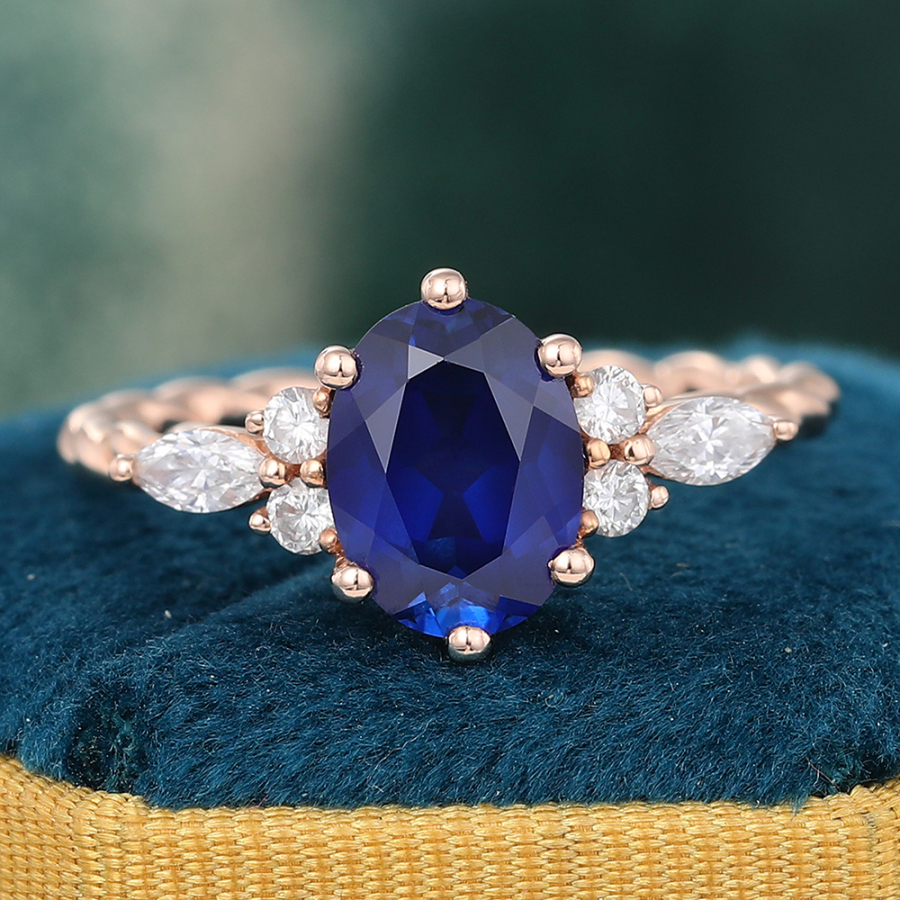 |
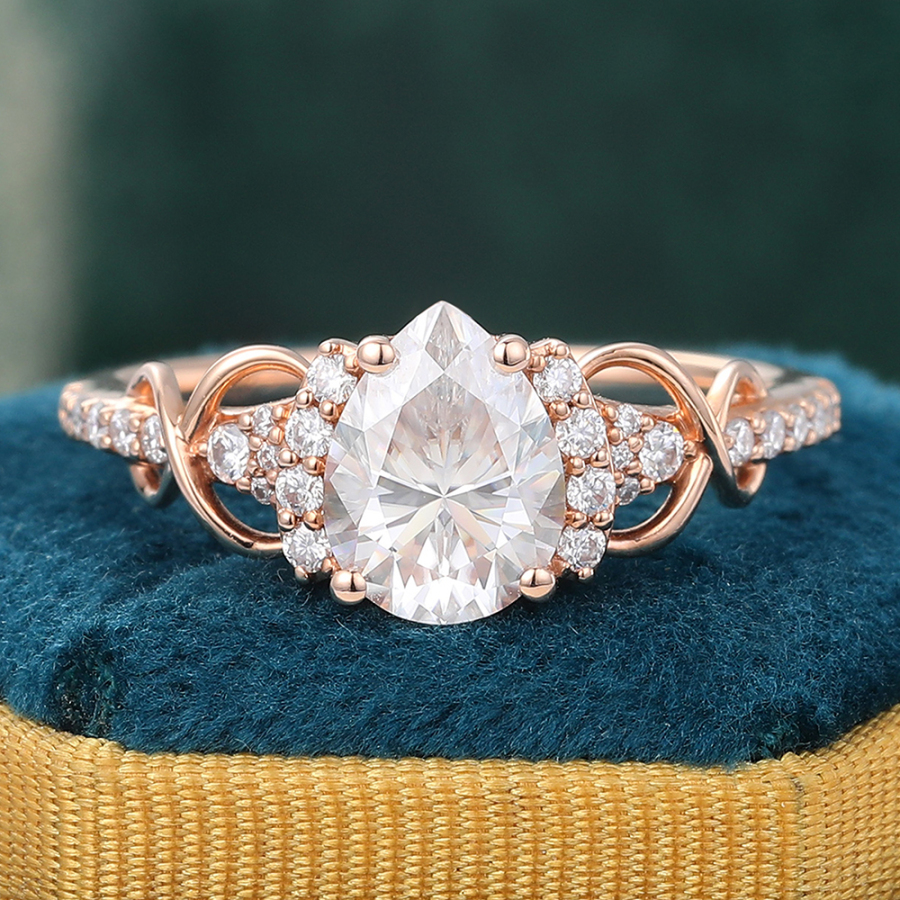
| Pear Cut Moissanite Engagement Ring Rose Gold | Oval Cut Lab Sapphire Rose Gold Twisted Engagement Ring |
Will Moissanite Fade, Yellow, or Lose Sparkle Over Time?
Moissanite is chemically inert, so its color and brilliance are permanent properties that will never degrade under normal environmental conditions.
It is composed of silicon carbide, a compound with exceptional chemical stability.
Its refractive index of 2.65-2.69, higher than that of a diamond, remains unchanged unless exposed to temperatures above 1100℃, which is far beyond normal wearing conditions.
In other words, its brilliance is permanent.
The “Oil Slick” Phenomenon
Many owners worry, "Does moissanite get cloudy?" The answer lies in a surface phenomenon, not an internal one. If your moissanite looks "cloudy" or "dull," it isn't fading; it's likely experiencing the "oil slick" phenomenon.
Moissanite is lipophilic, or oil-loving. Over time, soaps, lotions, and skin oils can create a thin, iridescent film on the surface.
The most critical point of reassurance is that this cloudiness is 100% temporary and reversible. The stone beneath is as perfect as the day you bought it. It simply needs to be cleaned. It's similar to how a dirty window obscures the view. A simple cleaning is the solution.
How to Fix a Dull-Looking Moissanite Ring
- Soak in warm water with mild dish soap
- Gently brush with a soft toothbrush
- Rinse and dry with a lint-free cloth
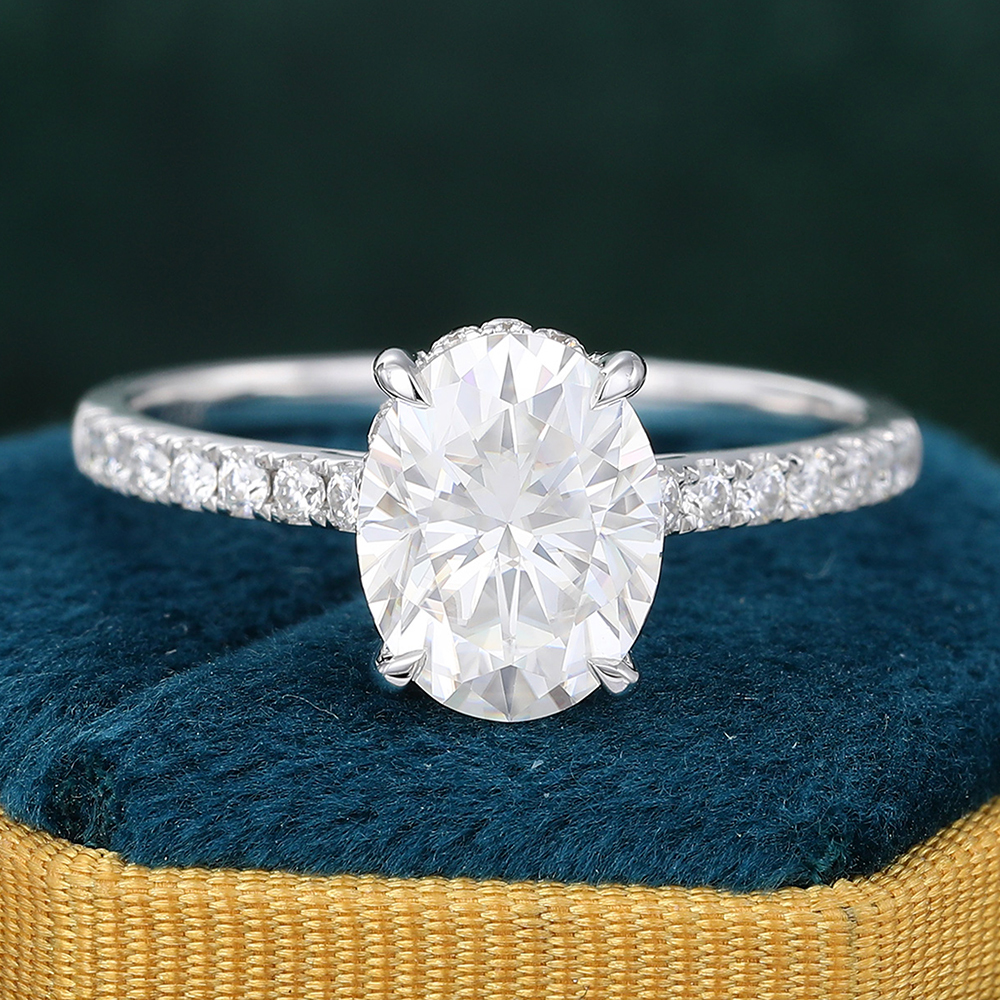 |
| Moissanite Hidden Halo Engagement Ring 4 Claw Prongs Wedding Anniversary Promise Ring |
Toughness vs. Hardness: Why Hard Does Not Mean Unbreakable
Hardness measures scratch resistance, while toughness measures resistance to breaking.
Although moissanite ranks very high in hardness, it can be brittle under sharp impact, like diamond.
This is not a flaw; it is a property shared by all ultra-hard gemstones.
In scientific terms, moissanite has a fracture toughness of approximately 2.4 MPa·m¹/². This is significantly higher than most gems, but moissanite is not "indestructible."
- Hardness = Scratching (Moissanite excels here).
- Toughness = Cracking (Moissanite is very durable, but physics still applies).
Because edge protection is important for long-term durability, we design our settings at Juyoyo to shield the stone's vulnerable points—balancing beauty with structural security.
Moissanite vs. Cubic Zirconia (CZ): The Longevity Difference
The main difference is that CZ is unstable. It will eventually turn milky and yellow and become covered in tiny scratches.
|
Feature |
Moissanite |
Cubic Zirconia |
|
Mohs Hardness |
9.25 |
8–8.5 |
|
Chemical Stability |
Very high |
Moderate |
|
Long-term Clarity |
Stable |
Can turn cloudy |
|
Color Change |
No |
Possible yellowing |
Many people choose cubic zirconia (CZ) to save money, only to find that within a year, the stone looks "dead." Moissanite's superior hardness (9.25 versus cubic zirconia's 8) and chemical stability mean it will never undergo the clouding process that plagues cubic zirconia. Choosing moissanite means investing in a piece that will never need to be replaced.
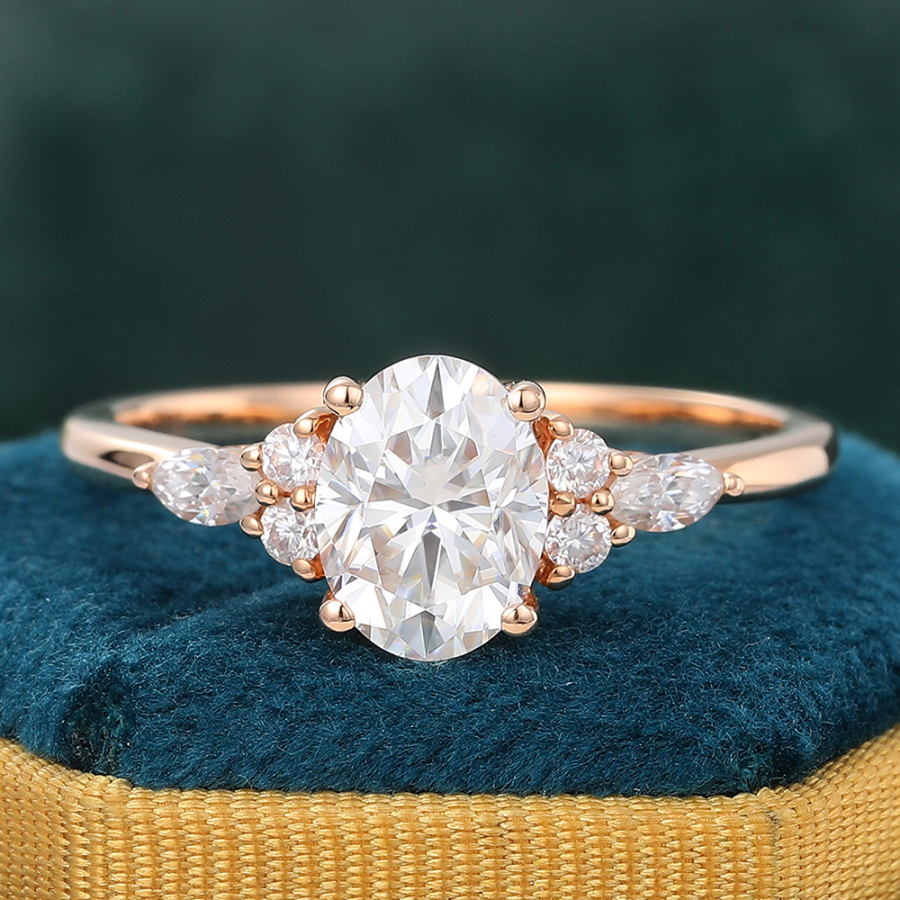 |
| 6x8mm Oval Moissanite Engagement Ring with Diamond Accents |
Practical Maintenance: How to Keep Your Moissanite Looking New
The only maintenance required to maintain your moissanite’s “brand new” glow is regular cleaning to remove surface oils. All you need are simple household items to combat the oil-slick effect and keep the facets sparkling.
Daily Do's and Don'ts
- Do take it off when using harsh chemicals (bleach, chlorine in pools, and strong cleaners).
- Remove it during rough physical activities such as sports, gardening, or construction.
- Do store it separately in a soft pouch to prevent contact with other jewelry.
- Don't let lotions, hairspray, or makeup build up on the stone. Put your jewelry on last when getting ready.
Cleaning Recipe and Frequency
- For daily wear, clean every 1-2 weeks.
- Ultrasonic cleaners are generally safe for well-set stones.
- Always periodically inspect settings.
Conclusion: Is Moissanite Durable Enough for You?
Moissanite has been scientifically and practically proven to be an extremely durable gemstone for lifelong jewelry. It will not scratch from daily wear, fade in the sun, or turn yellow.
If you are seeking long-term beauty without compromise, choose a moissanite piece from Juyoyo, a brand focused on precision cutting, verified materials, and transparent sourcing. Your moissanite jewelry is an heirloom-quality investment that will endure with timeless sparkle.
Moissanite Durability and Hardness FAQ
Will Moissanite Scratch My Wedding Ring?
Yes, if your wedding band is made of gold or platinum, the stone can scratch the metal. Since moissanite is harder than precious metals, make sure your rings fit properly so they don't rub against each other too much.
Does Moissanite Go Cloudy?
No, moissanite does not become cloudy internally. Any "cloudiness" is almost always a surface film caused by lotions or oils and can be easily cleaned.
Do Moissanite Rings Lose Sparkle Over Time?
Moissanite never loses its ability to sparkle. Its "fire" is a permanent physical property. If your ring looks less sparkly, it simply needs a bath in warm, soapy water.
Can I Swim with a Moissanite Ring?
Yes, moissanite is impervious to pool chlorine and saltwater. However, we recommend removing your ring to prevent it from slipping off and to protect the metal setting from long-term exposure.
Is Moissanite Harder Than a Lab Diamond?
No, lab-grown diamonds are chemically identical to natural diamonds and rank a 10 on the Mohs scale. Moissanite is the second hardest, with a rating of 9.25.
Is Moissanite Good for an Engagement Ring?
Absolutely. Due to its hardness of 9.25 and incredible refractive index, moissanite is the best alternative to a diamond for an engagement ring intended for everyday, lifelong wear.
Also Read
How to Choose the Perfect Moissanite Engagement Ring
How to Properly Care of Moissanite Ring
Comment