
Is Gold Plated Jewelry Worth Anything? An Honest Look at the Pros and Cons
Aug 28,2025 | Juyoyo
In recent years, gold-plated jewelry has become increasingly popular, offering the luxurious look of gold without the hefty price tag. But is it actually worth your money? Is it a savvy style investment, or a fast-fashion fling destined to tarnish?
In this guide, we’ll explain what gold-plated jewelry is, its pros and cons, how it compares to other gold options, and how to make it last longer. By the end, you’ll know if it’s the right choice for your style, budget, and lifestyle.
Table of Contents
- What is Gold-Plated Jewelry?
- The Pros of Gold-Plated Jewelry
- The Cons of Gold-Plated Jewelry
- How Long Does Gold-Plated Jewelry Last?
- Gold Plated vs. Gold Vermeil vs. Gold Filled
- How to Care for Gold-Plated Jewelry to Make It Last Longer
- Who Should Buy Gold-Plated Jewelry?
- Is Gold Plated Jewelry Worth It?
- The Juyoyo Difference: Affordable Luxury, Elevated
- Final Thoughts
- Frequently Asked Questions
What is Gold-Plated Jewelry?
Before we can judge its worth, we need to understand what it is. Unlike solid gold, which is an alloy of gold, gold-plated jewelry is a composite.
It is made by applying a thin layer of gold to a base metal, such as brass, copper, or sterling silver. This process is called electroplating, which involves using an electric current to bond the gold to the base metal.
The key takeaway here is the word "thin." A standard piece of gold-plated jewelry might have a gold layer only 0.5 to 2.5 microns thick. A micron is one-millionth of a meter. This microscopic layer gives the piece its golden appearance, but its thinness is also central to its biggest drawbacks.
It's important to distinguish gold plating from other gold alternatives.
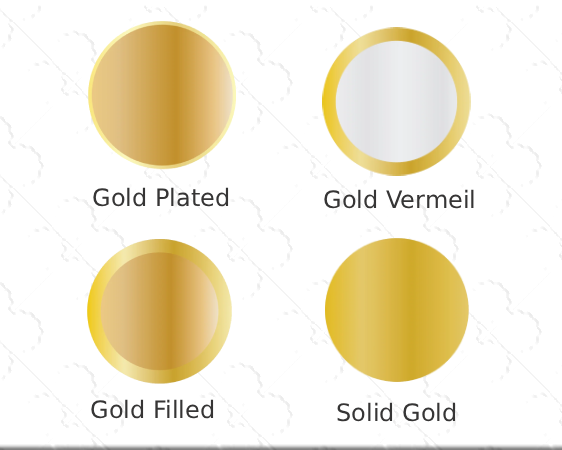
- Gold Vermeil: A thicker coating of gold (at least 2.5 microns) over sterling silver.
- Gold Filled: A much thicker gold layer (100+ times thicker than plating) that is mechanically bonded to a base metal.
- Solid Gold: Exactly what it sounds like- jewelry made entirely of gold.
The Pros of Gold-Plated Jewelry
Gold-plated pieces are everywhere for a reason. They offer some truly compelling advantages.
Unbeatable Affordability
The most significant advantage of gold-plated jewelry is its affordability; it's cheaper than solid gold jewelry. It allows you to enjoy the luxurious look of gold without making a significant financial commitment. For the price of one modest solid gold piece, you could own an entire collection of gold-plated necklaces, rings, and earrings, giving you the freedom to accessorize for any occasion.
Variety of Designs
Manufacturers can create more diverse designs with base metals than with pure gold because pure gold is relatively soft. This means you can find gold-plated jewelry with more intricate and detailed designs that would be impractical in solid gold. From chunky statement chains to delicate, layered necklaces, you can experiment with new styles without worrying about a piece going out of fashion next season. It’s the perfect way to keep your look fresh and modern.
The Look of Luxury
A high-quality gold-plated piece is visually indistinguishable from a solid gold one when it’s new. It has the same shine, color, and feel. It allows you to present a polished, high-end image and enjoy the confidence that comes with wearing beautiful jewelry.
Lightweight Comfort
Gold-plated pieces are often lighter than solid gold, making them comfortable for all-day wear, especially larger statement pieces that would be heavy if made from solid gold.
Trend-Friendly Options
Fashion trends change rapidly. Gold-plated jewelry allows you to stay current without a big financial commitment. When those chunky chain necklaces or statement earrings go out of style, you won't feel bad about putting them in the back of your jewelry box.
The Cons of Gold-Plated Jewelry
Now for the honest truth. While gold-plated jewelry is great for the price and style, there are limitations you should know about.
Durability Limitations
Gold-plated jewelry is not a "forever" piece. The thin gold layer will eventually wear away, revealing the base metal underneath. Once exposed, the base metal may tarnish or lose its golden shine. The rate of wear is also affected by factors such as wear frequency, body chemistry, and the quality of plating.
However, with regular wear, you can expect it to last anywhere from a few months to a couple of years before showing significant signs of wear.
Tarnishing and Discoloration
The thin layer of gold is vulnerable. Over time, friction from your skin and clothing, as well as exposure to moisture, perfumes, lotions, and the oils on your skin, can cause the gold to wear away. Once thinned, the base metal underneath is exposed to the air and can oxidize, resulting in tarnishing and discoloration. This often manifests as dark spots or a color change where the base metal becomes visible.
Potential for Skin Irritation
This is a critical consideration for anyone with sensitive skin. To keep costs down, many manufacturers use base metals containing nickel, a common skin allergen. While the gold layer provides a barrier, once it wears away, the nickel can come into direct contact with your skin and potentially cause redness, itching, and rashes.
Lower Resale Value
Unlike solid gold, gold-plated jewelry has little to no resale value. This is because the amount of gold in gold-plated jewelry is minuscule.
Maintenance Requirements
Unlike solid gold jewelry, which can be professionally repaired, polished, or resized, gold-plated pieces have very limited repair possibilities. Once the plating wears off, the piece usually cannot be restored to its original condition. They require extra care to maintain their appearance.
Not Water-Resistant
Gold-plated jewelry should never be worn in water. Showering, swimming, or excessive sweating can accelerate deterioration. The chemicals in pools, hot tubs, and even tap water can damage the thin gold layer.
How Long Does Gold-Plated Jewelry Last?
This is one of the most important questions buyers have, and the honest answer is that it varies dramatically. The lifespan of a gold-plated piece can range from a few months to several years, depending on three key factors.
- Thickness of the Plating: Jewelry with thicker plating (above 1-2 microns) or an additional protective coating can last three years or more with careful handling.
- Heavy Daily Wear: If worn daily, especially in contact with water, sweat, or cosmetics, the gold layer may begin to fade within six to twelve months.
- Care & Storage: Proper storage away from air and moisture is essential for longevity. Pieces tossed on a bathroom counter will deteriorate quickly.
Continue reading: How Long Does Gold Plated Jewelry Really Last? (The Data-Backed Truth)
Gold Plated vs. Gold Vermeil vs. Gold Filled
To put things in perspective, here's how gold plating compares to other options:
| Feature | Gold Plated | Gold Vermeil | Gold Filled | Solid Gold |
| Base Metal | Brass, Copper, Zinc Alloy | 925 Sterling Silver | Jewelers' Brass | Gold Alloy |
| Gold Layer | 0.5-1.0 microns (very thin) | Minimum 2.5 microns (thick) | At least 5% of total weight (very thick) | Throughout the piece |
| Process | Electroplating | Thick Electroplating | Heat & Pressure Bonding | N/A |
| Durability | Low; prone to tarnish/fade | Good; much more durable than standard plating | High; tarnish-resistant, long-lasting | Very High; an heirloom |
| Price | $ | $$ | $$$ | $$$$ |
| Hypoallergenic? | Depends on base metal | Yes (Sterling silver base) | Generally yes | Yes |
How to Care for Gold-Plated Jewelry to Make It Last Longer
Here are proven methods to help your gold-plated jewelry last longer:
- Last On, First Off: Put your jewelry on after applying lotions, perfumes, hairspray, and makeup. Take it off first before changing clothes.
- Avoid Moisture: This is the golden rule. Remove your jewelry before showering, swimming, or working out. Water and sweat can quickly break down the gold layer.
- Store It Safely: When you're not wearing a piece, store it in a soft pouch or a separate compartment of a jewelry box to prevent scratching and tangling.
- Clean Gently: Never use harsh chemical cleaners. Simply wipe your jewelry with a soft, dry microfiber cloth after each wear to remove oils and dirt.
- Rotate Your Collection: Avoid wearing the same piece daily to reduce wear patterns.
Who Should Buy Gold-Plated Jewelry?
Based on our experience at Juyoyo, gold-plated jewelry is ideal for those who:
- Those who love experimenting with styles and trends.
- Those who want the look of gold without the high price.
- Those who need statement pieces for occasional wear.
- Those building a starter jewelry collection.
However, it may not be the best choice if you:
- Have sensitive skin or metal allergies.
- Want a piece that will last for decades.
- Prefer jewelry with high resale value.
Is Gold Plated Jewelry Worth It?
This candid assessment reveals that the answer is affirmative, provided you select the appropriate option and maintain realistic expectations. Gold-plated jewelry can be a fantastic choice if you’re looking for affordable, stylish pieces to complement your wardrobe and you’re okay with giving them a little extra care.
However, if you're looking for durable, hypoallergenic pieces for everyday wear that will last for years, you should consider solid gold or gold-filled alternatives.
The Juyoyo Difference: Affordable Luxury, Elevated
Tired of gold plating that tarnishes or irritates your skin? At Juyoyo, we avoid cheap, problematic base metals and provide clear, high-quality options.
- For Everyday Luxury: Start with our premium jewelry. It features a thick layer of real gold. The gold is over a hypoallergenic 925 Sterling Silver base. It's designed for durability and beauty without compromise.
- For a Lifetime Investment: When you're ready for a piece that will last a lifetime, upgrade to 10k, 14k, or 18k solid gold. This is timeless jewelry that will never fade or tarnish.
- Built to Last: We focus on ethical materials and sturdy construction to create pieces designed for longevity, not just fast fashion.
Put simply, we offer affordable, plated jewelry of the quality and transparency you’d expect from finer pieces.
Final Thoughts
Gold-plated jewelry can be a smart choice when you understand its strengths and limitations and know how to care for it. However, the real magic comes from choosing pieces that align with your style and carry meaning beyond their shine.
At Juyoyo, we create jewelry that blends timeless aesthetics with thoughtful craftsmanship. Whether you're looking for a delicate gold-accent necklace for daily wear or a bold statement piece for a special occasion, we have you covered. Every design is rooted in storytelling, so what you wear is not just beautiful; it's personal.
Explore our latest designs and find the piece that makes you feel confident, inspired, and uniquely you - all without compromising on quality or meaning.
Frequently Asked Questions
Is Gold-Plated Jewelry Good?
Gold-plated jewelry is ideal for achieving the look of gold at a lower price, making it perfect for fashion trends and occasional wear. While it offers style and versatility, it is less durable than solid gold and requires proper care to maintain its shine.
Is It Worth Buying Gold-Plated Jewelry?
Yes, if you want the look of gold at a lower cost. Gold-plated jewelry is a stylish and affordable option for occasional wear or trend pieces. However, it’s less durable than solid gold.
How Long Will Gold-Plated Jewelry Last?
With occasional wear and proper care, it can last one to two years before significant fading occurs. High-quality plating and careful handling can extend its life to three years or more.
Does Gold-Plated Jewelry Tarnish?
Yes. Over time, the thin gold layer can fade or wear off, exposing the base metal, which may tarnish, especially with frequent wear or exposure to moisture and chemicals.
Can I Shower With Gold-Plated Jewelry?
No, because water, soap, and shampoo can accelerate fading and tarnishing. It’s best to remove gold-plated jewelry before showering to keep it looking new.
Which Gold-Plated Jewelry Is Best?
The best uses a thick layer of real gold (at least 1-2 microns) over a high-quality, hypoallergenic base metal, such as sterling silver, and employs durable plating techniques to resist fading and tarnishing.
Comment