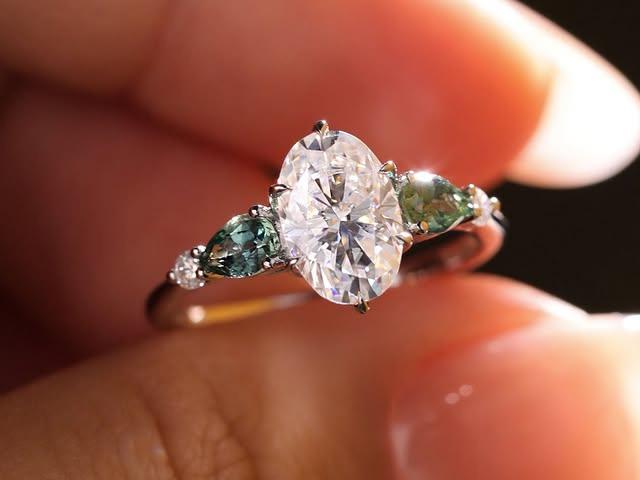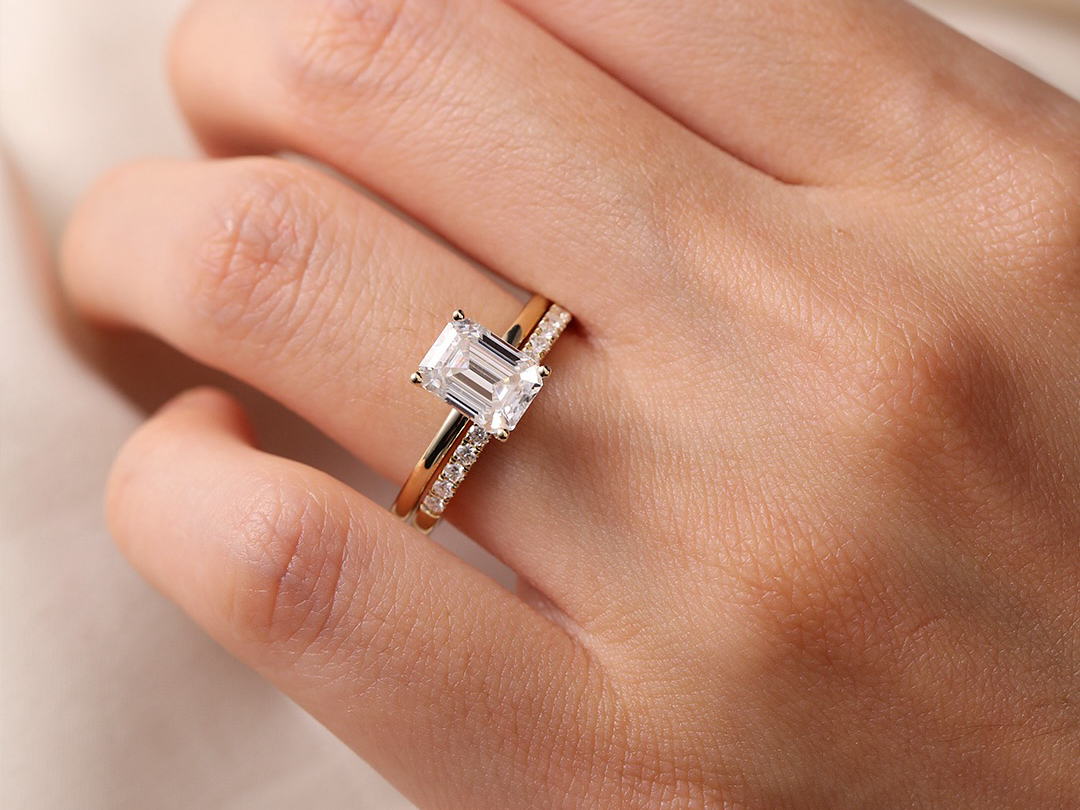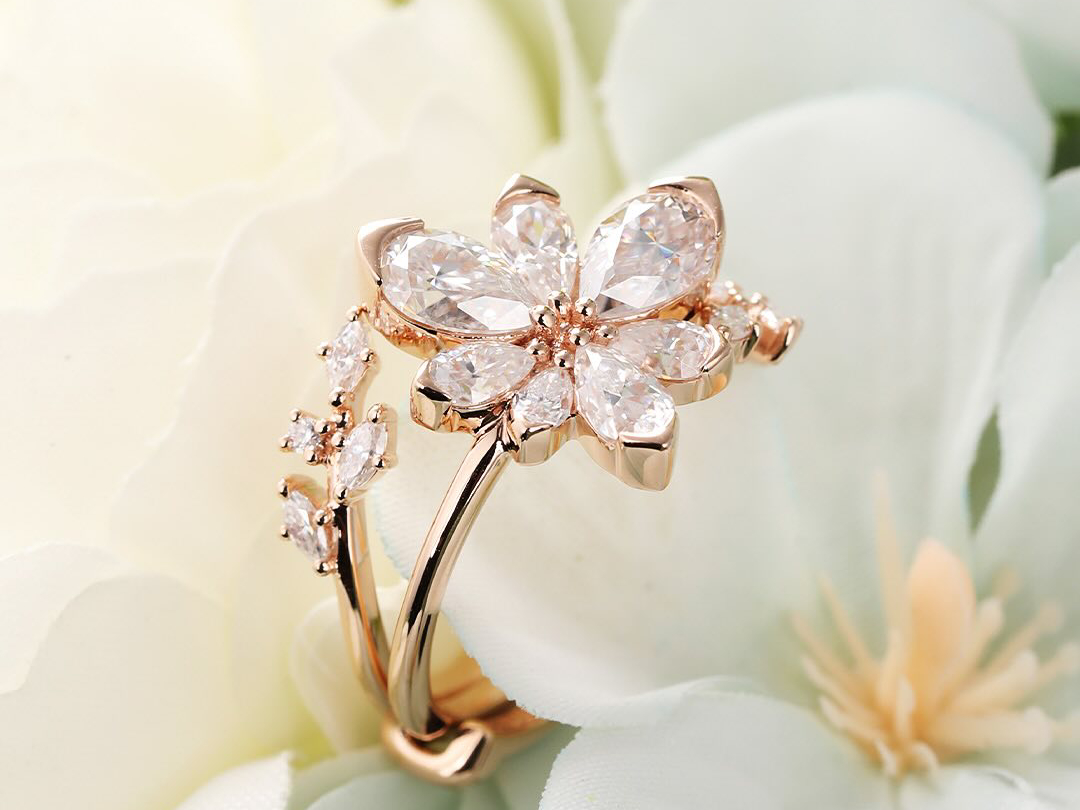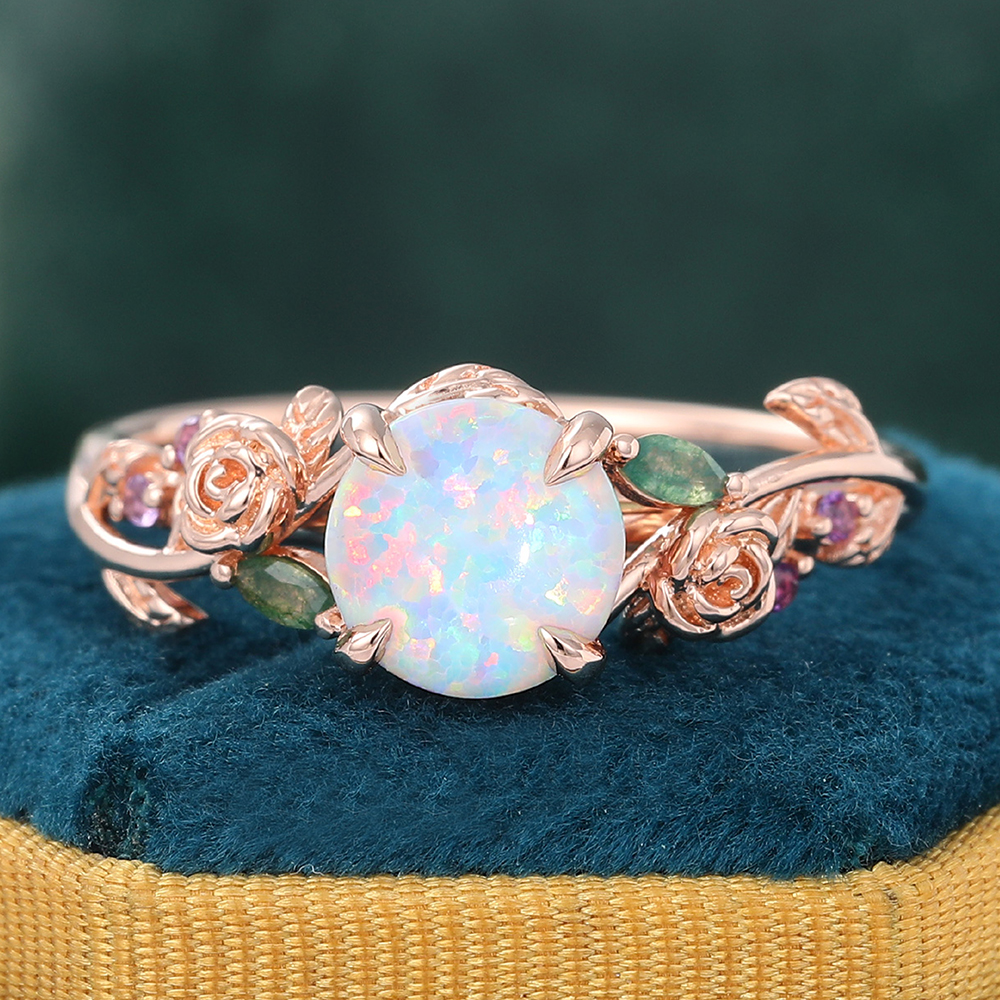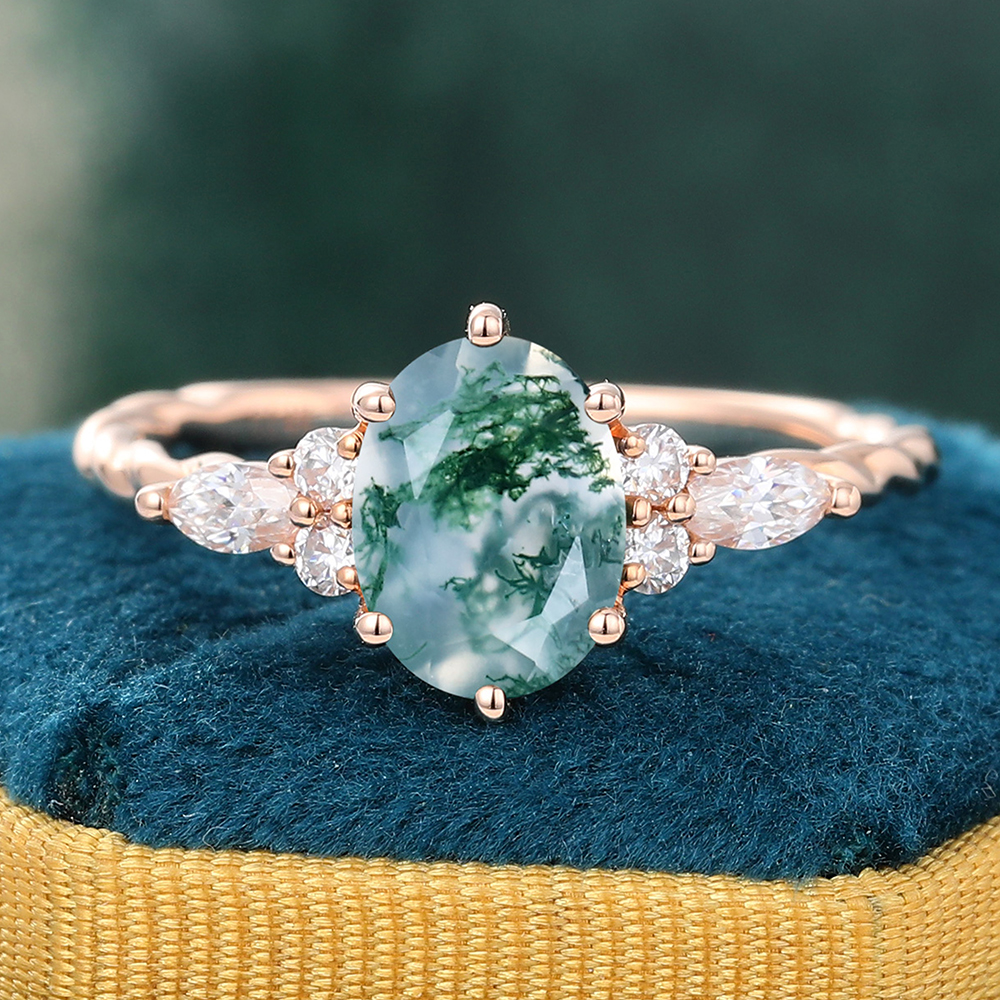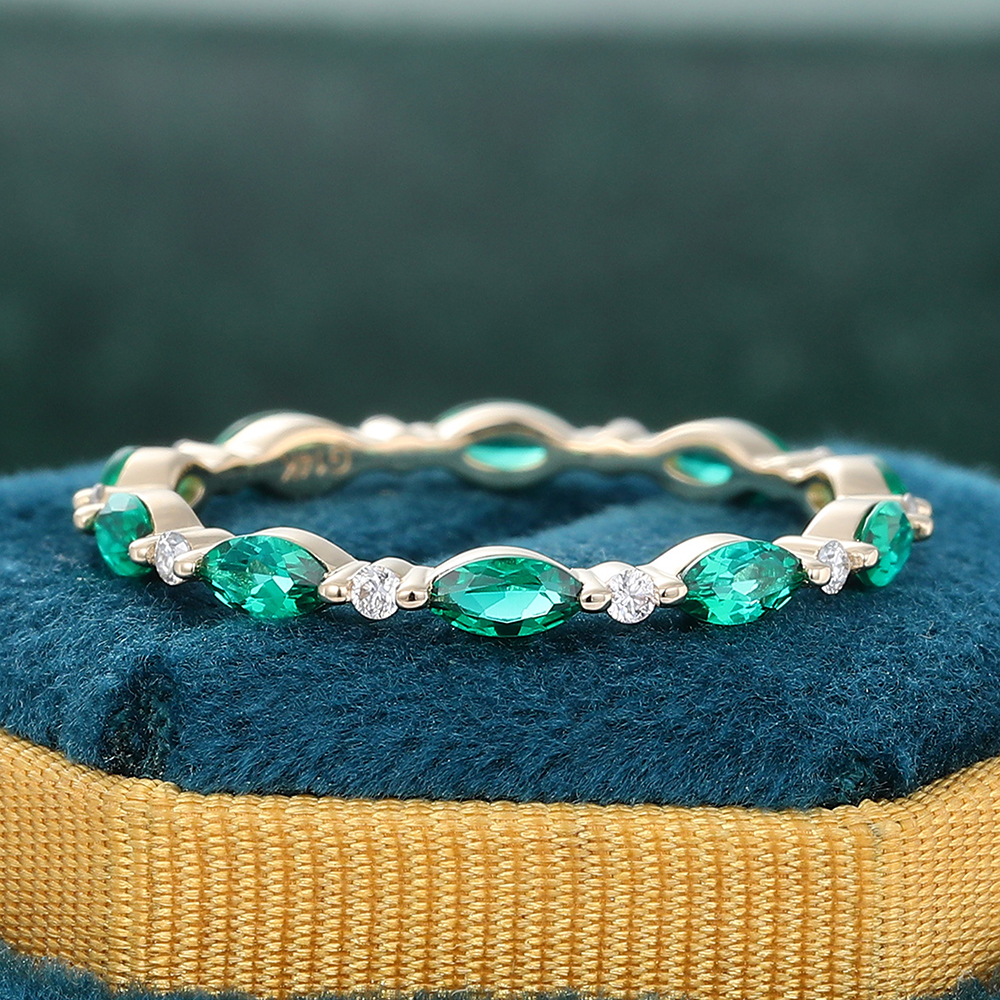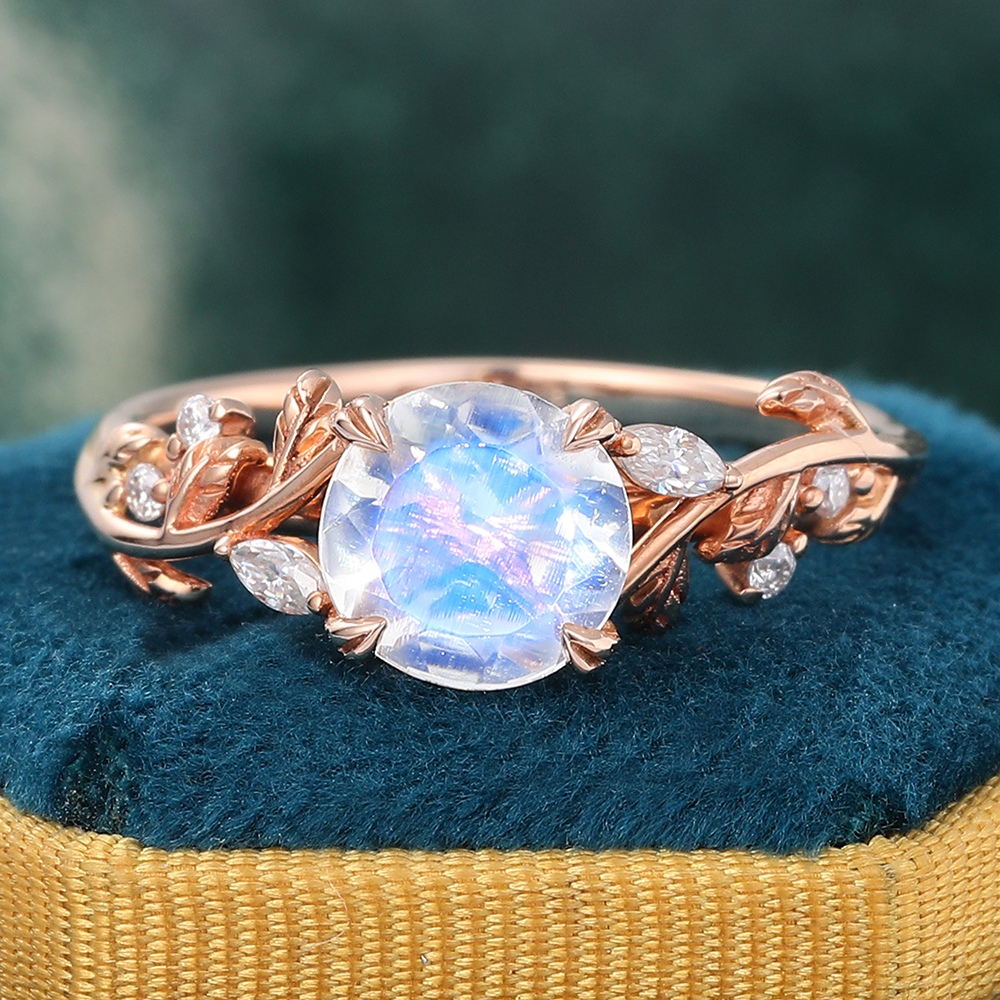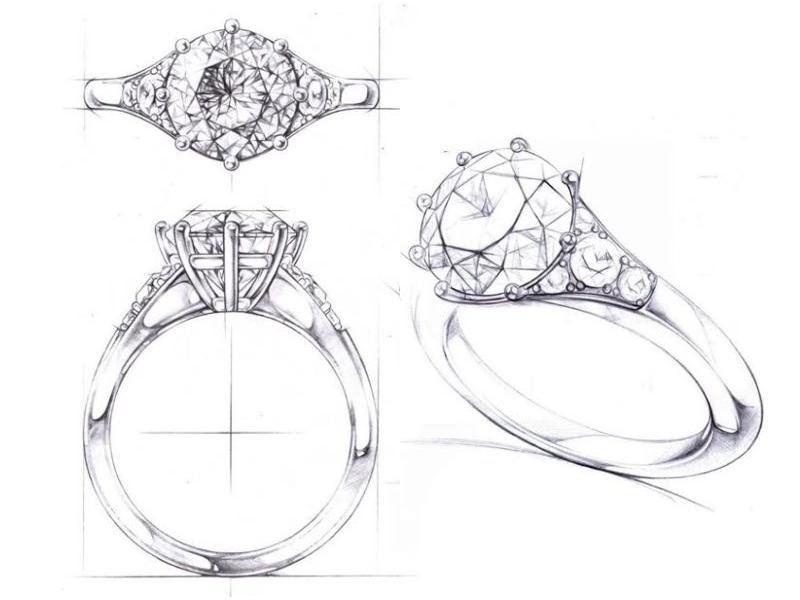

Diamond Alternatives: 10 Stunning Look-Alikes for Your Perfect Ring in 2025
Aug 23,2025 | Juyoyo
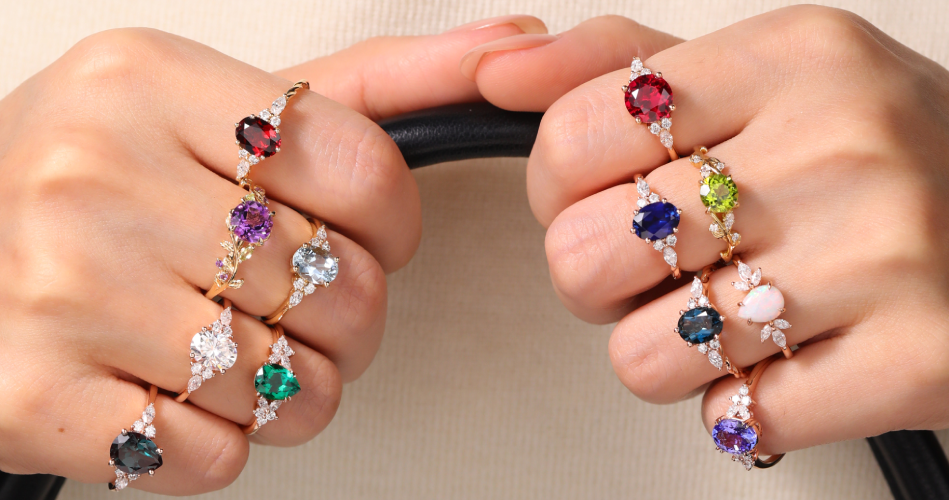
Although diamonds have long been the standard for engagement rings and fine jewelry, they are not the only option. Today, however, a revolution is underway. Modern couples and jewelry enthusiasts are asking: Is there a stone that captures a diamond's sparkle and durability but aligns with my values and budget?
For many, the answer lies in diamond alternatives: gemstones and materials that offer beauty, durability, and meaning without the traditional diamond price tag or ethical concerns.
At Juyoyo, we believe your ring should reflect your story, not just tradition. In this guide, we’ll explore the best diamond alternatives, their benefits, and how to choose the perfect one for you. This article is designed to answer your questions, provide inspiration, and help you make an informed decision.
What Are Diamond Alternatives?
Diamond alternatives are gemstones - natural or lab-created - that are chosen instead of mined diamonds for reasons such as appearance, symbolism, cost, or ethical profile. Some resemble diamonds, while others stand out with bold colors and unique characteristics.
Why Consider Diamond Alternatives?
Before exploring the options, let’s first look at why so many people are moving away from traditional diamonds. Here are the top reasons:
1. Cost-Effectiveness & Affordability
Cost is often the primary driver. Diamonds are expensive, often reaching tens of thousands of dollars for a single ring. Diamond alternatives offer the same sparkle and beauty at a fraction of the cost, allowing you to invest in other life priorities.
2. Superior Size for Your Budget
Why choose a smaller diamond when you can have a larger, more spectacular alternative for the same price? Diamond alternatives can offer a stone that appears significantly larger or higher in quality for a fraction of the cost of an equivalent-sized natural diamond.
3. Ethical & Environmental Peace of Mind
The diamond industry has been criticized for its association with unethical mining practices, environmental damage, and conflict zones. Many alternatives, especially lab-grown diamonds and moissanite, are guaranteed to be conflict-free and environmentally conscious.
4. Unmatched Variety & Individuality
Not everyone wants the traditional diamond look. Choose a stone with more fire than a diamond, like moissanite. Select a vibrant color, like morganite or sapphire. Or, enjoy the flawless clarity that many lab-created stones offer. This choice shows that you value uniqueness over tradition. It’s an opportunity to choose a stone with a unique color, fire, or story that speaks to you.
5. Incredible Durability
Many people worry that choosing an "alternative" means compromising on quality. As you'll see, many popular alternatives are incredibly tough and perfectly suited for everyday wear. They rival the resilience of diamonds.
The Best Diamond Alternatives (With Pros and Cons)
Let's dive into the heart of the matter. Below, we explore the appearance, durability, price range, pros and cons, and best fit of each option. Plus, we include the Juyoyo expert's take on each one - no jargon, just the honest truth.
1. Moissanite: The Closest to a Diamond
Often touted as the "best diamond simulant," moissanite is actually a unique gemstone. If a breathtaking, rainbow-like sparkle is your top priority, look no further than moissanite.
Originally discovered in a meteor crater by Nobel Prize-winning scientist Henri Moissan, this gem is literally born from the stars. Today, all moissanite used in jewelry is lab-created, making it an ethical and affordable choice.
.jpeg?w=994&h=994) |
| Pear Cut Moissanite Engagement Ring, Infinity Promise Ring, Pavé Diamond Ring, Rose Gold |
- Looks Like: Diamond-like sparkle with more rainbow fire.
- Composition: Silicon carbide (SiC).
- Brilliance & Fire: Very high brilliance and extreme fire. Its higher refractive index (2.65-2.69) than that of a diamond (2.42) gives it that unmistakable "disco ball" sparkle.
- Durability: Moissanite scores a 9.25 on the Mohs scale of hardness, making it the second hardest gemstone used in jewelry after diamonds (which score a perfect 10). It is exceptionally resistant to scratching and chipping, making it a fantastic, reliable choice for a daily-wear engagement ring.
- Color: It is typically offered in "colorless" (graded D-F) and "near colorless" (graded G-I). The finest colorless varieties are visually indistinguishable from top-grade diamonds to the untrained eye.
- Price: Moissanite offers incredible value. A moissanite stone is usually 80-90% less expensive than a natural diamond of the same size and apparent quality.
Pros:
- Incredible brilliance and fire (even more than diamonds).
- Highly durable (9.25 on the Mohs scale).
- Ethical and environmentally friendly.
Cons:
- Slightly different sparkle under certain lighting conditions, which some may notice.
The Juyoyo Take: Moissanite is our top recommendation for those who want a large, incredibly brilliant, and durable stone without the diamond price tag.
2. Lab-Grown Diamonds: Real Diamonds, Just Created Differently
To be crystal clear, a lab-grown diamond is not a "fake" diamond. It is a real diamond in every sense of the word. It has the same chemical, physical, and optical properties as a diamond mined from the earth. The only difference is its origin. It's the best choice for someone who wants a diamond's exact properties without the ethical concerns.
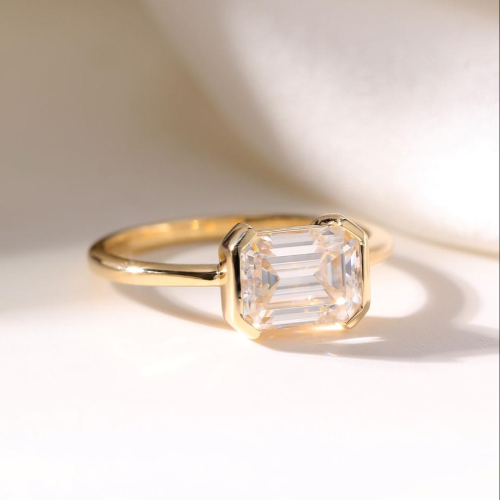
- Looks Like: A natural diamond - because it is a diamond that was simply grown in a lab.
- Composition: Pure carbon crystal structure (C). It has the same composition as mined diamonds.
- Brilliance & Fire: Identical to mined diamond. It has the same classic sparkle and light performance.
- Hardness (Mohs Scale): It is a perfect 10/10 on the Mohs scale.
- Color & Clarity: They are available across the entire GIA grading scale and often have higher clarity grades for the price due to the controlled growth process.
- Price: Because the supply chain is shorter and less resource-intensive, lab-grown diamonds are typically 30%-50% less expensive than natural diamonds of the same size and quality. This allows you to purchase a much larger or higher-quality real diamond within your budget.
- Ethical & Sustainable: They are, by definition, 100% conflict-free, avoiding the significant environmental and social tolls associated with traditional mining.
- Certification: Like natural diamonds, lab-grown diamonds are graded and certified by reputable gemological laboratories such as the International Gemological Institute (IGI) and the Gemological Institute of America (GIA).
Pros:
- Identical in appearance and composition to mined diamonds.
- More affordable than natural diamonds.
- Ethical and sustainable.
Cons:
- Still relatively expensive compared to other alternatives.
- Not as unique as other options.
The Juyoyo Take: For those who desire the timeless allure and physical properties of a diamond, yet want to maximize their budget and ensure an ethical origin, lab-grown diamonds are the clear choice. It's not a compromise; it's the modern choice.
3. Cubic Zirconia: Affordable & Versatile
Cubic zirconia is the most well-known and budget-friendly diamond simulant. This lab-created crystalline material can look very similar to a diamond to the untrained eye. However, it has much more "fire" than a diamond, which can often appear artificial and overwhelming.
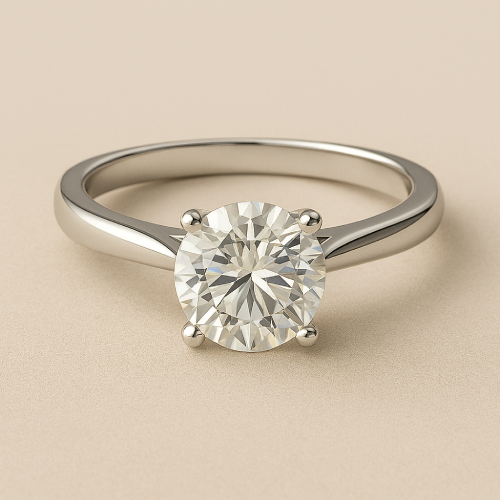
- Looks Like: Diamond-like sparkle at a fraction of the cost.
- Composition: Zirconium dioxide (ZrO₂).
- Appearance: Initially, high-quality CZ can appear quite appealing, often exhibiting a level of rainbow fire that even surpasses that of a diamond. However, its flawless nature can sometimes give it an artificial or "glassy" look compared to the natural inclusions in a diamond.
- Durability: It ranks 8-8.5 on the Mohs scale, which is hard, but more susceptible to scratches over time. More importantly, cubic zirconia is porous. Over time, it can absorb oils from the skin and cosmetics, which can cloud the glass and reduce its luster.
- Price: CZ is inexpensive, costing just a tiny fraction of what a small diamond would.
Pros:
- Extremely affordable.
- Available in various shapes and sizes.
- Sparkles like a diamond in new condition.
Cons:
- Less durable (8 on the Mohs scale).
- It can become cloudy or scratched over time.
Juyoyo's Take: CZ is best for fashion jewelry, not forever pieces. For an engagement ring, it is strongly advised that you invest in a more durable stone.
4. White Sapphire: A Natural, Elegant Alternative
White sapphire offers a soft, elegant gleam instead of a fiery sparkle. It's ideal for those who prefer a subtle, sophisticated look to blinding brilliance. However, it can appear slightly glassy or milky when compared to a diamond or moissanite.
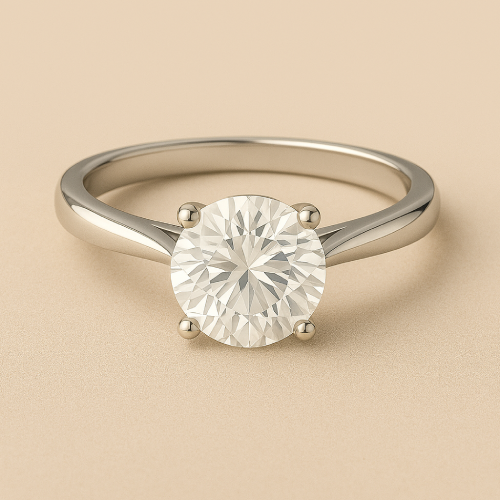
- Looks Like: A softer, more subtle diamond-like glow.
- Composition: Aluminum oxide (Al₂O₃).
- Color & Appearance: "White" sapphires are a popular alternative to diamonds. Their sparkle is different from a diamond's, and it's important to understand that. White sapphires have a more subtle, silvery or steely brilliance, lacking the fiery rainbow flashes of diamonds or moissanite.
- Durability: Sapphire scores a 9 on the Mohs hardness scale. This makes it an extremely tough and durable gemstone, second only to diamonds and moissanites in resilience. It can easily withstand the demands of everyday wear without significant risk of scratching, making it a reliable choice for a lifetime.
- Price: A white sapphire is significantly more affordable than a diamond of a similar size. This allows for a larger center stone or a more intricate setting within the same budget.
Pros:
- Natural and affordable.
- Durable (9 on the Mohs scale).
- A softer, more understated sparkle.
Cons:
- Less brilliance compared to diamonds or moissanite.
- Prone to scratches over time.
Juyoyo's Take: A white sapphire is a wonderful choice for someone who wants a natural, durable gemstone with a classic, elegant look and doesn't require the intense sparkle of a diamond.
5. Blue Sapphire: The Royal Classic
Best known for its deep, velvety hue, the sapphire is a stone of royalty and wisdom. Princess Diana's engagement ring (now worn by Kate Middleton) brought this classic gem back into the spotlight. It offers a sophisticated sparkle that is deeper than a diamond's flash.
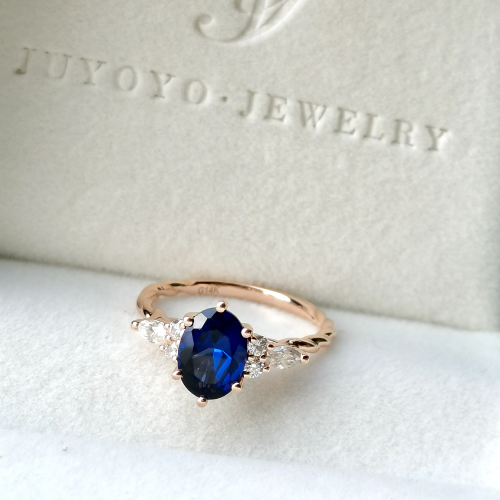 |
| Oval Cut Lab Sapphire Rose Gold Twisted Engagement Ring |
- Looks Like: Rich royal blue with a velvety depth and exceptional sparkle when cut correctly.
- Composition: Aluminum oxide (Al₂O₃) with trace elements, such as iron and titanium, that give it its blue color.
- Hardness (Mohs Scale): 9. It is exceptionally durable for daily wear.
- Color: ranges from light cornflower blue to deep, velvety blue. Padparadscha sapphires are a rare and valuable pink-orange variety.
- Price: Mid-range to high, depending on origin and clarity.
Pros:
- Extremely durable (9 on the Mohs scale), making it suitable for everyday wear.
- A symbol of loyalty, wisdom, and nobility.
- Available in natural and lab-grown options, offering both affordability and sustainability.
Cons:
- It is limited to its signature blue color, though some sapphires come in other hues.
- High-quality natural sapphires can be expensive.
Juyoyo's Take: A blue sapphire engagement ring is ideal for someone seeking a durable, classic, colored stone with deep symbolism and royal heritage.
6. Morganite: Romantic & Unique
For those who dream in rose gold hues and soft sunsets, morganite is the undisputed romantic champion. It has gained massive popularity due to its gentle and elegant appearance. It is often very clear, but its soft color sometimes requires a rose gold setting to enhance its blush tone.
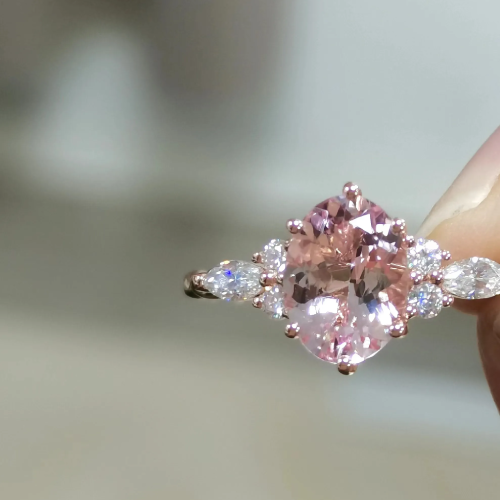 |
| Twisted Oval Cut Morganite Side Stone Engagement Ring with Diamond Accents |
- Looks Like: Soft blush-pink glow.
- Composition: A variety of beryl (Be₃Al₂Si₆O₁₈), a cousin of emeralds and aquamarines. Manganese impurities give it its pink color.
- Color & Appearance: Morganite's beauty lies in its soft, transparent color, which ranges from pale pink to a warmer peach or salmon. It has a lovely vitreous luster, though its brilliance is more subtle than that of a diamond. Its clarity is often exceptional, giving it a beautiful, watery depth.
- Durability: Morganite has a hardness of 7.5 to 8 on the Mohs scale. While it is still a durable stone, it requires more care than a sapphire or diamond.
- Price: Morganite is attractively priced, so you can get a large, impressive stone for a fraction of the cost of a diamond. This allows you to allocate more of your budget to an elaborate custom setting.
Pros:
- Beautiful, warm tones.
- Affordable compared to diamonds.
- Unique and trendy.
Cons:
- Less durable.
- Requires more maintenance to keep its shine.
Juyoyo's Take: Morganite is for the unapologetic romantic who wants a unique, colorful, feminine statement piece. Its affordability makes an eye-catching ring accessible.
7. White Topaz: The Crystal Clear Choice
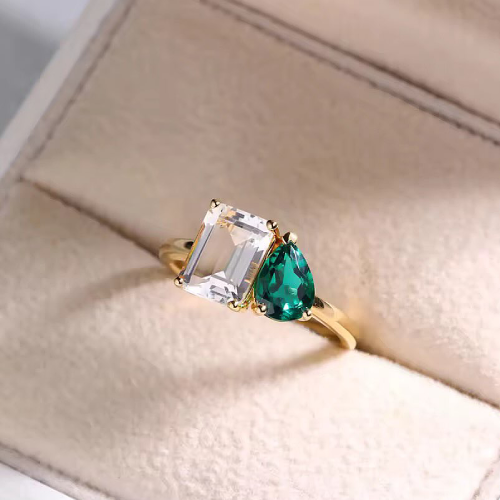
White topaz is a naturally occurring, colorless, semi-precious gemstone. For centuries, it was often mistaken for a diamond before the advent of modern gemology. It offers a crisp, clean look at an exceptionally affordable price. We consider it a step above cubic zirconia (CZ) but a step below white sapphire or moissanite for long-term wear.
- Looks Like: Clear and bright with a soft sparkle.
- Composition: Aluminum silicate fluoride hydroxide (Al₂SiO₄(F, OH)₂).
- Appearance & Sparkle: White topaz is known for its brilliant, glassy luster. Its sparkle is bright and clear, though it lacks the depth and fiery scintillation of a diamond.
- Durability: Topaz scores an 8 on the Mohs scale. This makes it hard and resistant to scratching. However, topaz has a quality called "perfect cleavage," meaning it can chip or fracture if struck with enough force at the right angle.
- Price: Among the various diamond alternatives, white topaz is among the most affordable. It allows for a larger, eye-clean stone at a minimal cost, making it a popular choice for fashion jewelry or those with a strict budget.
Pros:
- Very affordable compared to diamonds and other gemstones.
- Natural and widely available.
- Offers a subtle sparkle and a clean, neutral look.
Cons:
- Softer than diamonds, it is more prone to scratches and wear.
- Requires regular cleaning to maintain its brilliance.
Juyoyo's Take: White topaz is an excellent choice for earrings, pendants, and rings for occasional wear.
8. Spinel: Vibrant and Durable
Spinel is one of the jewelry world’s best-kept secrets. For centuries, the magnificent red spinels in crown jewels were mistaken for rubies. This brilliant and durable gemstone comes in a wide array of colors, including cool silvery gray and bright colorless varieties that make compelling alternatives to diamonds.
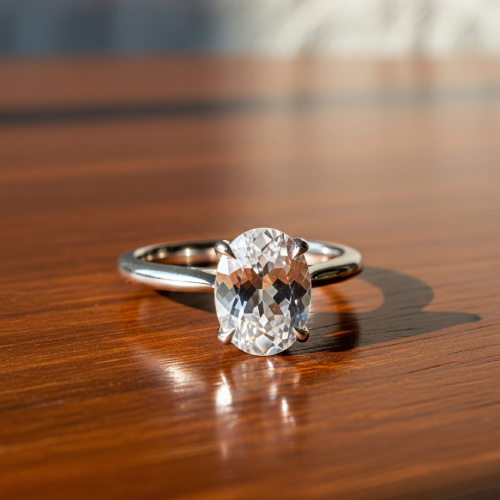
- Looks Like: A wide range of colors, including vivid red, cobalt blue, hot pink, and lavender. It is often mistaken for a ruby or sapphire.
- Composition: Magnesium aluminum oxide (MgAl₂O₄).
- Durability: Spinel is a durable and tough gemstone with a hardness of 8 on the Mohs scale, making it suitable for everyday wear. Unlike topaz, it does not have cleavage issues, making it more resistant to chipping and a very practical choice for rings.
- Appearance & Sparkle: Spinel is singly refractive, like a diamond, which gives it a clean, sharp, and often brilliant sparkle. Although it doesn't have the same level of fire as a diamond, its high clarity and luster make it a lively and attractive stone.
- Price: It is affordable to mid-range, and exceptional colors command higher prices.
Pros:
- Durable and affordable.
- Vibrant and available in unique hues.
Cons:
- Less well-known, which may impact resale value.
Juyoyo's Take: If you're a discerning buyer looking for a unique, vibrant, and durable colored gemstone that offers outstanding value, spinel is the way to go.
9. Aquamarine: Soft & Serene
"Aquamarine" is derived from the term "water of the sea," which aptly encapsulates the serene, pale blue essence of this gemstone. Aquamarine is the March birthstone and is highly valued for its exceptional clarity and its ability to promote a sense of calm with its cool, calming hue.
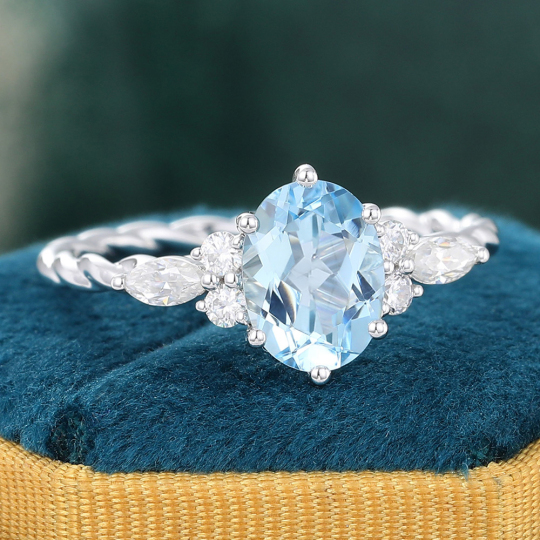 |
| 1.4 CT March Birthstone Oval Aquamarine Twisted Engagement Ring with Diamond Accents |
- Looks Like: Cool, serene blue.
- Composition: Beryl (Be₃Al₂Si₆O₁₈). Iron impurities give it its serene blue color.
- Durability: Like its sister stone, morganite, aquamarine rates between 7.5 and 8 on the Mohs scale. It is a durable stone, but it should be handled with care to prevent scratches and avoid sharp impacts. For an aquamarine ring intended for daily wear, a protective setting is a wise investment.
- Color & Appearance: Aquamarine ranges in color from pale, nearly colorless blue to a saturated sky blue. Its sparkle is subtle and glassy. The most valuable stones are highly transparent and have a clear, medium blue color without any green tint.
- Symbolism & Style: Aquamarine has long been associated with tranquility, clarity, and harmony, making it a meaningful and beautiful choice for an engagement ring. It pairs stunningly with white gold or platinum settings that enhance its cool tones.
Pros:
- Affordable and widely available.
- A stunning, soft blue color that stands out without being overpowering.
- Symbolizes tranquility, courage, and harmony.
Cons:
- Less durable, making it more prone to scratches.
- Its lighter color may not appeal to those seeking a more vibrant gemstone.
The Juyoyo Take: If you're looking for a unique ring with a calming, ethereal beauty, look no further than aquamarine. Its light, airy color offers a refreshing departure from tradition.
10. Emerald: The Iconic Green
Emeralds are one of the "big four" precious gemstones. Their deep, vibrant green color makes them a symbol of rebirth, love, and royalty. As a May birthstone, it is often associated with love, renewal, and prosperity, making it a romantic and meaningful alternative to diamonds.
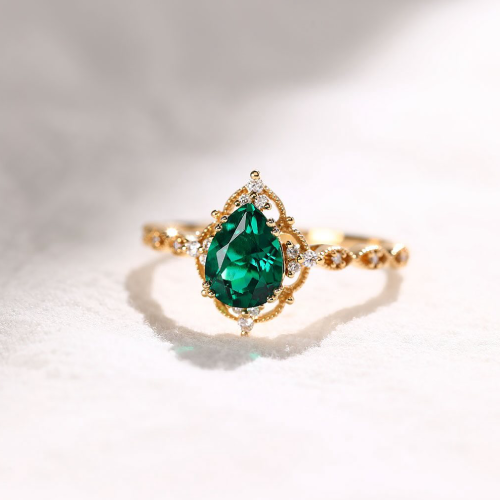 |
| Filigree Halo Pear-Shaped Emerald Engagement Ring Vintage Beaded Design |
- Looks Like: Rich, vivid green.
- Composition: Beryl (Be₃Al₂Si₆O₁₈). Chromium and vanadium give emeralds their iconic green color.
- Durability: Emeralds range from 7.5 to 8 on the Mohs scale. While this hardness is respectable, most emeralds are naturally heavily included. These inclusions are often called the "jardin," or "garden."
- Appearance & Treatment: The value of an emerald is in its color, not its brilliance.
- Price: Varies widely by quality.
Pros:
- Striking green color that is instantly recognizable and unique.
- Symbolizes love, growth, and wealth.
- Often used in vintage or antique-inspired designs.
Cons:
- Softer and more fragile, making it less suitable for everyday wear.
- High-quality emeralds, especially those free of inclusions, can be expensive.
Juyoyo's Take: An emerald engagement ring is a bold, luxurious, high-fashion statement. It's not for the perfectionist.
At a Glance: Juyoyo's Definitive Comparison Chart
We've created this simple chart to help you easily compare the key attributes of our top diamond alternatives for engagement rings.
| Feature | Composition | Durability (Mohs) | Brilliance & Look | Price (Relative) | Juyoyo's Take |
| Diamond (Natural) | Carbon | 10 | Strong (White/Rainbow) | $$$$$ | The traditional benchmark. |
| Diamond (Lab-Grown) | Carbon | 10 | Strong (White/Rainbow) | $$$ | The modern, ethical real deal. |
| Moissanite | Silicon Carbide | 9.25 | Exceptional (Rainbow) | $$ | Best for maximum sparkle & value. |
| Blue Sapphire | Corundum | 9 | Deep, velvety luster | $$$$ | Best for timeless, royal elegance & color. |
| White Sapphire | Corundum | 9 | Subdued (Silvery) | $$ | Best for classic, natural elegance. |
| Spinel | Magnesium Aluminate | 8 | Sharp & brilliant | $$ | Best for the informed buyer seeking durability & value. |
| Aquamarine | Beryl | 7.5 - 8 | Cool, watery brilliance | $$ | Best for serene, cool-toned beauty. |
| Morganite | Beryl | 7.5 - 8 | Soft, peachy glow | $$ | Best for romantics & warm, peachy color. |
| White Topaz | Silicate Mineral | 8 (Can Chip) | Bright & glassy | $ | Best for budget-conscious & fashion wear. |
| Emerald | Beryl | 7.5 - 8 (Brittle) | Vivid green glow | $$$$$ | Best for a luxurious statement (with care). |
| Cubic Zirconia (CZ) | Zirconium Dioxide | 8 - 8.5 (Clouds Over Time) | Intense (Rainbow) | $ | Best for temporary/fashion wear. |
How to Choose the Best Diamond Alternative for You
With so many options, how do you choose the best one? Ask yourself these questions:
Step 1: Reflect on Your Lifestyle - How Important Is Durability?
Are you a nurse, an artist, a rock climber, or someone who works with their hands a lot? Or do you have an office job? Your daily activities dictate how durable your stone needs to be. For an everyday ring that you'll wear for 50+ years, we strongly recommend a stone that scores a 9 or higher on the Mohs scale. Lab-grown diamonds, moissanite, and sapphire are the clear winners for lifetime wear.
Step 2: Define Your Brilliance - What Kind of Sparkle Do You Prefer?
This is purely a matter of personal taste. There is no right answer.
- For bright, colorful fire: Moissanite is the best choice for a dazzling sparkle.
- For an iconic, balanced sparkle: Lab-grown diamonds offer classic diamond fire.
- For sharp, clean brilliance: Spinel provides a bright, crisp sparkle that stays clean.
- For an elegant, silvery glow: White sapphire offers an understated, classic shine.
- For a bright, glassy shine: White topaz delivers a crystal-clear look.
- For a soft, color glow: Morganite provides a romantic peach hue, while aquamarine boasts a serene, watery brilliance.
- For a deep, velvety luster: Emeralds and sapphires are renowned for their rich color.
Step 3: Align with Your Values - What Story Do You Want Your Ring to Tell?
Your ring symbolizes your beliefs.
- For absolute ethical & environmental certainty: Lab-grown diamonds and moissanite are the top choices because they are 100% conflict-free and are not mined.
- For the most "wow" on a budget: Moissanite offers the biggest visual impact for its price. Morganite also offers large sizes at modest costs.
- For the best value in a natural gemstone: Spinel is the "insider's choice," offering the durability and brilliance of a precious gem at an exceptional value.
Step 4: Express Your Style - Which Gem Is a True Reflection of You?
Forget trends. Choose a gem that resonates with your personality.
- The modern traditionalist: You love a classic look, but you also make conscious choices. Your match is a lab-grown diamond.
- The bold and brilliant: You are confident and vibrant and love to sparkle. You are a moissanite.
- The timeless romantic: You are drawn to soft colors and warm beauty. You'll love a morganite or a classic sapphire.
- The understated classicist: You believe in quiet luxury and elegance. Your soulmate is a white sapphire.
- The savvy individualist: You are a trendsetter who appreciates quality and originality. You are undoubtedly a spinel.
- The ethereal and serene: You are drawn to the calm beauty of the sea and sky. Your spirit stone is an aquamarine.
- The regal and iconic: You have a bold sense of style and aren't afraid to make a luxurious statement. You were born to wear an emerald.
Beyond the 4 Cs: Juyoyo's Expert Advice on Quality
While carat, cut, color, and clarity matter, there's more to a great stone than meets the eye.
- The Cut is King: A well-cut moissanite outperforms a poorly cut diamond every time. The precision of the cut determines how well light travels through the stone, creating the desired sparkle. At Juyoyo, we prioritize exceptional cutting above all else.
- Setting Matters: The metal and setting style can influence the appearance of the stone. A well-designed setting can enhance a stone's brilliance and protect it.
Conclusion: Gemstones that Look Like Diamonds
Selecting an engagement ring is one of life's most joyful decisions. The world of diamond alternatives has opened up a universe of possibilities, so you no longer have to sacrifice your dreams for your budget.
At Juyoyo, our mission is to empower you with knowledge and guide you with care. We're not just selling you jewelry; we're helping you find the perfect symbol of your unique journey.
Ready to explore your options? Discover our curated collection of exquisite diamond alternative jewelry and experience the difference that expert craftsmanship can make.
FAQs About Diamond Alternatives
Q: What is the Best Diamond Alternative That Looks Real?
A: A lab-grown diamond is the only alternative that is 100% identical to a natural diamond. If you're looking for a gem that isn't a diamond but looks similar, high-quality moissanite is the closest contender due to its colorless appearance and high brilliance.
Q: Will a Diamond Alternative Last a Lifetime?
A: Absolutely. Moissanite (9.25 on the Mohs scale of mineral hardness) and sapphire (9 on the Mohs scale) are incredibly durable gemstones that, with proper care, will last for generations, just like a diamond.
Q: How Do I Care for My Diamond Alternative Engagement Ring?
A: Care is very similar to that of a diamond ring. Clean it regularly with warm, soapy water and a soft toothbrush to remove oils and maintain its sparkle. Moissanite repels dirt and oil particularly well, so it stays cleaner longer.
Q: Are Diamond Alternatives a Good Investment?
A: It's important to view an engagement ring as a sentimental purchase rather than a financial investment. Natural diamonds have an established resale market, but they typically do not offer a high return on investment for consumers. Diamond alternatives should be purchased for their beauty, durability, and value, not for their potential resale value.
Q: Can a Jeweler Tell the Difference Between a Diamond and Moissanite?
A: With the naked eye, it's very difficult to distinguish modern, well-cut moissanite. Jewelers use specialized thermal and electrical conductivity testers that easily distinguish between the two, as moissanite conducts electricity, while diamonds do not.
Q: Are Diamond Alternatives as Durable as Real Diamonds?
A: Some, like moissanite and lab-grown diamonds, are nearly as durable. Others, such as cubic zirconia, require more care.
Comment