
Opal vs. Tourmaline: Which October Birthstone is Right for You?
Oct 09,2025 | Juyoyo
Hello, friends born in October and dedicated gift-givers!
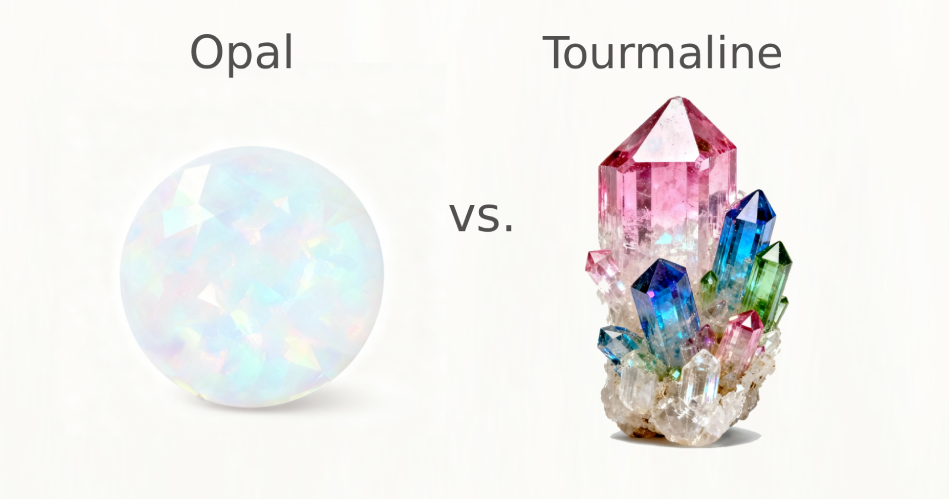
Selecting an October birthstone is a special experience because you have two stunning gems to choose from: the mystical opal and the vibrant tourmaline.
However, this choice can also be a delightful puzzle. Which stone truly aligns with your style, lifestyle, and spirit? Whether you’re shopping for jewelry, exploring birthstone meanings, or comparing durability and price, this guide will provide all the information you need to make an informed decision.
Why Does October Have Two Birthstones?
It's a great question! Opal is the traditional October birthstone and has been cherished for centuries in legends and lore. In 1952, the Jewelry Industry Council added tourmaline as a more modern alternative, largely because of its stunning range of colors—especially the vibrant pinkish-red that complements autumn—and excellent durability for everyday jewelry.
So, your choice is not just about color but also about connecting with ancient tradition or embracing a modern classic.
Opal vs. Tourmaline Quick Comparison
| Feature | Opal | Tourmaline |
| Mohs Hardness | 5.5 - 6.5 (Relatively delicate) | 7 - 7.5 (Durable for everyday wear) |
| Appearance | Famous for "play-of-color"—flashes of rainbow hues | A vast spectrum of solid colors can be bi-color or tri-color |
| Symbolism | Creativity, Purity, Hope, Transformation | Protection, Compassion, Balance, Love |
| Price Range | Varies widely based on play-of-color, body tone & origin | Varies by color rarity (e.g., Paraíba is extremely valuable) |
| Care Level | Requires gentle care; avoid chemicals & impacts | Relatively low-maintenance and robust |
Understand the Opal Gemstone
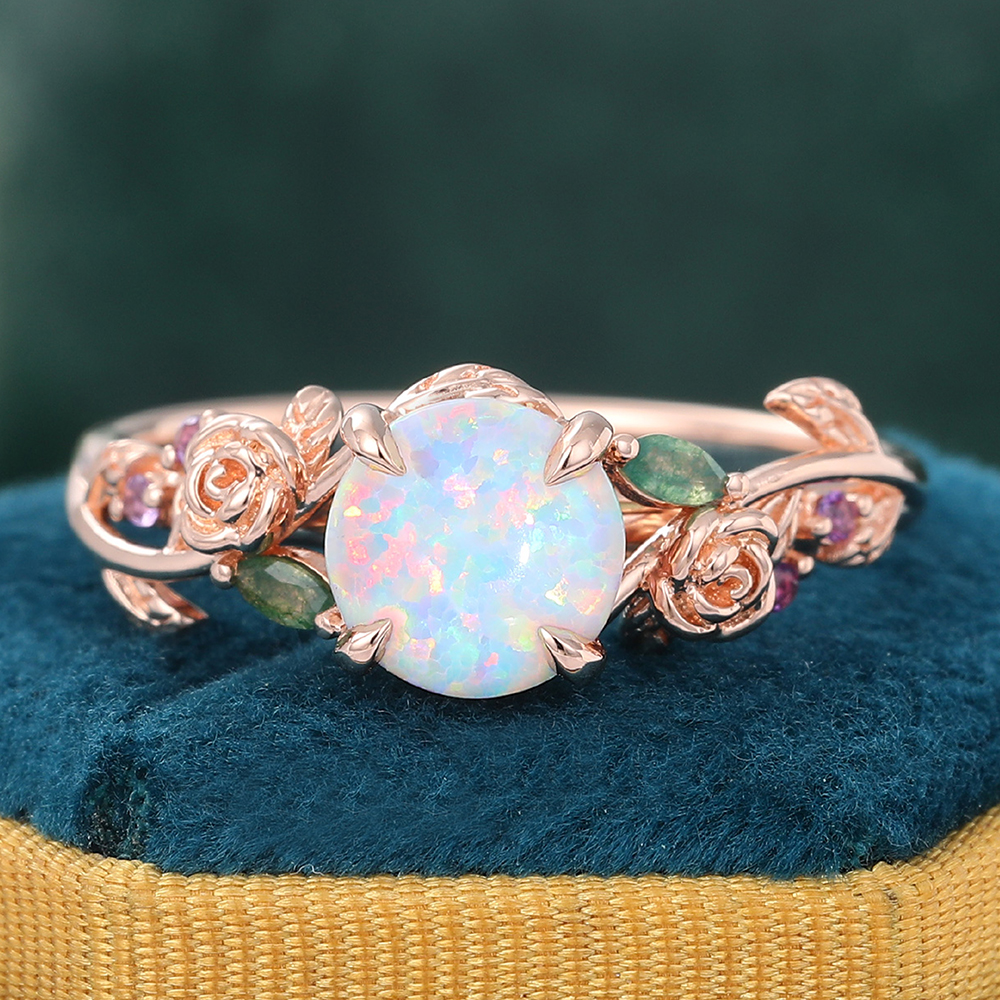
Opal is silica gel that has solidified over millions of years. Its magic lies in its unique internal structure, which diffracts light to create a dazzling "play of color"—a shifting display of rainbow hues that cannot be found in any other gemstone.
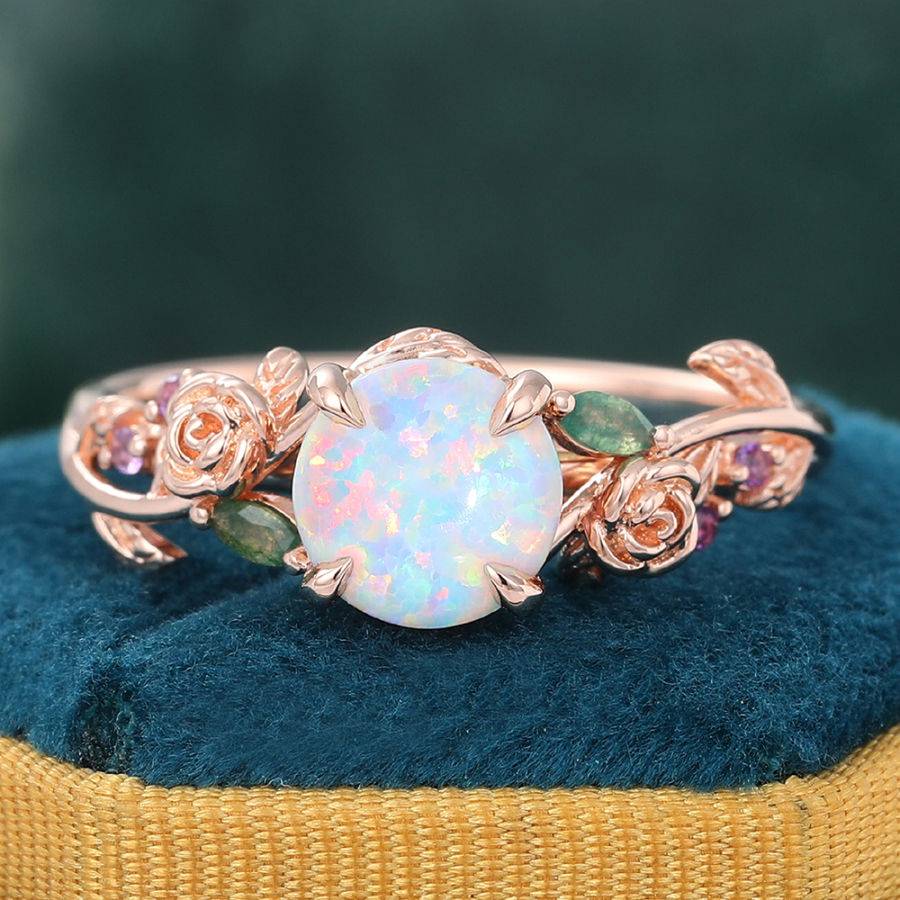 |
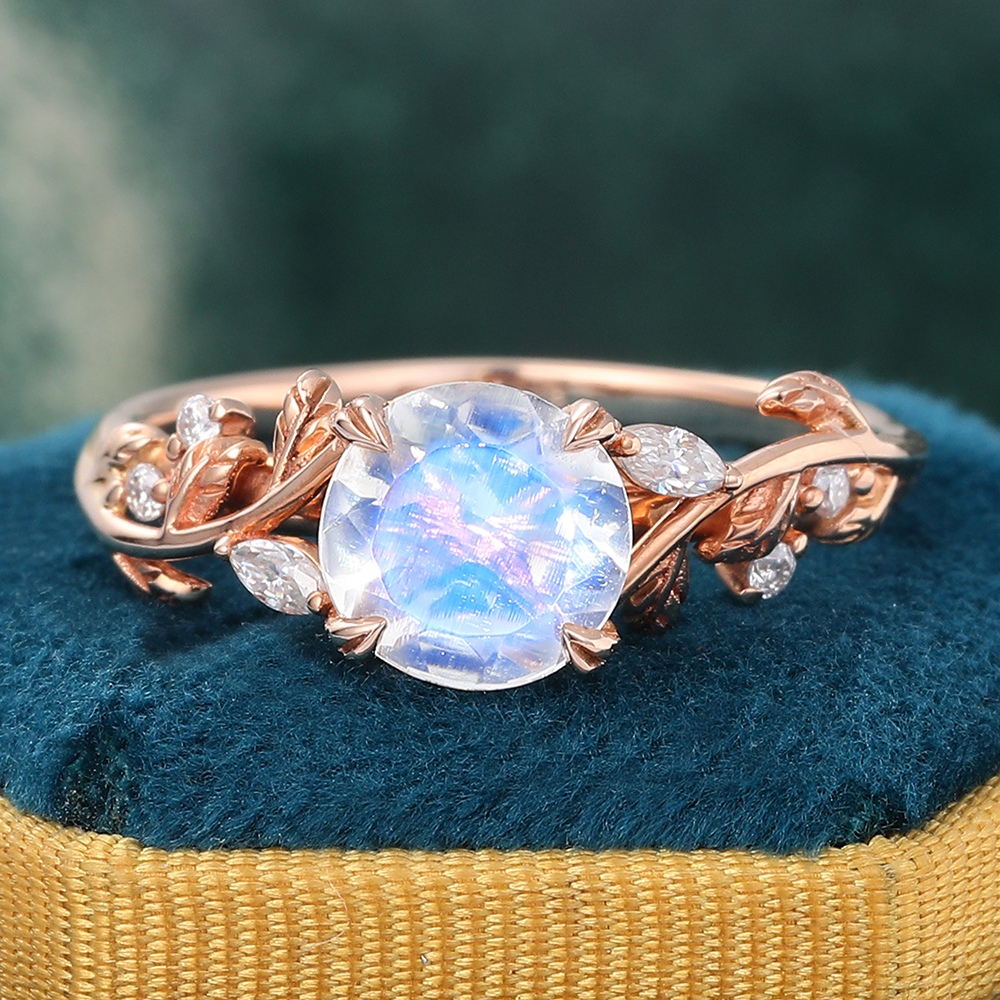
| 14K Rose Gold Round Opal Engagement Ring Rose Leaf Nature-Inspired Wedding Ring |
What Makes Opal Unique?
The word "opal" comes from the Sanskrit word upala, meaning "precious stone." It passed through Greek and Latin before becoming the name we know today. Ancient Romans prized opals as symbols of hope and purity. Medieval Europeans believed in their protective powers and called them the "eye stone" because of their connection to vision.
Opal's greatest distinction lies in its play of color. This phenomenon is created by light diffracting through microscopic silica spheres. Depending on the size and arrangement of these spheres, different colors will flash and move. No two opals are exactly alike, making each one a unique piece of cosmic art. This is why they are often compared to galaxies, fireworks, and nebulae.
Types of Opals:
- White Opals: The most common variety features a white or light base with a vibrant play of color.
- Black Opals: They have a dark background that makes the play-of-color appear more dramatic and valuable.
- Fire Opals: Transparent to translucent with an orange-to-red body color, often without a play of color.
- Boulder Opals: Formed attached to ironstone host rock, creating natural, dramatic patterns.
- Crystal Opals: Transparent to semi-transparent with exceptional play-of-color visibility.
Opal's Symbolic Meaning and Metaphysical Properties
Throughout history, opals have been seen as symbols of hope, purity, and truth. The Romans considered them the "Queen of Gems" because they contain the colors of all other stones. They are believed to amplify emotions, spark creativity, and encourage personal transformation, making them the perfect talisman for artists, writers, and dreamers.
Continue reading: Opal Meaning: Why This Rainbow Gem Symbolizes Hope, Love & Cosmic Power
Understanding the Tourmaline Stone
While opal is the dreamer, tourmaline is the multitalented artist who has mastered every medium. Its name comes from the Sinhalese word toramalli, meaning "stone with mixed colors," and it is the most colorful gemstone family in the world.
What Makes Tourmaline Special?
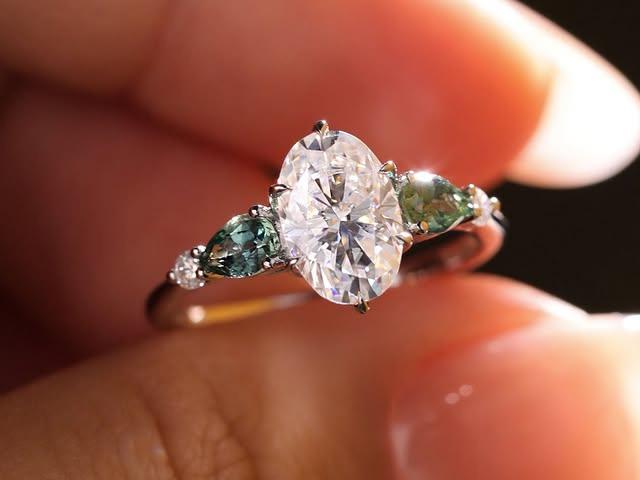
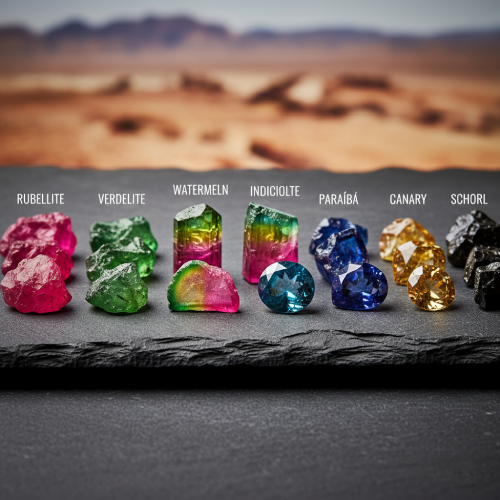
From the richest greens (verdelite) and deepest blues (indicolite) to passionate pinks (rubellite) and even stark black (schorl), tourmaline has it all. Some crystals are bi- or tricolored and are famously known as "watermelon tourmaline" due to their pink centers and green rims. This incredible diversity is due to the presence of different trace elements in its chemical makeup.
Types of Tourmaline:
- Rubellite: Pink to red tourmaline, often mistaken for ruby
- Indicolite: Blue to blue-green tourmaline
- Verdelite: Green tourmaline is the most common variety.
- Watermelon: Pink center with a green outer rim
- Chrome: Vivid green due to chromium content
- Paraíba: Neon blue to green, colored by copper.
Tourmaline's Symbolic Meaning and Metaphysical Properties
Different tourmaline colors are believed to possess various powers: black tourmaline is thought to protect the wearer and boost confidence, pink tourmaline may attract love, and green tourmaline is said to enhance courage, strength, and perseverance. This diversity of properties means there's a tourmaline for nearly every intention or need.
Opal vs. Tourmaline: Which Birthstone Suits You Best?
Now that we've explored both gems individually, let's compare them directly based on several important factors.
Visual Appearance and Style
Opal offers an ever-changing display of color that shifts with movement and light. Each opal is unique—no two stones display the same pattern. If you love mystery and unique pieces that start conversations, opal might be your perfect match.
Tourmaline, on the other hand, provides consistent color in virtually every hue imaginable. If you like to match your jewelry to specific outfits or consistently wear a favorite color, tourmaline offers more predictability and color coordination possibilities.
Style Match:
- Choose an opal engagement ring for the ultimate expression of uniqueness and enchanting beauty.
- Choose tourmaline if you prefer to coordinate your jewelry with your wardrobe and love having color options.
Durability and Lifestyle Considerations
This practical consideration significantly affects which stone is better suited to your daily life.
Opal ranks between 5.0 and 6.5 on the Mohs hardness scale, which makes it relatively soft. It is sensitive to knocks, temperature changes, and dry conditions. It requires protective settings and careful handling.
Tourmaline, on the other hand, ranks 7.0-7.5 on the Mohs scale. This makes it harder and more durable for everyday wear, though it still requires reasonable care.
Lifestyle Match:
- Choose opal if you'll wear it primarily for special occasions or are willing to provide careful maintenance.
- Choose tourmaline if you want a stone for regular wear that can withstand an active lifestyle.
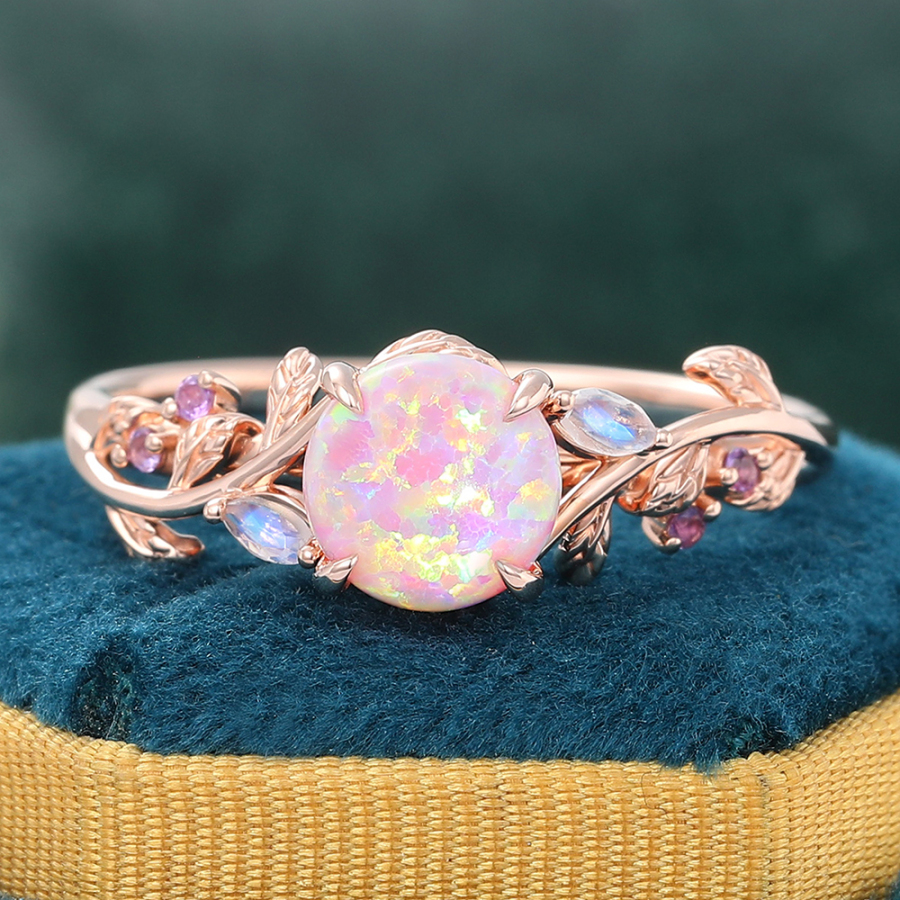 |
| Round Cut Pink Opal Ring Nature Inspired Leaf Engagement Ring 14K Rose Gold |
Price and Value Considerations
Both stones are available at various price points, but different factors determine their value.
Opal values vary dramatically based on type, color play, brightness, pattern, and body tone. Black opals command the highest prices, while common white opals are more affordable. Exceptional black opals can cost tens of thousands of dollars per carat.
Tourmaline prices depend heavily on color, clarity, and variety. Standard green tourmalines are relatively affordable, while high-quality Paraíba tourmalines can exceed $10,000 per carat.
Budget Match:
- Choose opal if you're looking for an affordable option (such as basic white opals) or a significant investment piece (such as quality black opals).
- Choose tourmaline if you want consistent value across most color varieties, or if you are specifically interested in mid-range investment pieces.
Personality and Symbolic Alignment
Beyond its physical properties, your birthstone should reflect your personality and the qualities you wish to embody.
Opal is associated with creativity, transformation, and imagination. Often called the "stone of inspiration," it is associated with artistic pursuits and embracing change.
Tourmaline, known as the "stone of reconciliation," is believed to inspire compassion, calm nerves, and convey confidence. It's also believed to promote flexibility in thinking and openness to new ideas.
Personality Match:
- Choose opal if you consider yourself creative or intuitive, or if you are navigating significant life changes.
- Choose tourmaline if you are seeking balance or protection, or you want to enhance specific qualities, such as love (pink) or courage (green).
Care & Longevity: The Forever Promise
Opal Care: Think of it like a fine silk blouse. Clean it gently with a soft, damp cloth and mild soap. Never use ultrasonic cleaners or harsh chemicals. Store it separately to prevent scratches and avoid extreme temperature changes, as these can cause cracking.
Tourmaline Care: This stone is much more forgiving. All you need is warm, soapy water and a soft brush. It’s stable and can handle the rigors of daily life.
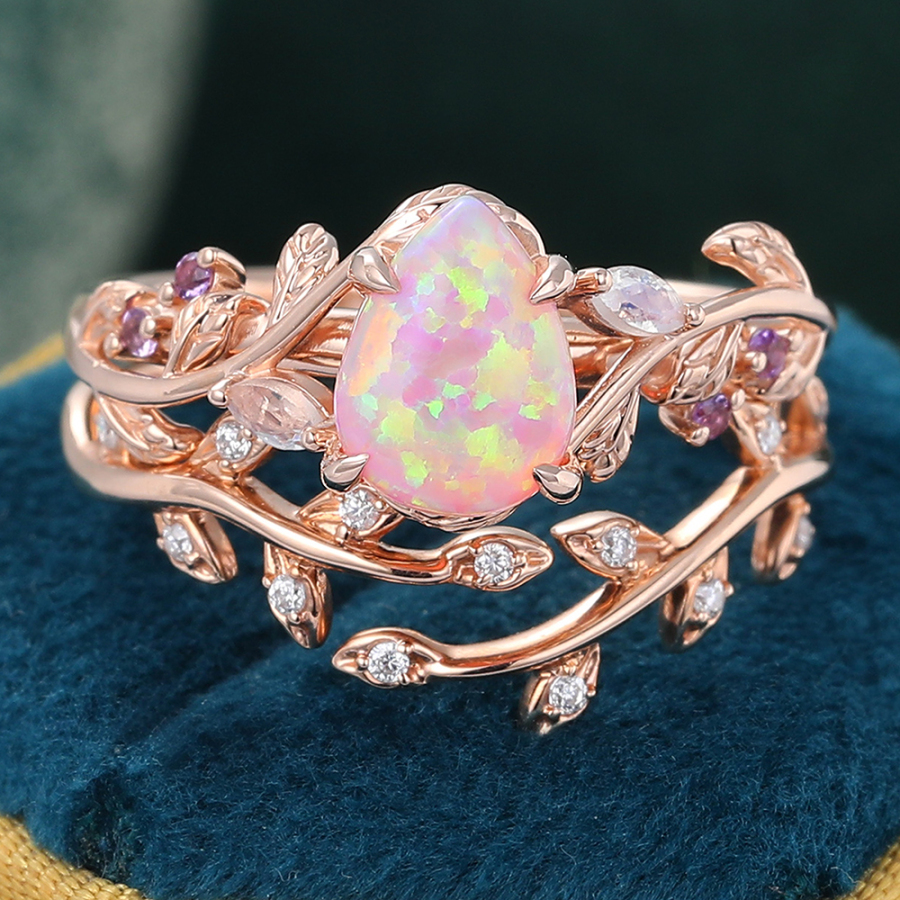 |
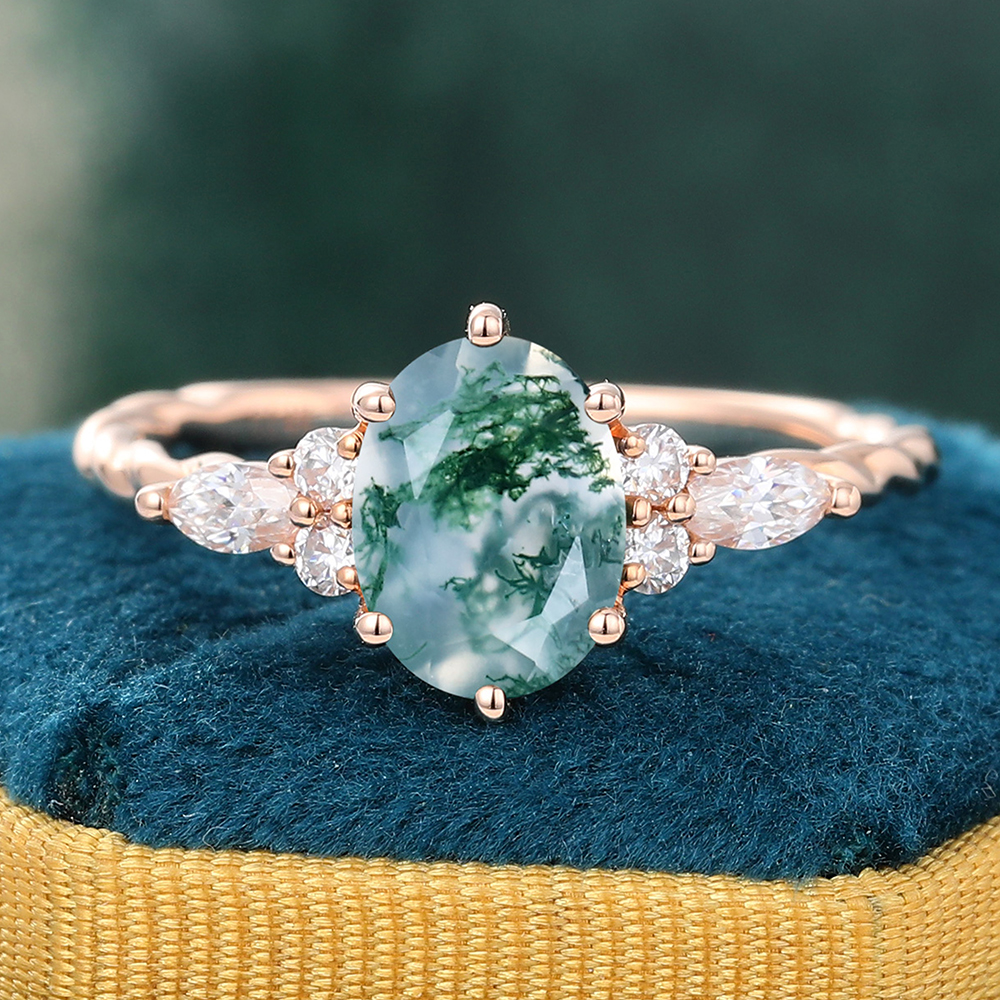
| Pear Shaped Pink Opal Wedding Ring Set |
Conclusion: Opal vs. Tourmaline
Whether you prefer the cosmic dance of colors in opal or the bold spectrum of tourmaline, these two October birthstones offer unique ways to celebrate your birthday month. Opal embodies the mystical, transformative energy of October, while tourmaline reflects the month's diverse, ever-changing landscapes.
Discover your perfect October birthstone. Explore Juyoyo's curated collection of opal jewelry, or consult our gemology experts to learn more about these birthstones. We're here to help you make the perfect choice for your lifestyle and preferences, whether you're drawn to opal's captivating play of color or tourmaline's vibrant spectrum.
Opal and Tourmaline FAQs
Can I Wear Opal and Tourmaline Together?
Absolutely! Many October babies enjoy combining their birthstones in stackable rings or layered necklaces. Just remember opal's soft nature when designing pieces where stones might touch.
Are Opals Bad Luck?
This is a common misconception largely stemming from a 19th-century novel in which the protagonist met misfortune after receiving an opal. Historically, however, opals were considered highly protective and lucky. Most modern gemologists dismiss this superstition.
Which Birthstone is Rarer?
Both stones have rare and common varieties. Fine black opal and Paraíba tourmaline are exceptionally rare. Common white opals and green tourmalines, however, are more readily available.
Comment