
Pearl Necklace Meaning: Symbolism, History & Cultural Significance
Jun 19,2024 | Juyoyo
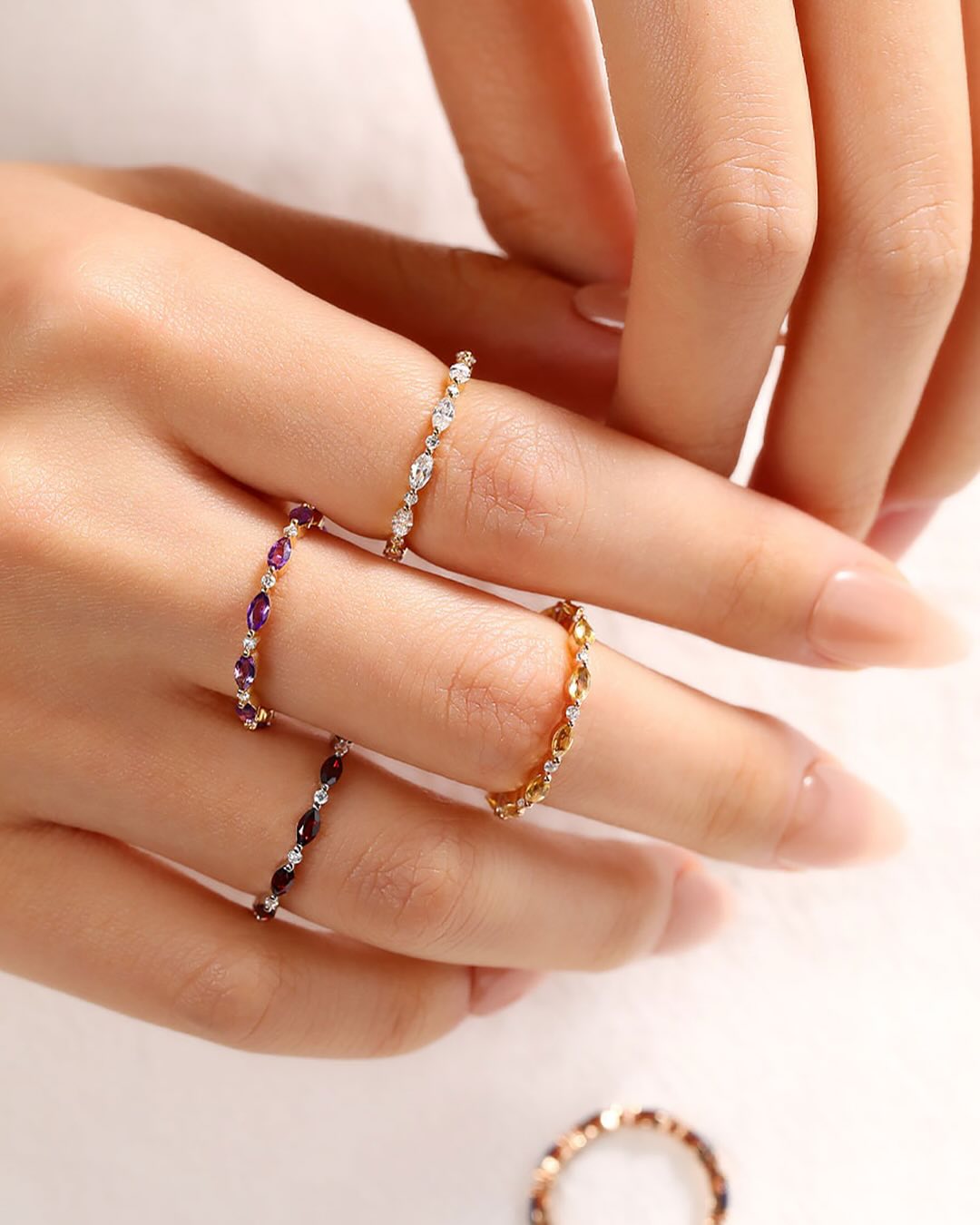
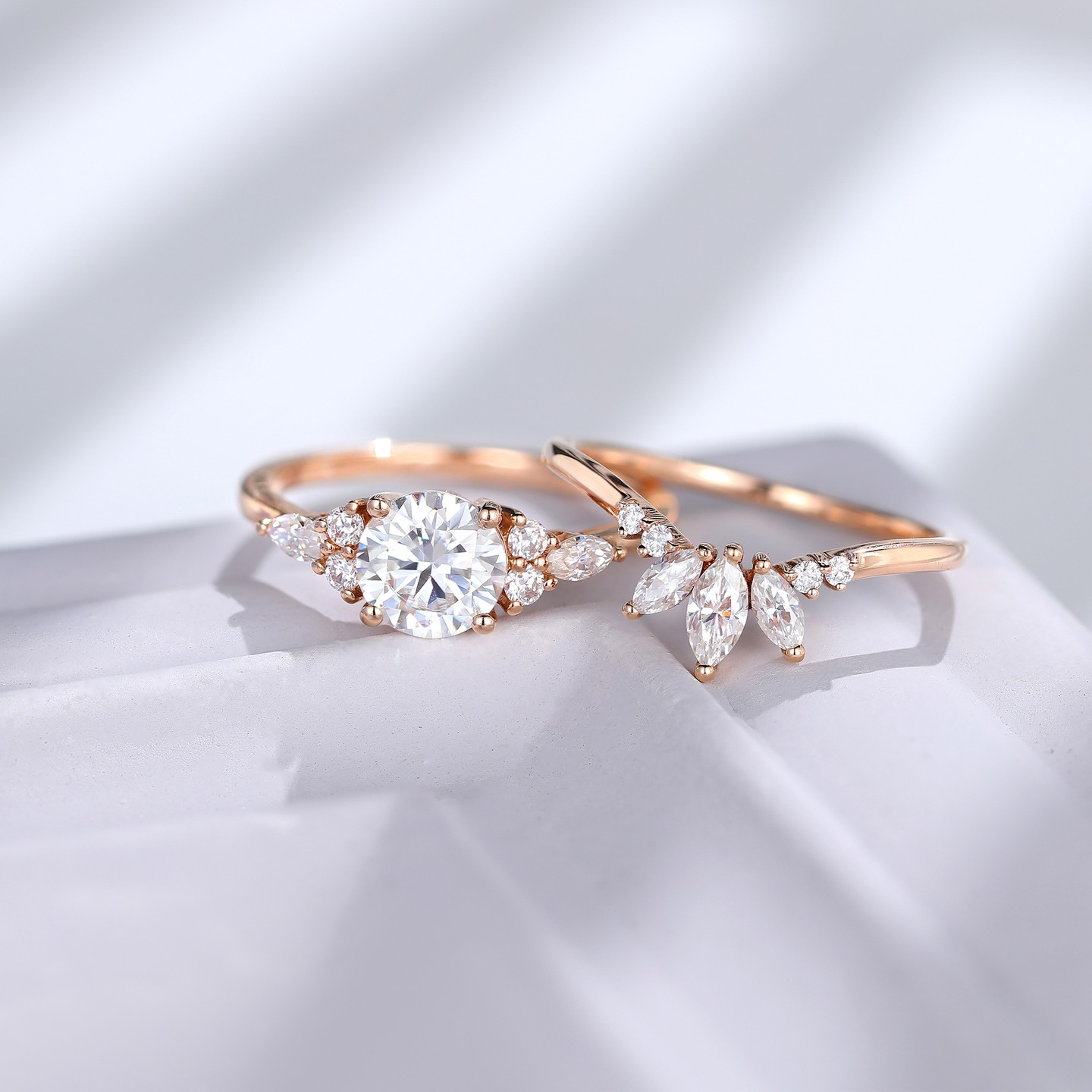
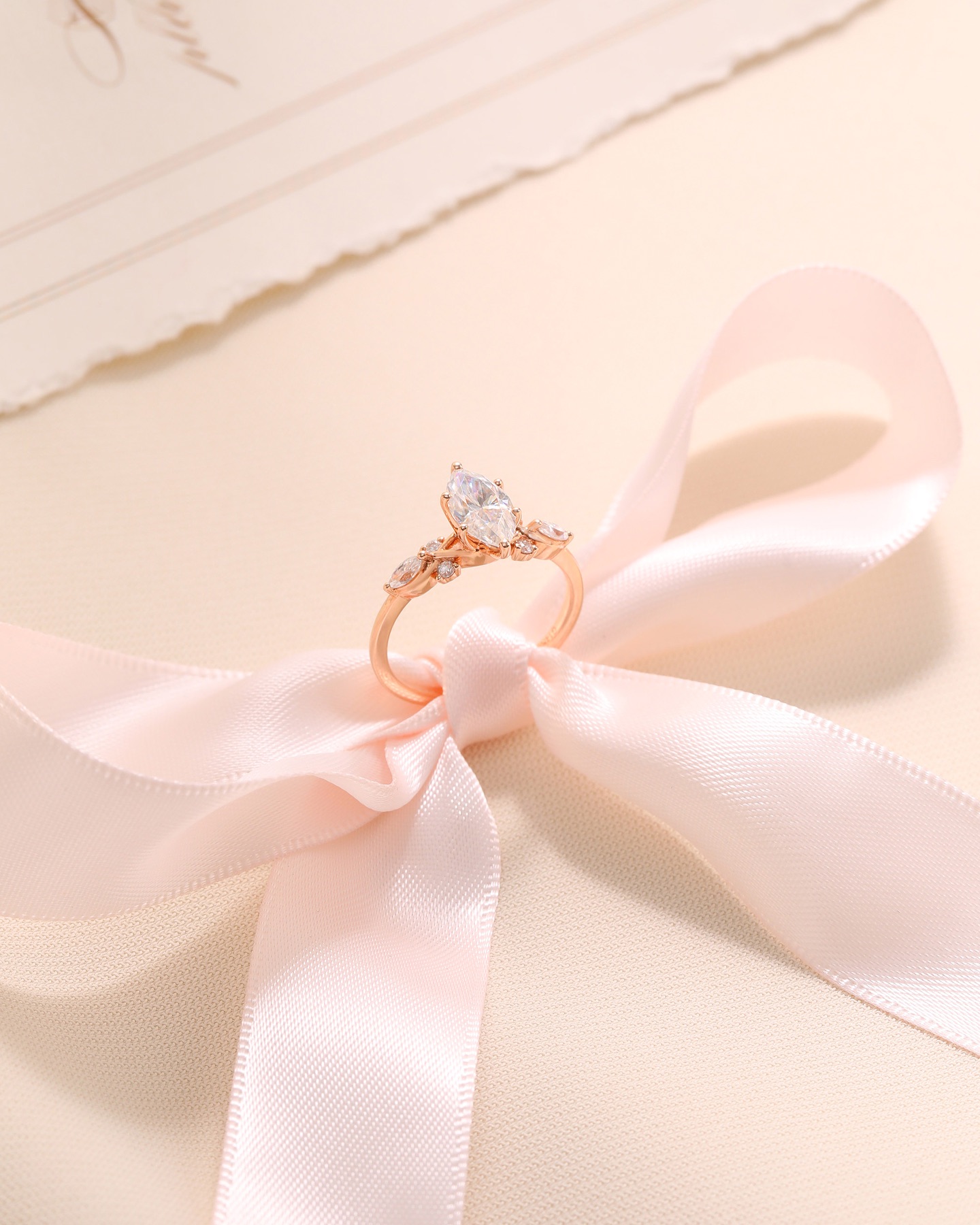
Pearl jewelry is a perfect gift for your love, such as pearl necklaces, pearl rings, pearl earrings, etc., associated with the symbolic meaning of purity, elegance, and sophistication. If you want to give your loved one a single pearl necklace as a gift, this blog is worth reading.
Although the term "pearl necklace" carries different connotations in modern slang, particularly in informal or adult contexts, this article exclusively focuses on the profound and beautiful meanings associated with pearl necklaces as cherished pieces of jewelry.
We will explore their traditional symbolism, trace their fascinating journey through history, examine their cultural relevance worldwide, and provide practical advice on selecting and maintaining these magnificent gems.
- Chapter 1: What is a Pearl Necklace?
- Chapter 2: What Does A Pearl Necklace Mean or Symbolize
- Chapter 3: Historical Background and Cultural Significance
- Chapter 4: Pearl Symbols in 5 Faiths
- Chapter 5: Pearl Colors & Meanings
- Chapter 6: What Are the Benefits of Wearing A Pearl Necklace
- Chapter 7: Choosing the Right Pearl Necklace
- Chapter 8: Guide to Caring for Your Pearl Jewelry
- Conclusion
- FAQS about Pearl Necklace
Chapter 1: What is a Pearl Necklace?
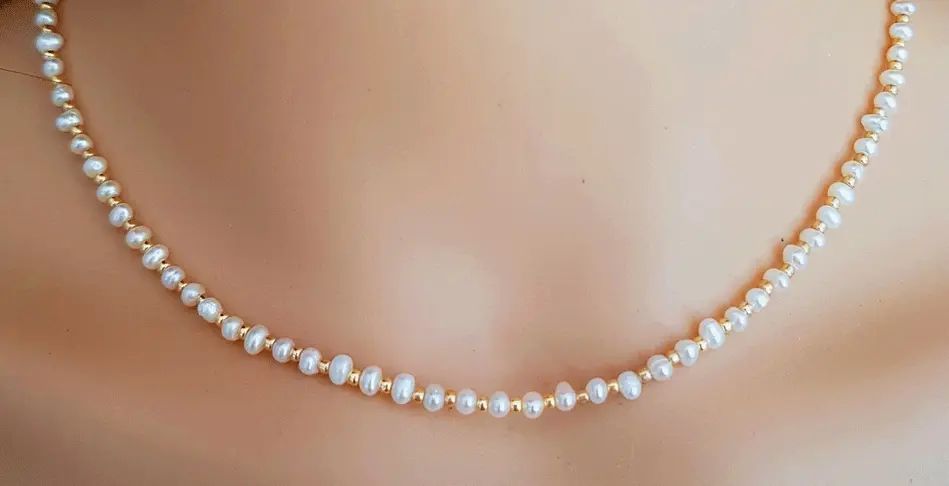
A pearl necklace is a classic piece of jewelry consisting of pearls strung together with a clasp to be worn around the neck. These exquisite adornments can feature a single strand or multiple strands, with pearls varying in size, shape, color, and type. They range from the perfectly round, lustrous Akoya pearls to the larger, more organic freshwater varieties and the exotic dark Tahitian pearls. Pearl necklaces have historical and cultural significance, symbolizing purity, wisdom, wealth, and elegance. This makes them a timeless accessory for various occasions, from formal events to everyday wear.
Beyond adornment, pearl necklaces carry deep cultural meanings, representing wisdom in ancient myths, marital devotion at weddings, and even rebellion in modern fashion. Whether gifted as an heirloom or worn as a statement piece, their organic luster and rich history make pearl necklaces more than accessories; they are storytellers of personal and collective heritage.
You may also be interested in reading about how much pearls are worth.
Chapter 2: What Does A Pearl Necklace Mean or Symbolize
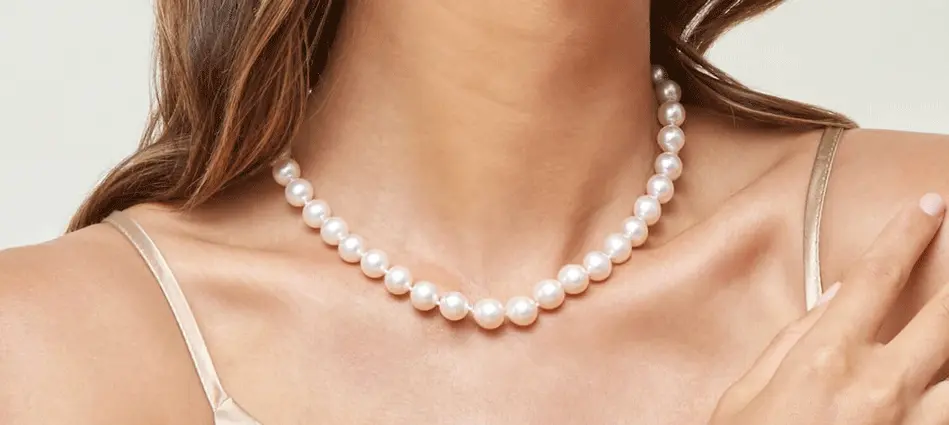
As the June birthstone, the pearl necklace is more than just an ornament, but embraces various symbolic meanings. The pearl necklace's meaning can be made up of cultural and personal significance. Here are some common symbolic meanings of a pearl necklace.
Purity and Innocence
Pearls are often associated with purity and innocence. The pearl necklace, with its smooth and lustrous appearance, symbolizes purity of heart and mind. Giving a pearl necklace as a gift means that you are my inner purity and innocence.
Femininity and Beauty
Known as the "Queen of Gems", pearls are often associated with femininity and maternity, as well as being a symbol of beauty. When worn by a woman, a pearl necklace makes a woman more beautiful and elegant.
Wealth and Status
As we all know, pearls are a natural product of the pearl oyster, which takes a long time to form a pearl. Therefore, pearls were rare and expensive in ancient times and often associated with wealth and status. For some celebrities, wearing a pearl necklace can be a sign of wealth and social status.
Emotional and Spiritual Symbolism
Pearls can also be associated with emotional and spiritual qualities. It is believed that pearls can help promote inner peace and enhance emotional well-being. Each pearl in a pearl necklace has endured a long time and a harsh environmental test. It is therefore a symbol of perseverance and indomitable spirit. Wearing a pearl necklace can be an inspiration to face life's difficulties and challenges bravely and never give up.
Chapter 3: Historical Background and Cultural Significance
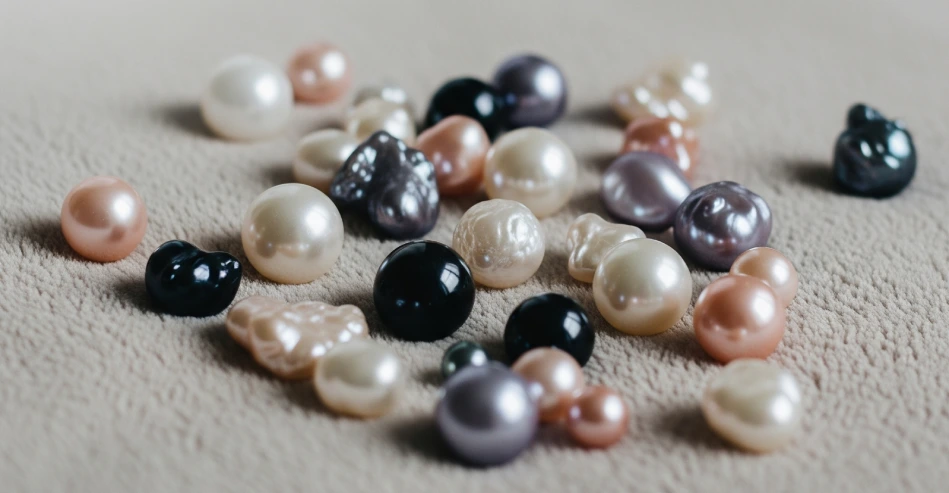
The pearl necklace has not merely adorned necks; it has woven itself into the fabric of human history and diverse cultures, reflecting evolving beliefs, power structures, and aesthetic sensibilities worldwide.
A. Ancient Origins
Across ancient civilizations - Greek, Roman, Chinese, and beyond - pearl necklaces held deep symbolic significance. In Greek mythology, for example, pearls were considered the tears of the gods or the moon, representing divine beauty and eternal love. In Roman times, aristocrats prized pearls as symbols of status and distinction. In China, they were revered for their connection to the moon, embodying purity and fertility. These historical anecdotes highlight the cultural and ceremonial importance of pearls throughout the ages.
B. Rituals and Ceremonies
Pearl necklaces have played an integral role in rituals and ceremonies in numerous cultures, from traditional weddings to rites of passage. In many Eastern traditions, pearls are considered sacred. They are believed to provide protection, promote prosperity, and symbolize refined femininity. Intricate mythology and artful craftsmanship often characterize the traditions surrounding pearl necklaces, making these pieces both fashion statements and cultural heirlooms, according to historians.
Chapter 4: Pearl Symbols in 5 Faiths
Table: Pearl Symbolism Across Religions
| Religion | Sacred Meaning | Key Reference |
| Christianity | Kingdom of Heaven | Matthew 13:45 "Pearl of Great Price" |
| Hinduism | Wealth of Lakshmi | Vishnu Purana’s "Ocean of Milk" |
| Buddhism | Enlightenment | Lotus Sutra’s "Pearl in the Mud" |
| Islam | Paradise’s Perfection | Quran 55:22 "Corals and Pearls" |
| Taoism | Immortality | Tao Te Ching’s "Elixir Pearls" |
Chapter 5: Pearl Colors & Meanings
Are all real pearls white? No, they can be many different colors. They can be white, cream, pink, lavender, black, gray, gold, or blue. Match pearls to the meaning you want.
| Color | Meaning | Best For |
| White Akoya | Purity, New Beginnings | Weddings, Christenings |
| Black Tahitian | Independence, Mystery | Career Milestones |
| Golden South Sea | Wealth, Optimism | Investors, Entrepreneurs |
| Lavender Freshwater | Intuition, Healing | Therapists, Artists |
Chapter 6: What Are the Benefits of Wearing A Pearl Necklace

Elegance and Sophistication
Pearls have long been associated with elegance and beauty. A pearl necklace is often seen as a symbol of refined taste and style. It is a classic piece of jewelry that can be the finishing touch to an outfit and a sign of sophistication.
Release Negative Emotions
The soft luster of pearls can give people a sense of calm and relaxation, which can help reduce stress and anxiety. Wearing pearls can help women relax and feel more relaxed and happy when they are feeling irritable or anxious.
Maintain Physical Health
Pearls are rich in minerals and trace elements. When absorbed by the human body, these substances can help regulate the endocrine system.
The Confidence Effect
Journal of Fashion Psychology (2022): Participants who wore pearls during mock interviews showed 17% lower cortisol levels and made stronger eye contact.
Chapter 7: Choosing the Right Pearl Necklace
At Juyoyo, we believe that understanding your pearls enhances their beauty and longevity. Apart from quality, luster, and versatility, what else should you consider when choosing a pearl necklace? Read on to learn how to choose the right pearl necklace!
A. Types of Pearls and Their Characteristics
Choosing a pearl necklace often begins with understanding the different types of pearls available.
- Akoya pearls: These classic, perfectly round pearls are known for their brilliant luster and often come from Japan.
- Freshwater pearls: They are widely available, diverse in shape and color, and offer excellent value.
- South sea pearls: The largest and most valuable pearls, known for their satiny luster and rich colors (white, silver, golden), primarily from Australia, Indonesia, and the Philippines.
- Tahitian pearls: These naturally dark pearls from French Polynesia are prized for their exotic "peacock" overtones.
B. Necklace Styles and Lengths
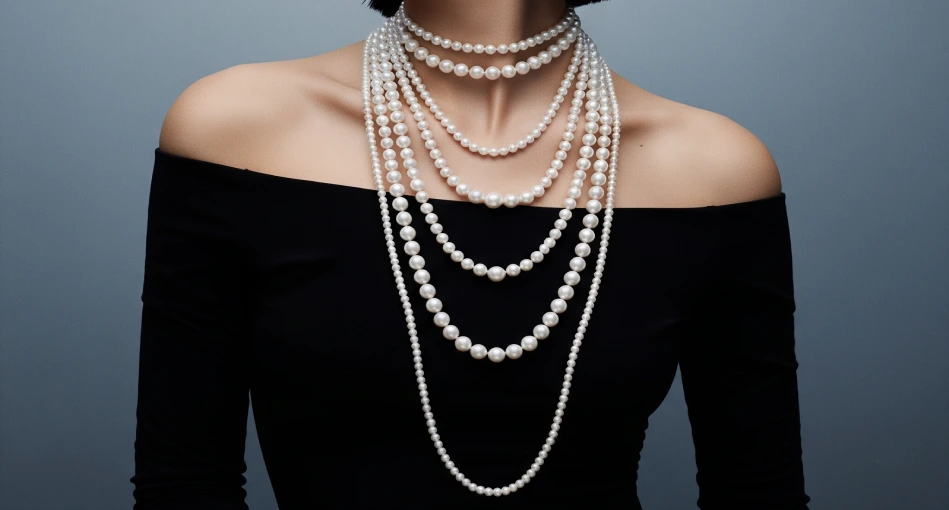
The length and style of your pearl necklace can dramatically change its appearance and how suitable it is for different occasions.
- Choker (14-16 inches): Sits high on the neck and is ideal for formal wear.
- Princess (17-19 inches): A versatile length that rests on the collarbone and is suitable for most necklines.
- Matinee (20-24 inches): Extends to the bust and is perfect for business or casual wear.
- Opera (28-36 inches): Sits below the bust. Elegant for formal occasions. Can be doubled.
- Rope (45+ inches): Very long and can be worn in multiple ways, including knotted or layered.
C. What to Consider When Buying a Pearl Necklace
When investing in a pearl necklace, consider the "Seven Valuing Factors":
- Luster: The most important factor. The sharper the reflection, the higher the luster.
- Surface quality: The fewer blemishes, the more valuable the pearl.
- Shape: Perfectly round pearls are the rarest and most valuable, though baroque pearls, which are irregularly shaped, are also popular.
- Size: Generally, larger pearls are more valuable.
- Nacre thickness: Crucial for durability and luster.
- Matching: For strands, consider how well the pearls match in color, size, shape, and luster.
- Color: While white is classic, pearls come in a variety of natural colors, such as pink, silver, gold, and black.
You may also be interested in reading about How to Tell if Pearls Are Real.
Chapter 8: Guide to Caring for Your Pearl Jewelry
Maintaining the luster and beauty of your pearl jewelry is essential to preserving its timeless allure. Here are some expert care tips:
- "Last on, first off": Put on your pearl necklace after applying makeup, perfume, and hairspray. Remove it first when getting undressed.
- Cleaning and maintenance: Gently wipe your pearl necklace with a soft, damp cloth after each use. Avoid harsh chemicals that may damage the delicate surface.
- Storage tips: Store your pearls separately in a soft pouch or box to prevent scratches and maintain their natural luster.
- Periodic professional check-ups: Have your jewelry inspected by a professional occasionally to ensure the integrity of the piece over time.
Conclusion
Believe that you have a clear understanding of the pearl necklace's meaning. If you are born in June, the June birthstone pearl is perfect for you as it is the bearer of people's wishes for a variety of good fortune and is a pure and elegant birth guardian stone. If you are looking for a piece of pearl jewelry, Juyoyo is the right place to be!
FAQS about Pearl Necklace
What Does Giving a Girl a Pearl Necklace Symbolize?
Giving a girl a pearl necklace symbolizes that she is precious in your heart and that you will always cherish her and be there for her.
What Does it Mean When a Guy Wants to Give You a Pearl Necklace?
It means that you are precious, pure, and noble to him. He is expressing his enthusiastic love and commitment to you.
Can Men Wear Pearl Necklaces?
Men can wear pearl necklaces. Fashion is becoming increasingly gender-neutral, and pearls are no exception.
What Age Group Can Wear a Pearl Necklace?
Pearl necklaces are perfect for people of all ages. Wearing pearl necklaces can make a person look softer, more elegant, and more beautiful.
Can I Wear a Pearl Necklace Every Day?
Yes, but remember that pearls are delicate. It's important to follow the "last on, first off" rule and clean them after each use.
What Does It Mean to Give a Pearl Necklace as a Gift?
It's a profound gesture that symbolizes purity, wisdom, prosperity, and enduring love. Pearl necklaces are often chosen to mark significant milestones, such as anniversaries or graduations. They are also given as bridal gifts, signifying a wish for a lasting bond, good fortune, and appreciation for the recipient's inner beauty and grace.
What Does a Pearl Necklace Mean in Love?
In romantic contexts, it often represents a deep emotional connection, sincerity, and enduring affection. As Coco Chanel famously said, "A woman needs ropes and ropes of pearls... to tie her lover to her."
What Does "Pearl" Mean in Slang?
Context is key! In a positive context, it can mean "treasured person" in Japanese. In some English dialects, "pearl-clutching" describes exaggerated shock over trivial things. However, we should focus more on the beautiful traditional and cultural symbolism of pearl necklaces as precious gemstones and elegant accessories.
What Does the Phrase "Pearl Necklace" Mean?
While it traditionally refers to a classic strand of pearls worn around the neck, be aware that it can also have an adult slang meaning, depending on the context. Therefore, audience and intent matter.
Comment