
What Hand Does a Wedding Ring Go On? A Cultural Guide to Ring Traditions
Aug 12,2025 | Juyoyo
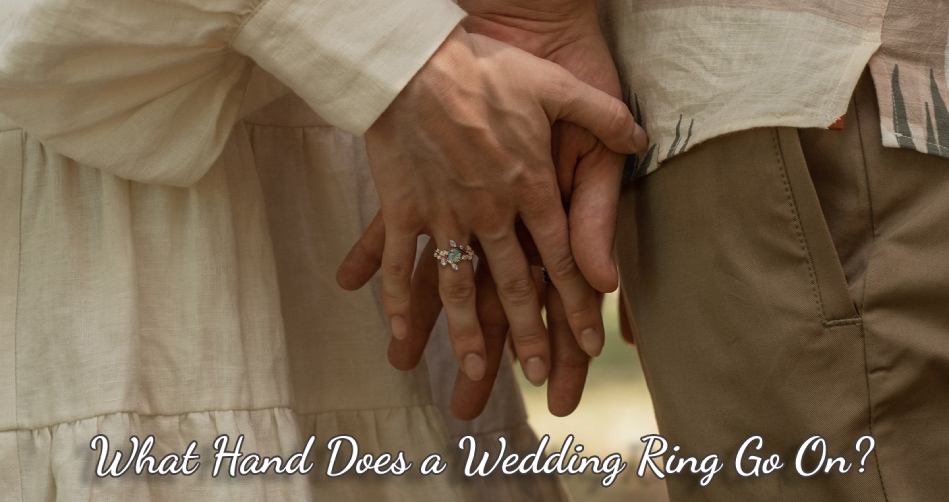
It’s a question as timeless as the tradition itself: you have the perfect ring, a symbol of your love and commitment, but what hand does a wedding ring go on?
If you’re looking for a quick answer, in many Western countries, people wear their engagement ring and wedding band on their left ring finger. In parts of Europe and Latin America, however, the wedding ring traditionally goes on the right hand. During some Jewish ceremonies, the ring is placed on the right index finger during the vows and then moved to another finger afterward.
Here at Juyoyo, we believe that a ring is more than just an accessory; it’s a story you wear on your finger. To help you tell your story perfectly, we’ve created the definitive guide to the wedding ring finger and the meaning of wearing a ring on any finger. Whether you're honoring ancient traditions or creating your own, this is your one-stop resource for all things related to your celebration.
💍 Key Takeaways:
- Western traditions favor the left hand's fourth finger, which traces back to ancient Roman "vena amoris" beliefs.
- Eastern European and Orthodox Christian cultures often wear wedding rings on the right hand.
- Modern trends increasingly favor personal choice over tradition. Nowadays, many couples choose to wear rings on whichever hand or finger feels most meaningful or comfortable.
What Hand Does a Wedding Ring Go On?
In many Western cultures, the answer is simple and romantic: the wedding ring is worn on the fourth finger of the left hand. This tradition remains prevalent in countries such as the United States, the United Kingdom, Canada, Australia, France, Italy, and Mexico.
This tradition dates back to the Romans and their belief in the vena amoris, a Latin phrase meaning "vein of love." They believed this special vein ran directly from the fourth finger on the left hand to the heart. By placing a ring on this finger, they created a direct, unbroken connection to their beloved’s heart.
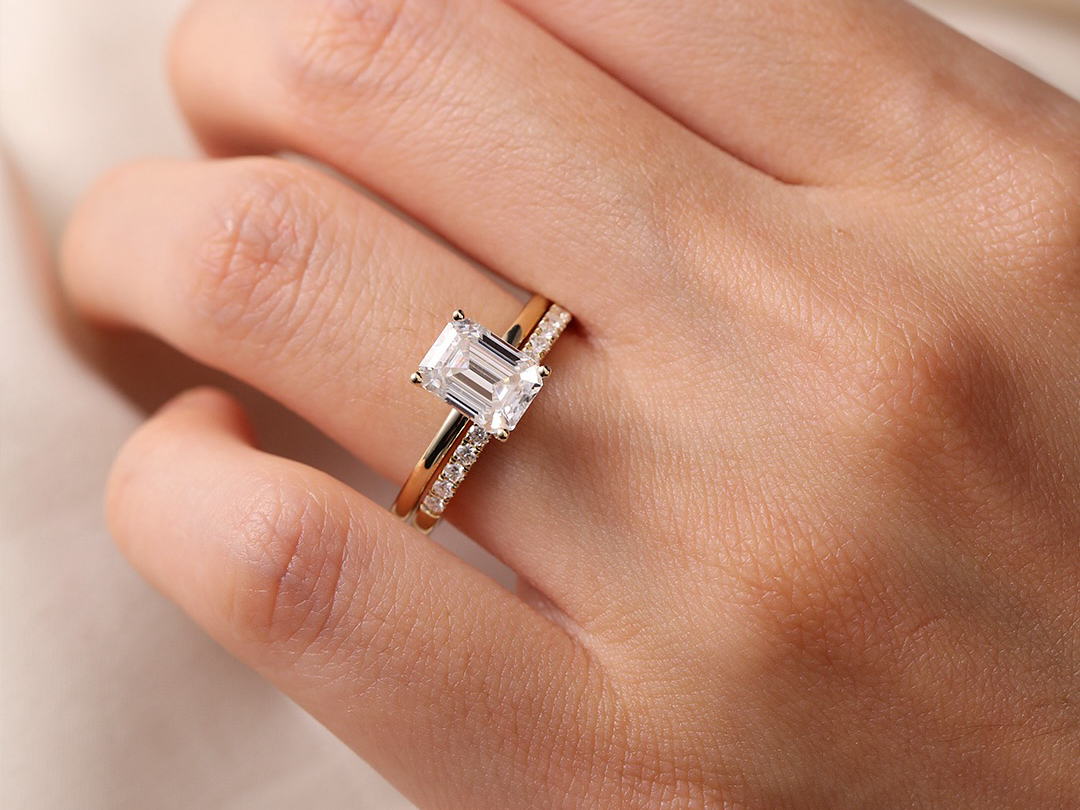
In these cultures, the engagement ring is typically placed on this finger first. On the wedding day, it is often moved to the right hand to make way for the wedding band. Then, the engagement ring is placed back on top of the wedding band, creating a stunning stack that signifies the progression from engagement to marriage.
Did you know? England’s 1549 Book of Common Prayer officially mandated left-hand ring placement, solidifying the tradition.
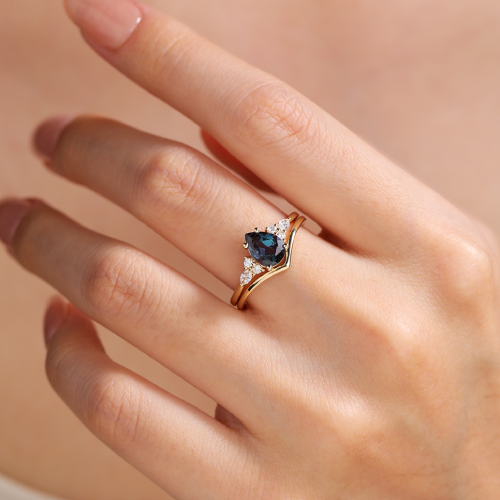
Wedding Ring Finger Traditions Around the World
This is where the story gets interesting. The tradition of wearing a wedding ring on the left hand is far from universal. Many cultures around the world prefer the right hand, each with its unique reasons and customs. This diversity is a testament to the universal power of love, expressed in beautifully different ways.
The Right Hand Ring Finger: Europe and Beyond
In many Central and Eastern European countries, the right hand is the preferred hand for wedding bands. This is often because the right hand is considered the hand of honor, strength, and public oaths. Countries where the right-hand tradition is common include:
- Germany & Austria: Couples often wear a promise or engagement ring on the left hand and move it to the right hand after the wedding ceremony.
- Russia, Poland, & Bulgaria: Orthodox Christians in this region predominantly use the right hand for wedding rings.
- Norway & Denmark: The right hand is standard for both engagement and wedding rings.
- India: While traditions vary greatly by region and religion, many Indian couples wear their wedding rings on their right hands because the left hand is sometimes considered unclean in certain contexts.
- Spain & Greece: The right hand is also a popular choice in these countries.
Cultural & Religious Nuances
- Jewish Tradition: During the wedding ceremony, the groom places the ring on the bride's right index finger. The index finger is considered the most prominent and visible, which makes the vow public and clear. After the ceremony, many women move the ring to the fourth finger of the left hand, the traditional spot for a wedding ring.
- Islamic Tradition: While practices vary, men in many Islamic cultures often refrain from wearing gold rings. When wedding bands are exchanged, the groom often wears a ring made of a different metal, such as platinum or silver. The hand can vary; some prefer the right hand because it is used for good deeds.
- A Modern Note for All Couples: For same-sex couples, the choice is entirely personal. Some choose to follow their cultural tradition, while others decide to wear their rings on different hands. It’s a beautiful opportunity to create a new tradition that is uniquely yours.
At Juyoyo, we celebrate every love story. Browse our Wedding Band collection to find the perfect symbol of your unique bond, no matter which hand you choose.
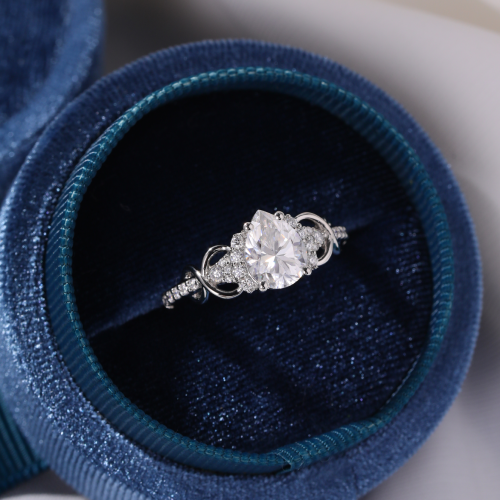
The Meaning of Wearing Rings on Each Finger
Each finger carries its own energy and meaning, forming a silent language that has been understood throughout time. Understanding this can empower you to wear all your jewelry intentionally and stylishly.
The Thumb: Willpower and Wealth
A ring on the thumb makes a bold statement. Historically, thumb rings were larger and more expensive to make, so they were associated with wealth and influence. Today, wearing a ring on your thumb signifies willpower, confidence, and individuality. It's a powerful choice, set apart from rings on other fingers.
The Index Finger: Power and Authority
Think of kings and priests throughout history who often wore rings on their index fingers to signify authority, leadership, and ambition. In a modern context, this finger is a great place for a bold statement piece or a family crest. It says, "I'm here, and I have a vision."
The Middle Finger: Balance and Identity
The middle finger, situated in the center of the hand, symbolizes balance, stability, and personal identity. Since it is the longest finger, a ring worn here is highly noticeable. Wearing a ring on the middle finger is a confident choice that doesn't carry the specific cultural weight of the ring finger. This makes it perfect for fashion rings or personal talismans.
The Ring Finger: Love and Creativity
We know this finger as the symbol of love, but it’s also associated with creativity and beauty. Beyond wedding and engagement rings, it’s a wonderful place for promise rings, eternity bands, and any ring that holds deep personal significance.
The Pinky Finger: Communication and Intellect
The smallest finger can have a big impact. Historically, signet rings were worn on the pinky finger to sign and seal documents, which associated them with intelligence, communication, and intuition. A pinky ring is a subtle yet stylish choice that shows attention to detail and flair.
Ready to tell your story beyond the ring finger? Explore our Fashion & Statement Rings to express your unique style.
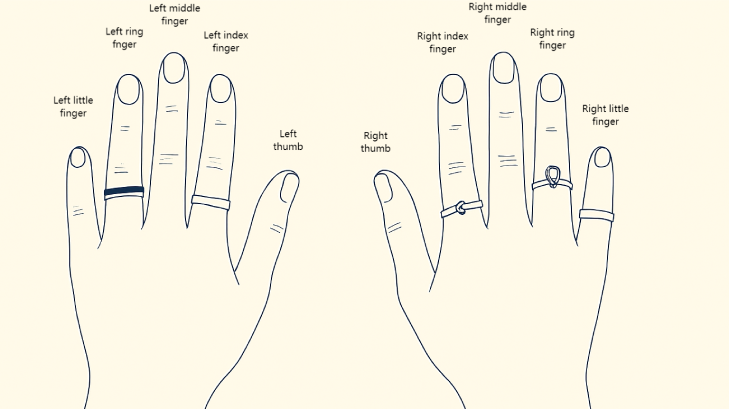
The History and Myth of the Ring Finger
You may have heard the romantic "vena amoris" story - the idea that a special vein runs directly from the fourth finger to the heart. It’s a beautiful myth with deep roots in classical lore. However, anatomically, all fingers have venous pathways, and there isn't a single "love vein." This myth has influenced customs in Europe, particularly as Roman and later Christian practices spread.
Over the centuries, faith traditions, local laws, and cultural exchanges have shifted the tradition of wearing rings from one hand to the other. Orthodox Christian communities favored the right hand, while maritime and trade routes spread both styles between regions. Modern media has further blended these styles. Today, couples keep what resonates and let go of what doesn’t. That’s the living nature of tradition - it evolves with you.
How to Choose Your Ring Hand
Step 1: Honor Your Heritage
For many, tradition plays a significant role.
If you come from a Western background, the left hand's fourth finger may feel most natural to you, as it is tied to centuries of romantic symbolism.
If your family roots are in Eastern Europe or Orthodox Christian traditions, the right hand may be more meaningful.
Some cultures, such as those in India, incorporate toe rings or specific hand-switching customs during ceremonies.
Exploring your ancestry can provide clarity or inspire a creative fusion, such as a ring that blends cultural motifs with contemporary design.
Step 2: Prioritizing Practicality
Daily life often dictates the most comfortable and functional choice. Those who work with their hands, whether in healthcare, construction, or music, might prefer wearing their ring on their non-dominant hand to minimize damage or interference.
Step 3: Embracing Symbolism
Beyond tradition and practicality, where you wear your ring can reflect your personal values. The left hand is a classic choice for those seeking timeless romance, while the right hand may signify individuality or cultural pride.
Some choose alternative fingers as their symbol: a thumb ring for independence, an index finger for authority. Others even stack multiple bands to represent different life chapters.
The beauty lies in making the tradition your own through metal choices, engraved messages, or unconventional placement.
Conclusion: What Hand Does the Wedding Ring Go On?
The "right" hand for your wedding ring depends on your culture, comfort level, and personal preference. At Juyoyo, we celebrate stories, not just sell rings. We provide the timeless traditions and modern freedom to choose what best represents your journey.
If you’re ready to start yours, explore Juyoyo’s wedding bands and consult with an advisor about placement, fit, and stacking options that work for your lifestyle. Clarity is first, and then you'll love the ring so much you'll want to wear it every day.
Wedding Ring Hand FAQs
Which Hand Does a Wedding Ring Go On?
Left hand in many Western countries; right hand in Germany, Russia, Spain, Greece, and others. Follow your culture, faith, and comfort.
Which Finger Is the Ring Finger?
The fourth finger from the thumb. Most people wear wedding bands on this finger, but in some Jewish ceremonies, the vows are made on the right index finger.
What If I’m Left-Handed?
For comfort and safety, consider wearing your band on the right - or choose low-profile designs if you keep it on your left hand.
How Should I Wear My Engagement Ring with My Wedding Band?
Most people wear the wedding band closest to the hand with the engagement ring above it. Reverse or split the hands if that’s more comfortable.
Can Men Wear Engagement Rings?
Absolutely. Many men do, wearing it on the left hand in Western countries and on the right hand where that’s traditional.
Which Hand is for Marriage and Engagement Rings?
In most Western countries, engagement and wedding rings are worn on the left hand, specifically the ring finger.
Also Read
What Finger Does a Promise Ring Go On? Uncover the Secret
The Meaning of Wearing Rings on Different Fingers
Male Wedding Rings: Which Finger to Wear a Wedding Ring for Men?
Engagement Ring vs. Wedding Ring: Which Ring Goes on First?
Which Finger Is Right For Your Moss Agate Ring?
Comment