
The Complete History of Opal Jewelry: From Ancient Amulets to Your Modern Heirloom
Nov 27,2025 | Juyoyo
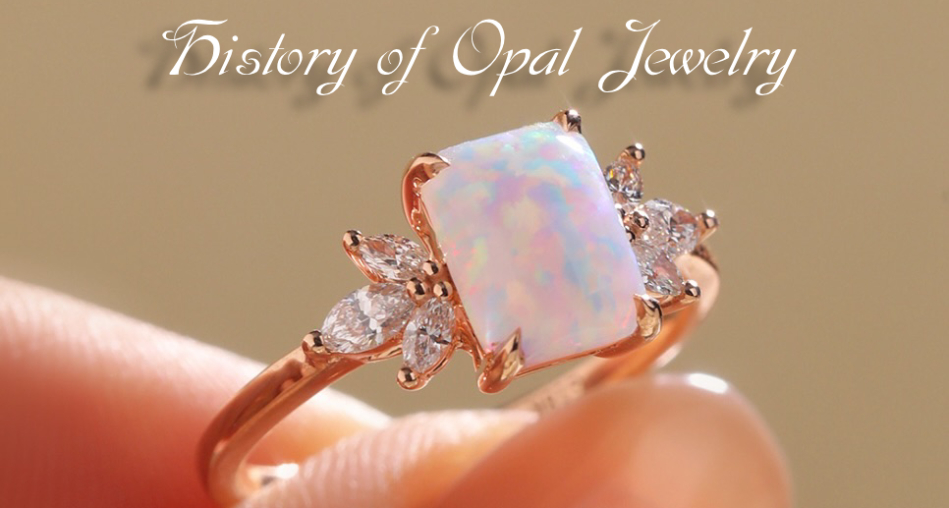
What if your next piece of jewelry could tell a story thousands of years old? The opal on your finger or around your neck isn't just a gemstone—it's a piece of living history. Its journey from ancient kings' amulets to the centerpiece of modern opal rings is dramatic, filled with reverence and fear, as well as a spectacular comeback. This is the complete history of opal jewelry, and you can be a part of it.
Introduction: More Than a Gem—A Personal Adornment Through Time
At Juyoyo, we see opals not just as stones, but as characters in a timeless story of beauty and self-expression. Understanding opal jewelry history isn't just about knowing dates; it's about connecting with the legacy you become part of when you choose to wear it. It is essential to understand the historical significance of opal before selecting a piece. This gemstone has been revered for its protective properties since Roman times and has played a significant role in Victorian-era jewelry. Join u s as we explore how this gem overcame superstition to become one of the most sought-after stones in modern jewelry design.
Part 1: The Dawn of Adornment — Opal in Ancient and Royal Jewelry
Overview: The earliest use of opals in jewelry dates back to the Roman Empire. There, opals were highly valued for use in signet rings and as protective amulets. They were believed to grant powers of foresight and symbolize hope and purity.
Long before they were set in modern gold or platinum, opals were chosen for their unmatched celestial beauty. Its shimmering play of color made the gem unique among all known treasures.
The First Opal Rings and Talismans: The Power of Foresight
The ancient Romans didn't just admire opals; they were obsessed with them. They were among the first to set opals into intricate signet rings and protective amulets, believing the stone carried divine foresight and enhanced perception. The Romans associated opals with powerful hope and purity, making these early forms of opal jewelry deeply personal and treasured. These opal rings were often set in heavy gold, a historical precursor to the modern bezel setting. Pliny the Elder, a renowned Roman scholar, immortalized the gem by naming it Cupid Paederos—a gem as beautiful as love itself.
A Crown Jewel for Centuries: Symbols of Divine Favor
This reverence was not limited to Rome. For centuries, opals were reserved for the most powerful and elite. According to legend, Roman Emperor Mark Antony coveted a specific opal for Cleopatra because it was believed to grant the wearer invisibility and extreme fortune. This early instance of an opal in royal jewelry set a powerful precedent. For millennia, owning an opal was a clear indication of both status and divine favor, establishing it as one of the world's most desired treasures alongside diamonds and emeralds.
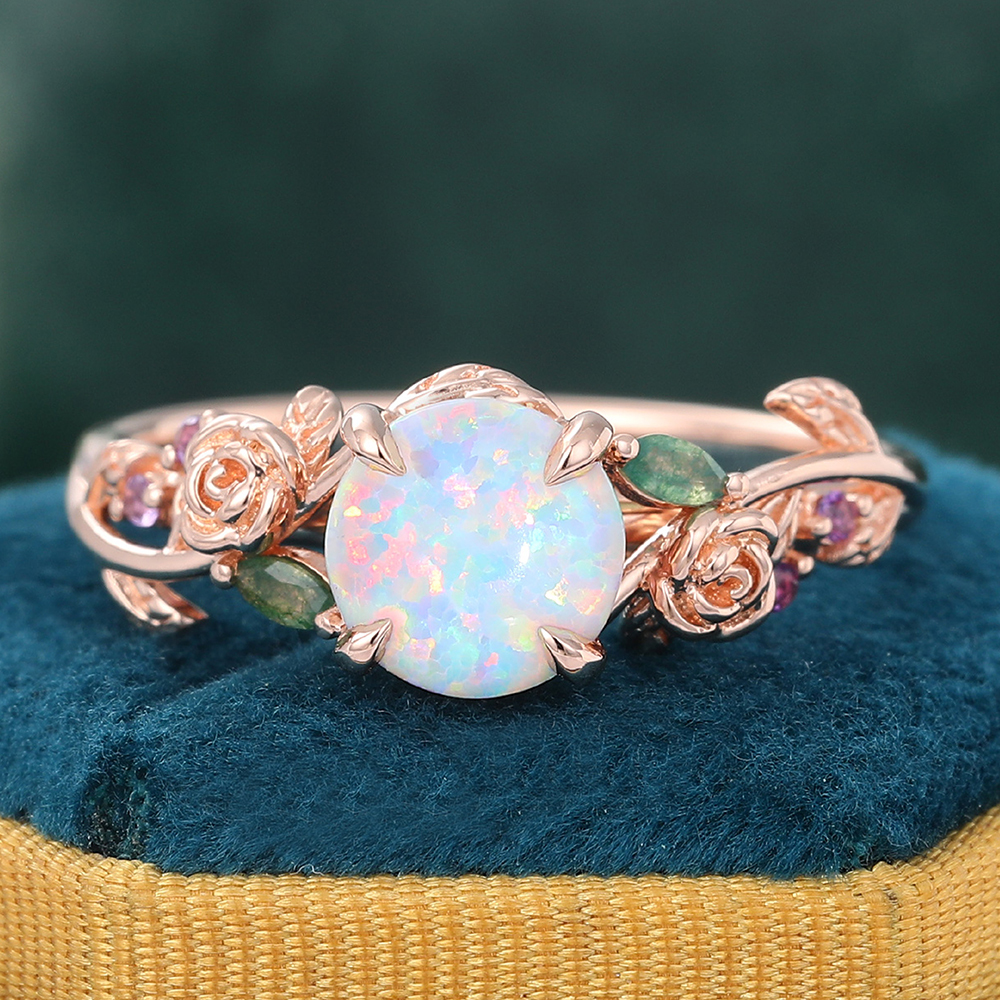 |
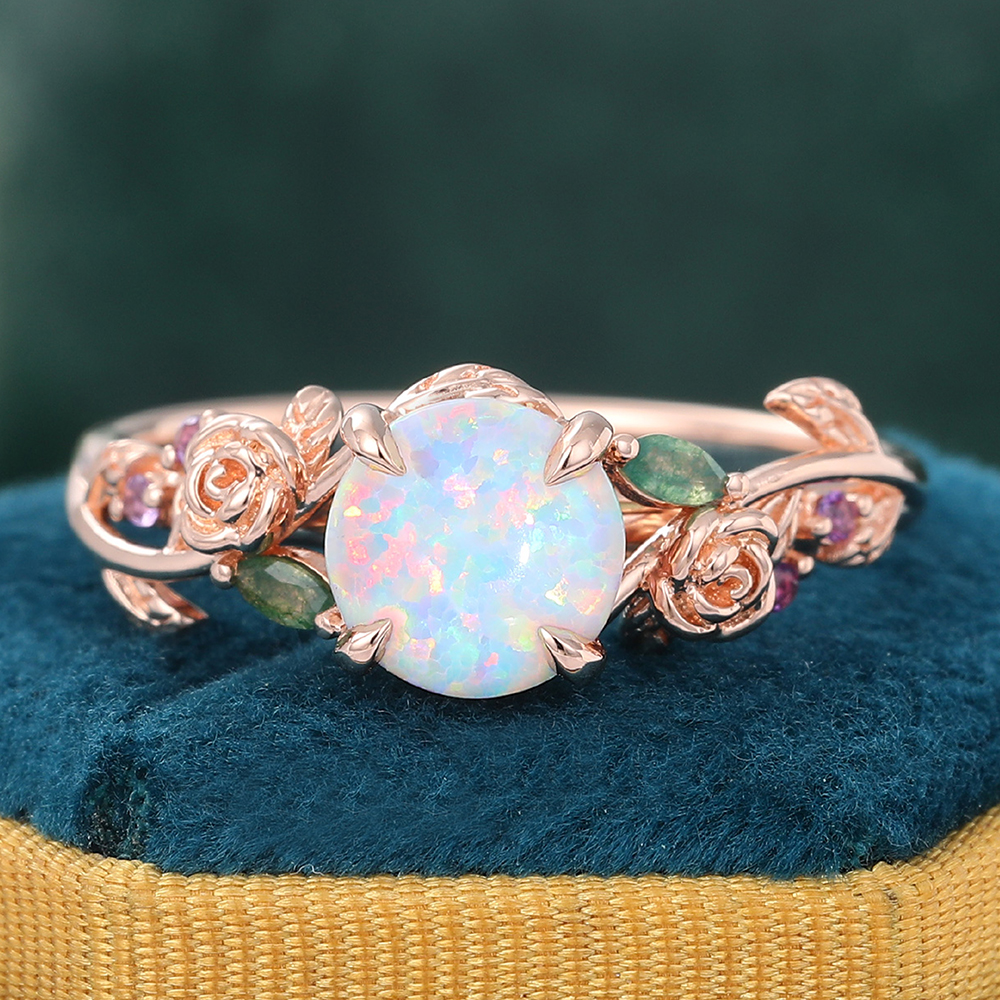
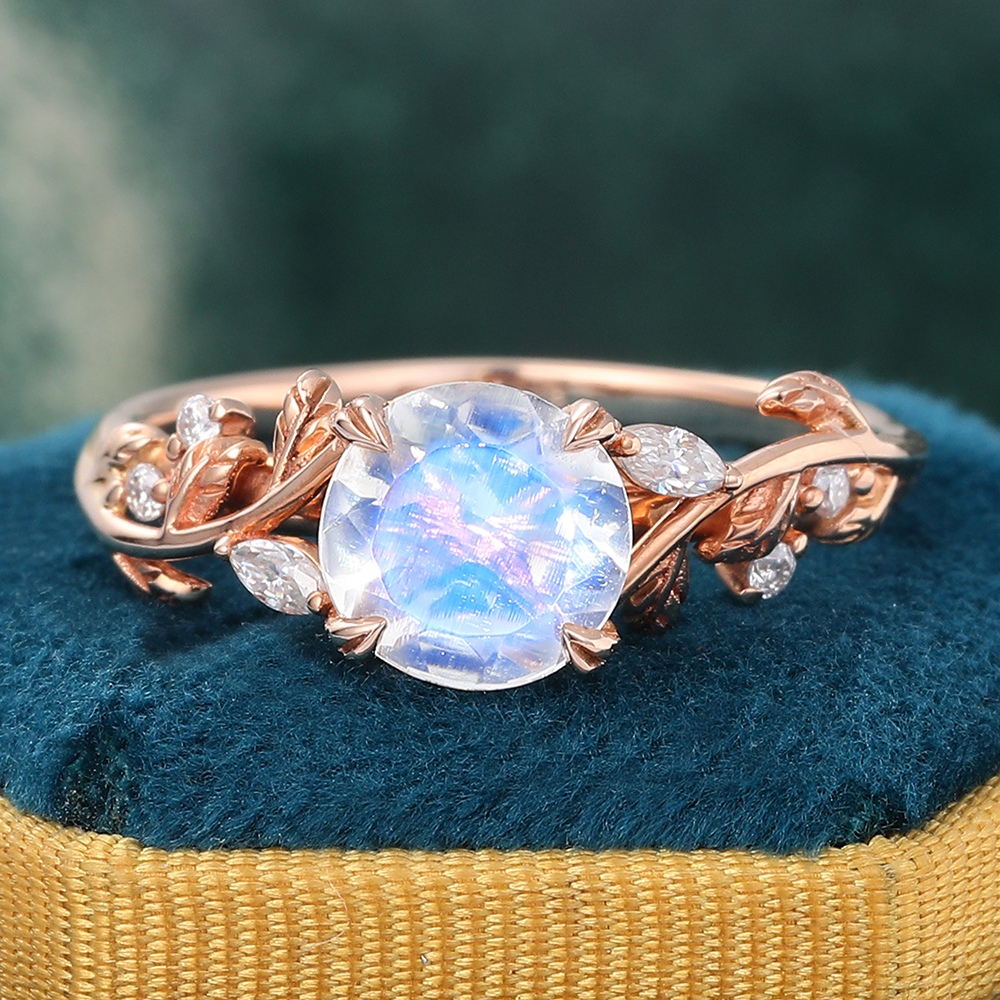
| 14K Rose Gold Round Opal Engagement Ring Rose Leaf Nature Inspired Wedding Ring |
Part 2: The Curse That Shook an Industry — Opal Jewelry's Darkest Hour
Overview: The widespread belief that opals bring bad luck originated primarily from Sir Walter Scott's 1829 novel Anne of Geierstein. In the novel, the loss of a character's opal is linked to her death. This caused the European opal market to crash dramatically.
The 19th century brought a chilling twist that threatened to erase opals from jewelry boxes forever. Despite its ancient reputation for hope, a single piece of fiction turned the gem into a symbol of fear.
The Novel That Doomed a Gem: Sir Walter Scott's Legacy
Vibrant opal jewelry faced an unprecedented crisis after Scott's novel was published. The main character wears an enchanted opal that loses its fire and brightness when splashed with holy water. This leads to the character’s demise shortly after. This fictional tragedy sparked a massive public panic. Almost overnight, people began asking, "Are opals bad luck?" Demand for new opal pieces plummeted across Europe, and the value of opals in circulation crashed by as much as 50%.
A Test of Craftsmanship: Defying the Opal Curse
This wasn't just literary gossip; it became a global economic event. Jewelry makers struggled to convince consumers that the gem was not cursed and suffered massive financial losses. Creating and selling opal jewelry required not only skill but also a profound defiance of popular superstition due to the stigma of the opal curse. The fact that any pieces were made at all during this difficult time is a testament to the gem's undeniable, captivating beauty. This challenging chapter in the history of opal jewelry serves as a fascinating example of how fleeting rumors can impact the perception and market of a profound natural treasure.
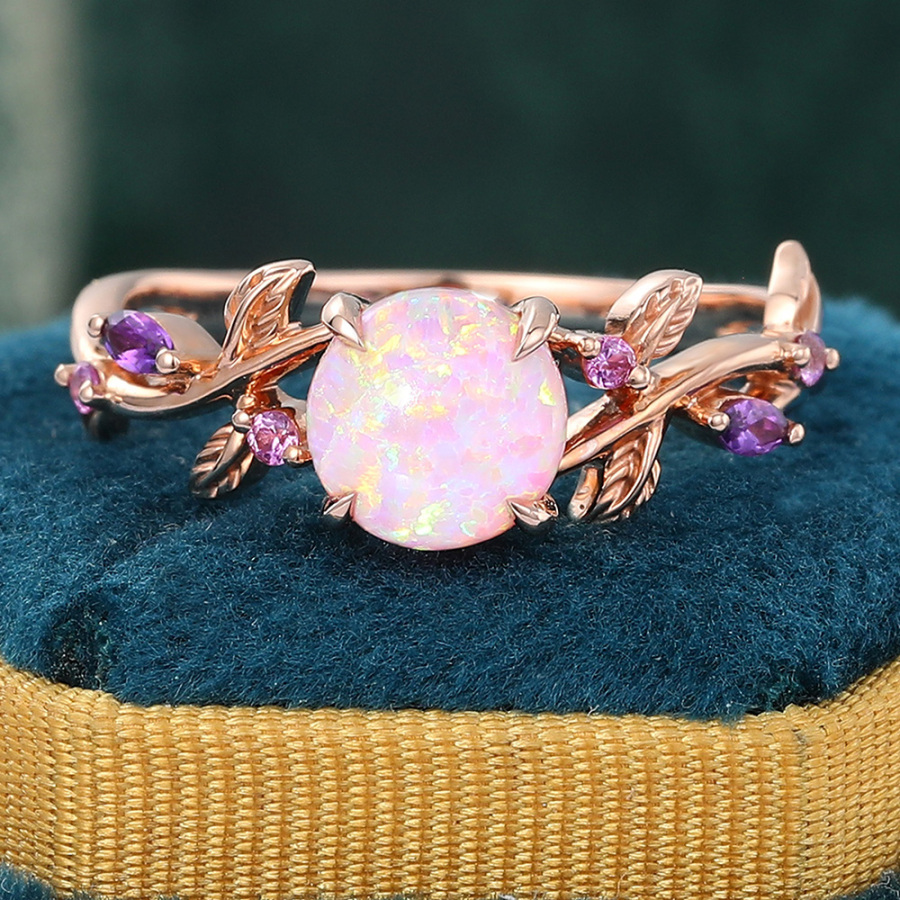 |
| Round Cut Pink Opal Women's Ring Nature Inspired Leaf Wedding Ring 14K Rose Gold |
Part 3: The Redemption and Revolution of Modern Opal Jewelry
Overview: The redemption of opal jewelry began with Queen Victoria's defiant taste, who openly wore and gifted opals, and was solidified by the Australian opal boom in the late 19th century, which introduced stable, high-quality black opals to the market.
The revival of opal jewelry came from two powerful forces working together: a queen and a vast continent with the finest material.
Queen Victoria's Defiant Taste: The Royal Endorsement
Queen Victoria, the central trendsetter of her time, refused to acknowledge the superstitions surrounding opals. She openly loved opals, kept a fine collection, and famously gifted opal jewelry to her daughters and friends. Her patronage and royal example single-handedly revived opals' place in jewelry, transforming them from market pariahs into highly desired items for the fashionable elite. Her trust in the stone gave consumers the confidence to ignore literary rumors.
The Australian Boom: A New Palette for Designers
The discovery of vast opal deposits in the Australian outback in the late 1800s completed the gem's renaissance. The uncovering of breathtaking Australian opals, especially the deep black opals from Lightning Ridge, gave jewelry designers a completely new palette. These dark, fiery stones from New South Wales, alongside the lighter, luminous crystal opals from Coober Pedy, inspired bolder and more artistic opal ring designs and statement necklaces than ever before. This new source of stable, high-quality material allowed designers to experiment with emerging styles like Art Nouveau and Art Deco, cementing the opal's permanent return to favor worldwide. If you are looking to choose a stone today, it helps to understand the market difference between [Ethiopian Opal vs Australian Opal: Which One Should You Buy?]
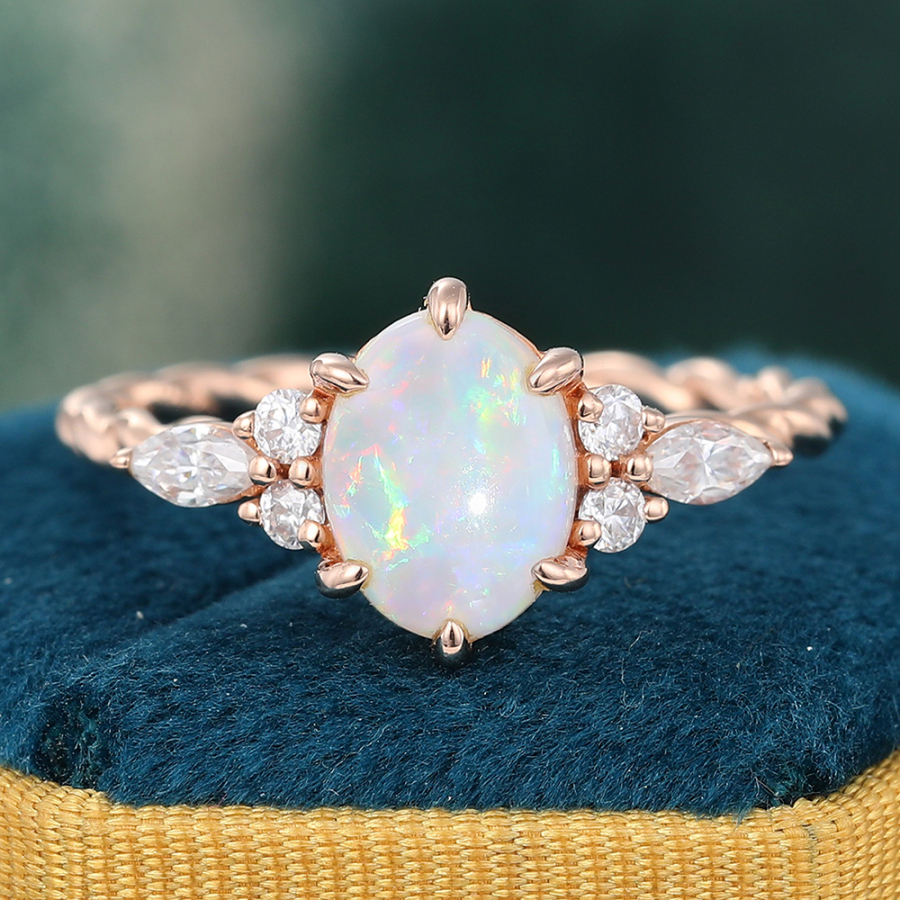 |
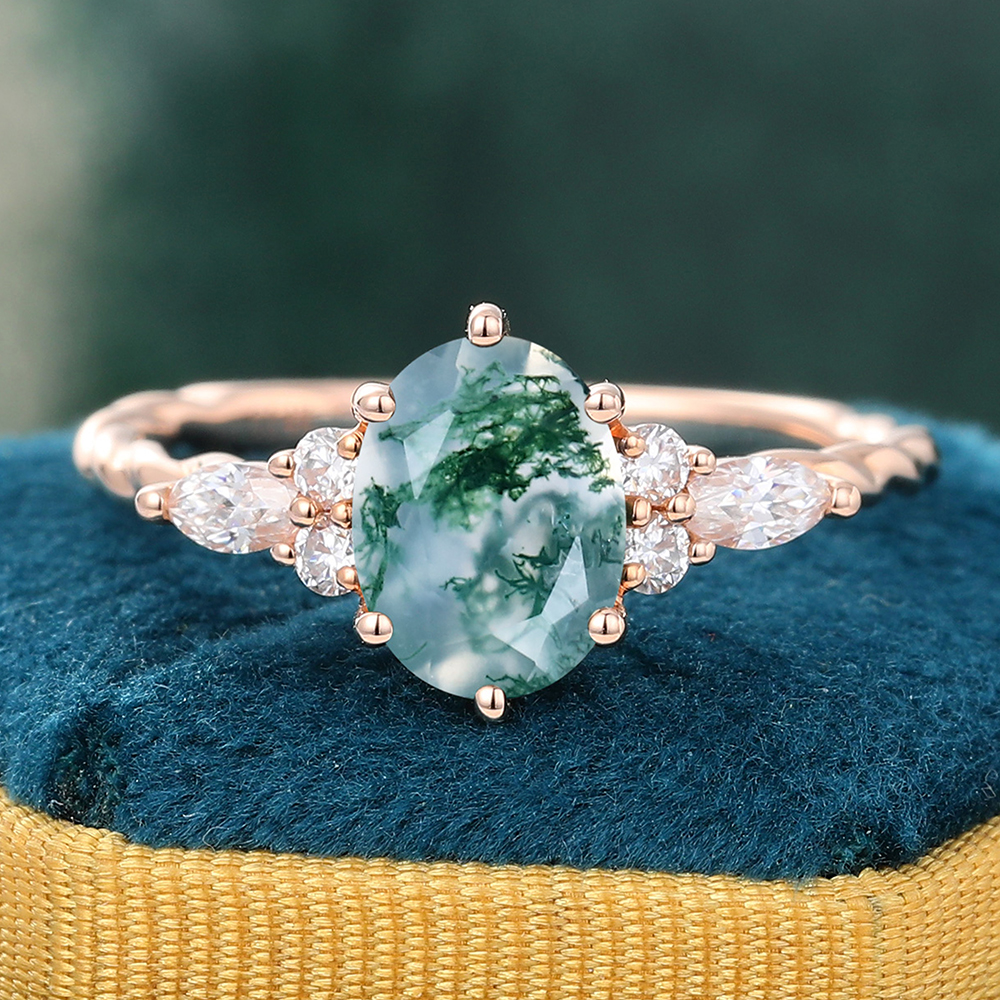
| Oval Cut Opal Rose Gold Twisted Engagement Ring |
Part 4: Opal Jewelry for the Modern You — Design, Meaning, and Care
Overview: Today, opal symbolizes creativity, inspiration, and individuality. Modern opal jewelry is designed to be worn, often using protective settings, such as bezels, to address historical concerns about its fragility, making opals an ideal choice for modern opal engagement rings.
Today, the question is no longer whether you should wear opal jewelry, but how.
Why Opal Is Perfect for Your Modern Jewelry Box
The old superstitions are gone. Today, opal symbolizes creativity, inspiration, and individuality. Its unique color play makes it the perfect antithesis of mass-produced fashion, as no two opals are exactly alike. This unique color play makes the opal a powerful statement of style. Furthermore, the spectrum of opal jewelry is wider than ever, featuring not just fiery Australian opals but also soft, feminine stones like romantic pink opal, which are increasingly popular for their romantic symbolism. Selecting an opal engagement ring or a custom opal pendant is a declaration of your personal, discerning style. Furthermore, the recent discovery of highly stable Ethiopian Welo opals has made beautiful, high-quality opals more accessible than ever before.
Juyoyo's Approach: Honoring History in Modern Design
At Juyoyo, we draw direct inspiration from this rich legacy. While we respect the stone's history by sourcing ethical, high-quality opals, our focus is on wearability. Our designs, especially our signature opal engagement rings, prioritize protective settings. These settings securely cradle the gem, honoring its need for protection while providing the durability required for a modern, active lifestyle. We believe in the modern opal jewelry ethos: it should be worn, loved, and lived in—not left in a box.
Learn more about our approach to durability by reading about the [7 Most Protective Opal Ring Settings for Daily Wear: Style Meets Safety].
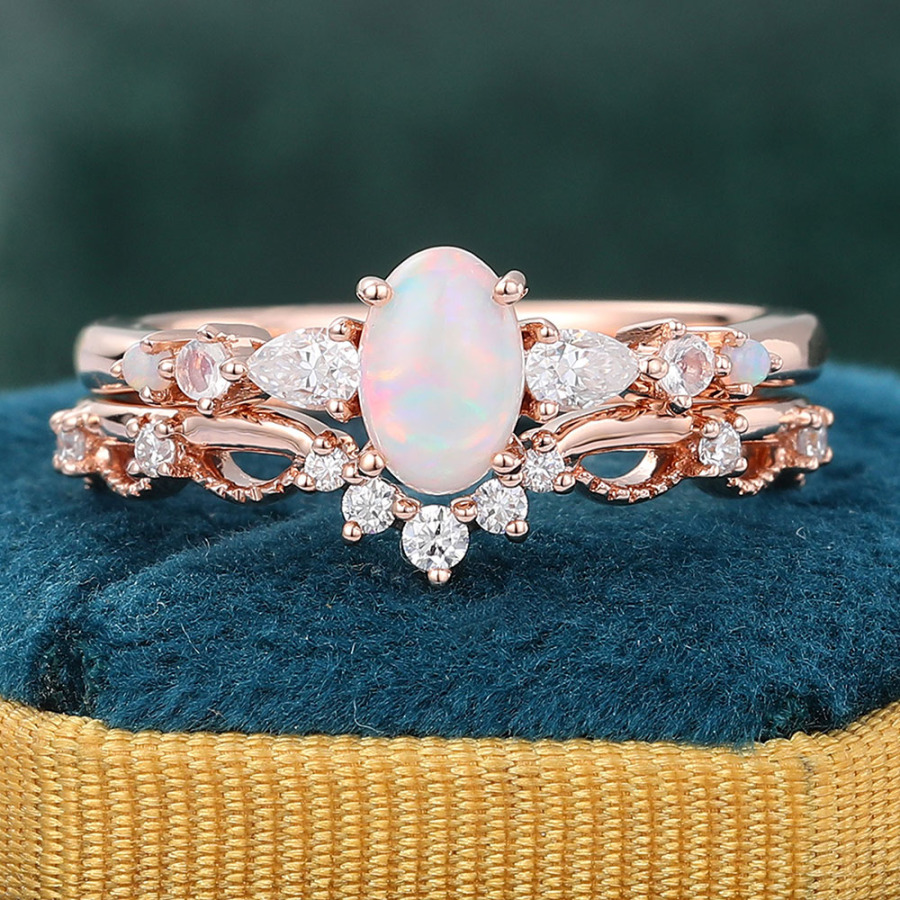
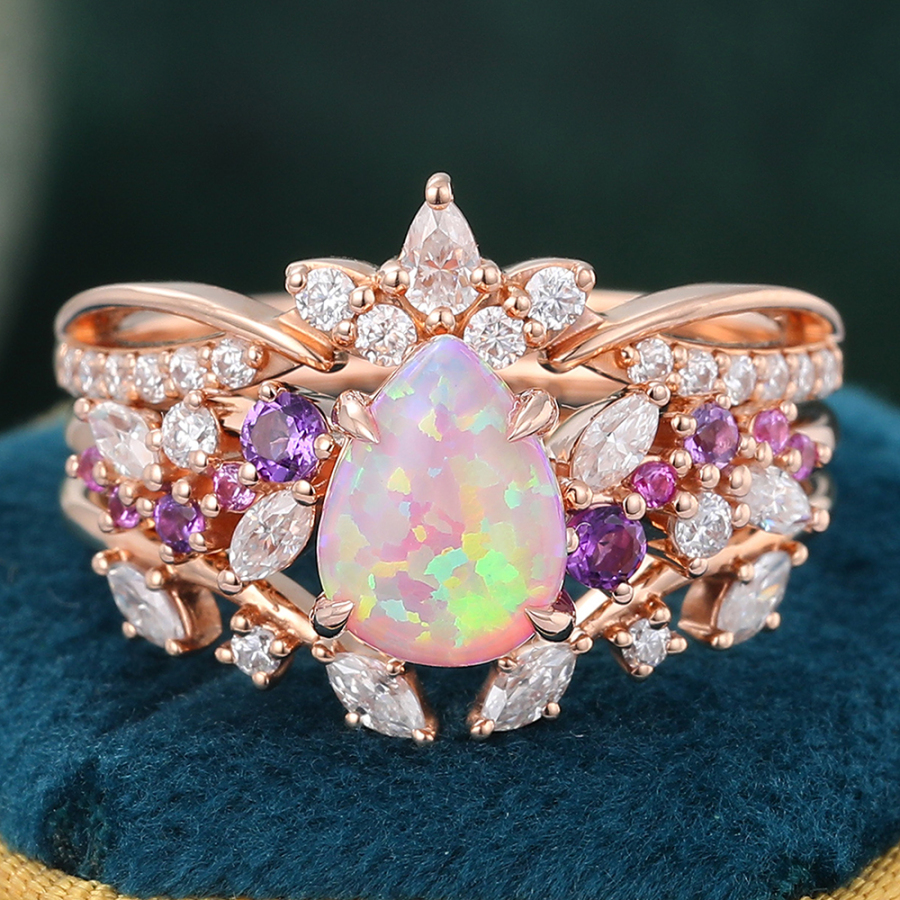
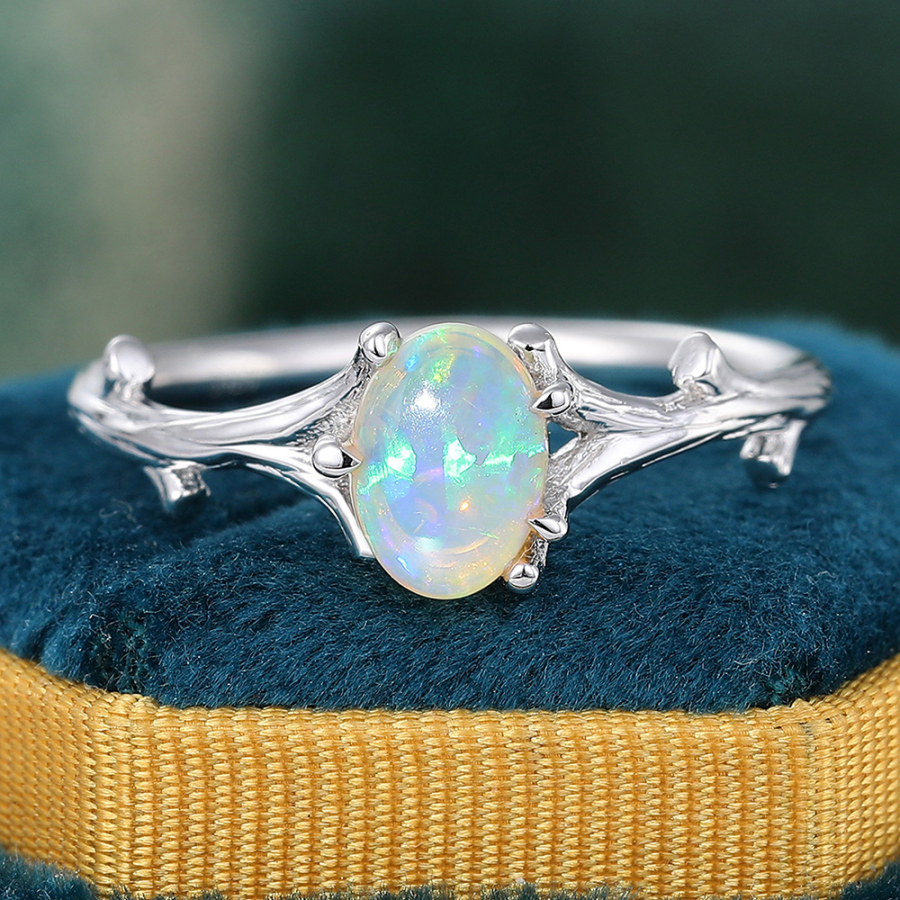
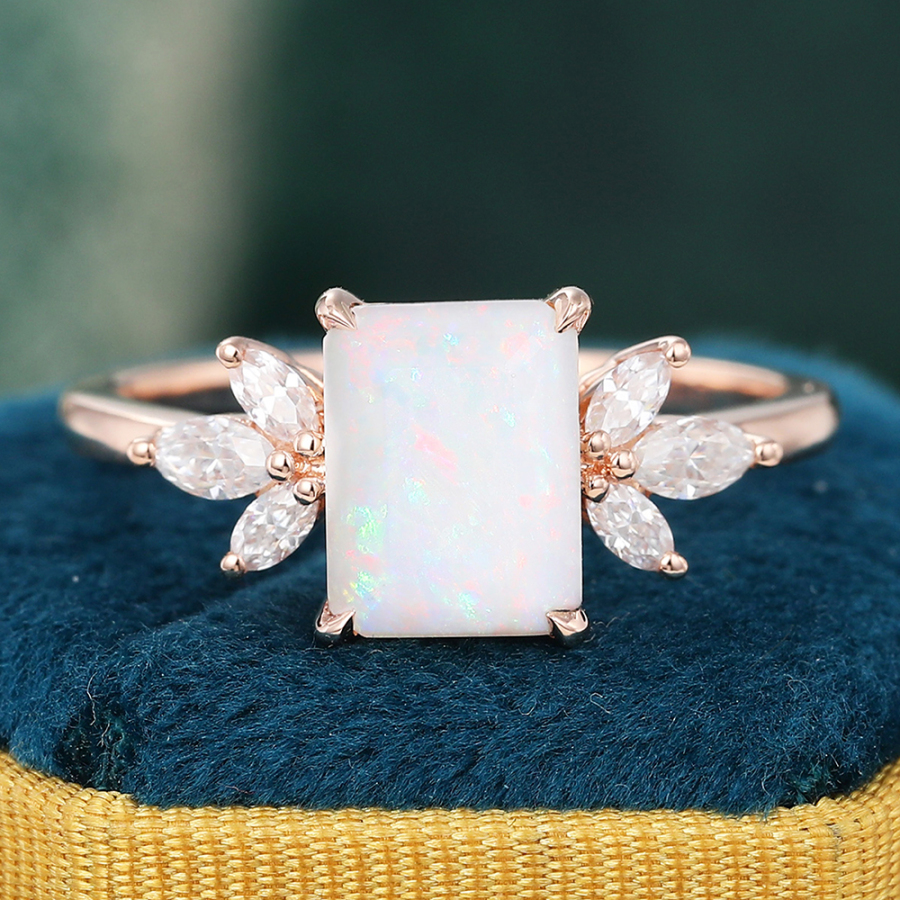
Caring for Your Heirloom: Ensuring Longevity
Like any great love, your opal jewelry requires proper care. Due to its natural water content, protect it from harsh chemicals and extreme temperature changes. While Juyoyo’s emphasis on protective settings is helpful, simple, mindful habits, such as removing your ring before rigorous activity, will ensure your piece remains a vibrant, cherished heirloom for years to come.
Conclusion: Your Place in Opal Jewelry's Ongoing Story
The history of opal jewelry is a journey from ancient talismans to Victorian fears and finally to its rightful place as a celebrated gem of self-expression. The "curse" was never in the stone but in a fleeting superstition that its true beauty overcame.
When you choose a Juyoyo opal, you're not just selecting a piece of jewelry. You're claiming your part in a story of resilience and beauty that began in ancient Rome. You are wearing a gem that has been through fire and emerged shining brighter than ever.
[Explore the Juyoyo Opal Collection Today] — where the history of opal jewelry becomes your modern heirloom.
Frequently Asked Questions About Opal Jewelry
Are Opals Suitable for Engagement Rings?
Yes, absolutely! Although they are softer than diamonds, opals are becoming increasingly popular for engagement rings due to their unique beauty. To protect the gem for daily wear, it is highly recommended to choose a protective setting, like a full bezel.
Which Country Produces the Best Opals?
The world's most valuable black opal is often considered to be the highest quality opal produced in Australia, particularly from Lightning Ridge. However, Ethiopia currently produces highly stable Welo opals known for their vibrant play of color, which are favored in modern opal jewelry designs.
Is it Okay to Clean My Opal Jewelry in an Ultrasonic Cleaner?
No, because opals have a natural water content, they should never be placed in ultrasonic or steam cleaners. To maintain its brilliance and integrity, clean your opal jewelry only with warm, mild soapy water and a soft cloth.
Comment